Mystics & Visionaries
Most saints are remembered for what they did. This category is remembered for what happened to them — a vision, a voice, a wound that would not heal on its own. Mystics & Visionaries gathers the saints whose defining trait is an encounter with the divine so direct it became the whole shape of their story.
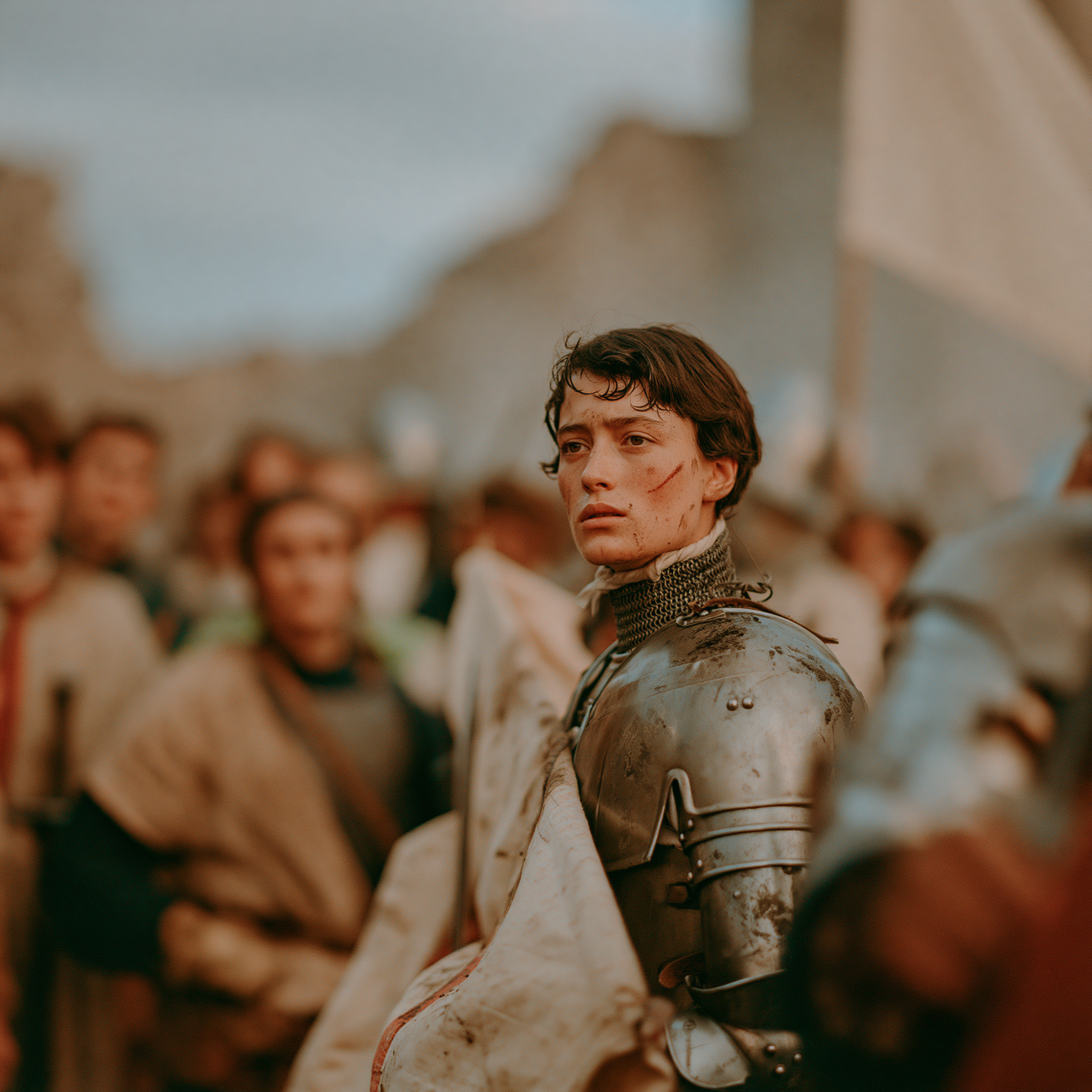
The Weight of Revelation
Mystics & Visionaries
This category sits seventh in the taxonomy's precedence order, behind Holy Family & Archangels, Apostles & Evangelists, Doctors of the Church, Martyrs, Founders of Religious Orders, and Missionary Bishops & Evangelizers. A visionary who was also martyred is filed under Martyrs; one who also founded an order is filed under Founders. What remains here are saints whose visions or mystical experiences are the primary reason they are remembered at all.
A peasant girl who heard three saints tell her to save France. A fourteen-year-old at a grotto who saw a lady no one else could see, eighteen times. A friar who carried the wounds of the crucifixion on his own body for fifty years. A young Polish nun who wrote down, in a private diary, conversations she believed she was having with Christ himself about mercy. None of them asked for what happened to them. Each one spent the rest of their life answering for it.
It is worth saying plainly what the Church itself says: private revelation, however remarkable, is never binding on the faithful as Scripture and doctrine are. A Catholic is never required to believe that Bernadette truly saw what she said she saw, even where the Church has formally approved an apparition for veneration. What the Church evaluates in every case is whether the message is consistent with the faith already revealed and whether the visionary's life bore the fruit of real holiness. That distinction — approved for veneration, not required for belief — is part of the story in every profile in this category.
Meet the Saints
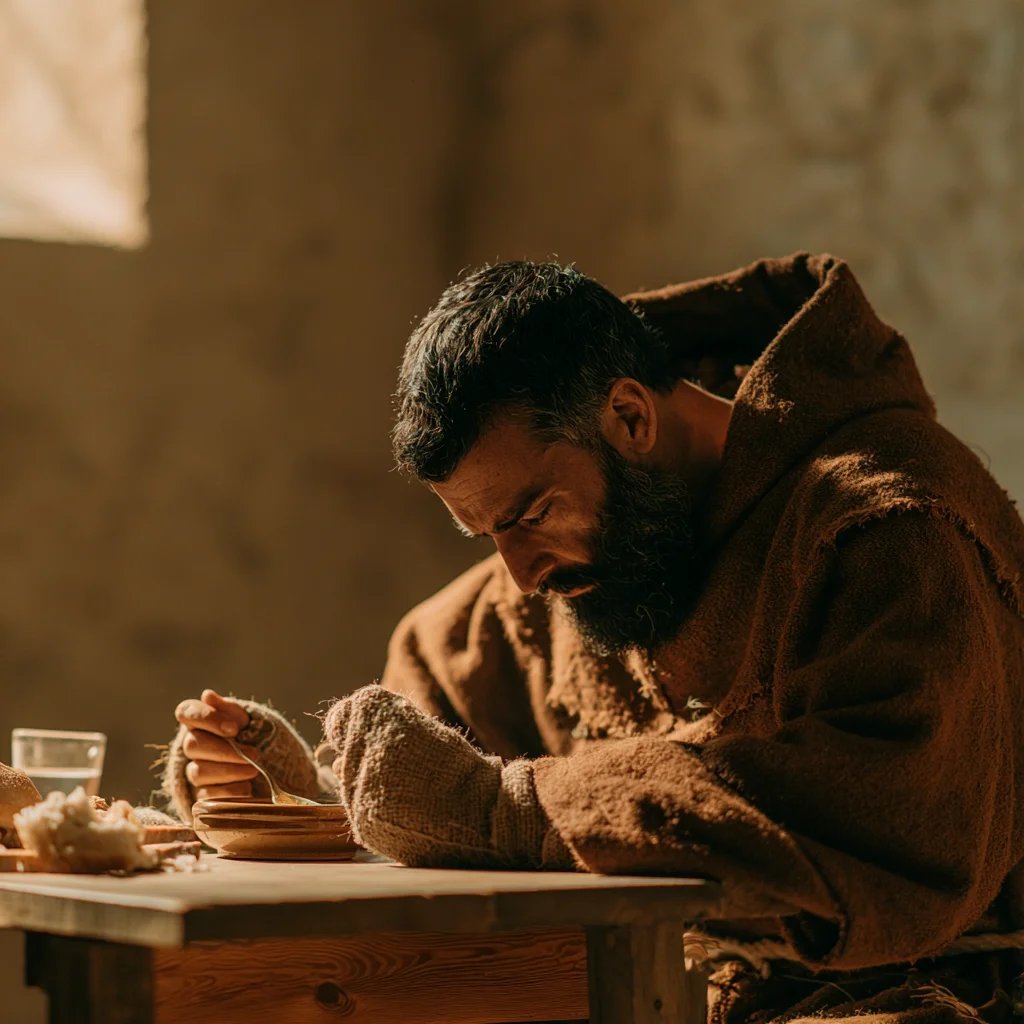
MYSTICS & VISIONARIES

Meet the saints remembered not for what they built or conquered, but for what they received. Explore the quiet, radical lives reshaped entirely by the mystery of divine encounter.
-
A teenage peasant girl in fifteenth-century France who said she heard the voices of Saints Michael, Catherine, and Margaret instructing her to lead the French army against English occupation — and did exactly that, before being captured, tried, and burned at the stake at nineteen. She was canonized nearly five centuries later, on the strength of a holiness the Church came to recognize was inseparable from the visions themselves.
Feast day: May 30
Era: 1412 – 1431 AD
Known for: Visions of Saints Michael, Catherine, and Margaret; leading the French army at Orléans; execution and later canonization
Patronage: France, soldiers, martyrs
Condemned as a heretic in life and revered as a saint in death, her conviction never wavered. Read the full story of Saint Joan of Arc to follow her journey from Domrémy to the trial at Rouen.
-
A fourteen-year-old girl from a desperately poor family in Lourdes, France, who reported eighteen apparitions of a lady she later identified as the Immaculate Conception, at a grotto that has since become one of the most visited pilgrimage and healing sites in the Catholic world. Bernadette herself asked for none of the fame that followed and spent her remaining years in a convent, largely out of the public eye.
Feast day: April 16
Era: 1844 – 1879 AD
Known for: The Marian apparitions at Lourdes, 1858; the spring later associated with healing miracles
Patronage: Illness, Lourdes, shepherds
Bernadette asked for none of the fame that followed, choosing a quiet convent life over the spotlight. Read Saint Bernadette’s full story to discover the girl behind the grotto.
-
An Italian Capuchin friar who bore the visible wounds of the crucifixion — the stigmata — for roughly fifty years, alongside widely reported gifts of bilocation and spiritual discernment, most often exercised in the confessional, where he would sometimes tell penitents the sins they had forgotten, or failed, to mention.
Feast day: September 23
Era: 1887 – 1968 AD
Known for: The stigmata, visible for roughly fifty years; an extraordinary confessional ministry; reported bilocation
Patronage: Adolescents, civil defense volunteers, stress relief
Under intense scrutiny from the Vatican and sought by thousands daily, he bore the wounds of Christ in quiet obedience. Read the full story of Saint Padre Pio to discover the friar behind the miracles.
-
A Polish nun of limited formal education who recorded, in a private diary, an extended series of visions and conversations she believed she was having with Christ on the subject of Divine Mercy — a message that went on to shape one of the most widely practiced devotions in the modern Catholic Church, including the feast of Divine Mercy Sunday.
Feast day: October 5
Era: 1905 – 1938 AD
Known for: Visions of Christ regarding Divine Mercy; her Diary; the Divine Mercy image and devotion
Patronage: Mercy devotion, those seeking spiritual trust
Confined to convent kitchens and bakeries, she quietly recorded conversations that would ignite a global devotion to Divine Mercy. Read the full story of Saint Faustina Kowalska to explore the life and legacy of the humble Polish mystic.
-