Every Saint Began as Someone Ordinary
Here you'll find the men and women the Church calls holy — queens and fishermen, mystics and martyrs, archangels and unlearned friars — each one telling the same story in a different voice: that holiness is possible, and that God keeps choosing the people no one would expect.


Featured Saint
SAINT MATILDA
She was raised inside convent walls by a grandmother who happened to be the abbess, and she carried that faith all the way to a throne, even when it cost her everything.
-
![The Blessed Virgin Mary]()
The Blessed Virgin Mary
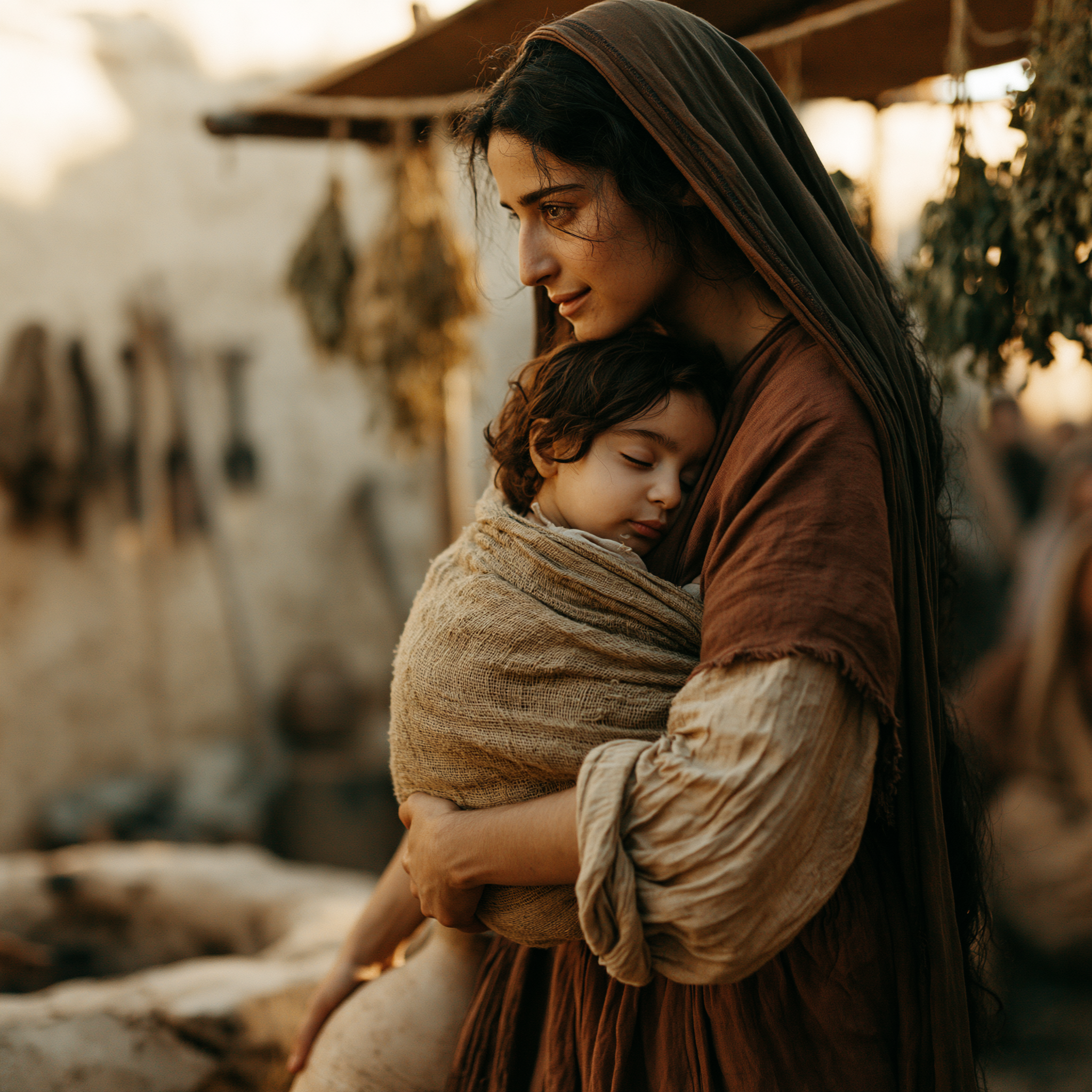
There is a moment in an obscure village in Galilee that the whole of human history quietly turns on. A young woman is asked to carry God into the world, and she agrees before she understands any of it. Mary is present at the Church's first hour and nearly every hour after — at a wedding in Cana, at the foot of a cross, in an upper room waiting for fire to fall. Her whole life is one long, costly yes.
-
![Saint Joseph]()
Saint Joseph
Saint Joseph never says a single word in Scripture. What he does instead is act — immediately, completely, without explanation — every time a dream tells him to. He protects a fiancée the law would have let him shame, flees by night to save a child who is not his by blood, and then disappears from the story having asked for nothing in return. His silence turns out to be its own kind of eloquence.
-
![Saint Jude Thaddeus]()
Saint Jude Thaddeus
He shares a name with the man who betrayed Jesus, and for centuries that was reason enough for almost no one to pray to him. Out of that neglect grew one of the most beloved devotions in the Church: the belief that Jude, so long overlooked, listens all the more closely to the causes everyone else has already given up on.
-
![Saint Michael the Archangel]()
Saint Michael the Archangel
His name is not really a name. It is a question — who is like God? — and Catholic tradition hears it as the answer to the pride that started a war in heaven. Scripture shows him only a handful of times, and in nearly all of them he is doing the same thing: standing at the front of a battle most people never see.
-
![Saint Anthony of Padua]()
Saint Anthony of Padua
Nobody expected the quiet friar in the back to preach that day. But when he finally spoke, without warning or preparation, what came out revealed years of hidden learning — and launched one of the most celebrated preaching careers in Church history. Centuries later, he remains the saint millions of ordinary Catholics turn to first, for something as small as a lost set of keys.
-
![Saint Francis of Assisi]()
Saint Francis of Assisi
A voice spoke to him from a crucifix in a ruined chapel and asked for surprisingly little: go and repair my house. Francis took it literally at first. It would take him years, a public renunciation of his own fortune, and a marriage to poverty itself before he understood how much rebuilding God actually had in mind.
-
![Saint Christopher]()
Saint Christopher
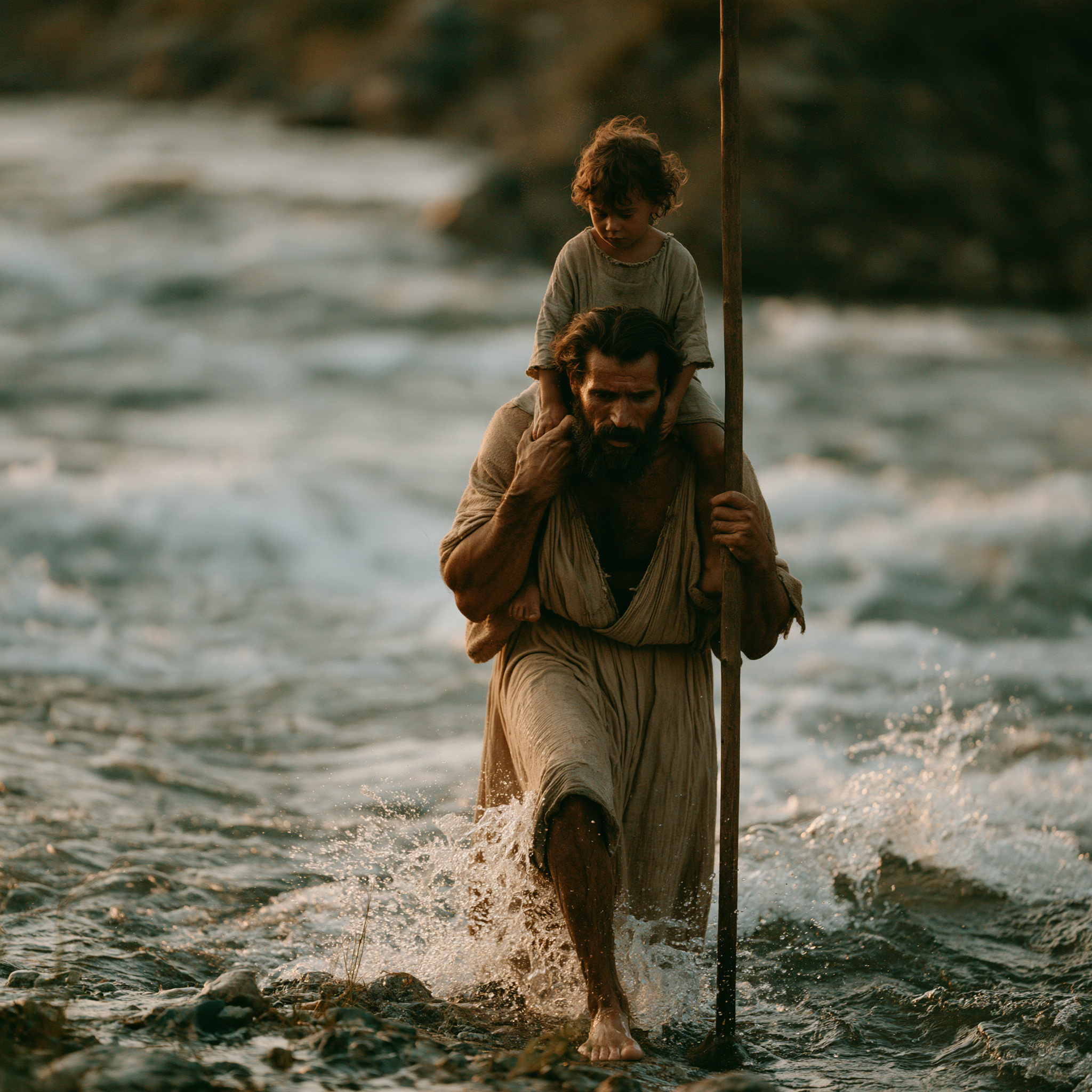
The most famous thing about Saint Christopher may be a story that never happened to a man historians cannot fully confirm existed — and Catholics have loved him anyway for over a thousand years. His legend of carrying an impossibly heavy child across a river has endured because it keeps saying something people need to hear: ordinary strength, offered in service, is enough.
-
![Saint Patrick]()
Saint Patrick
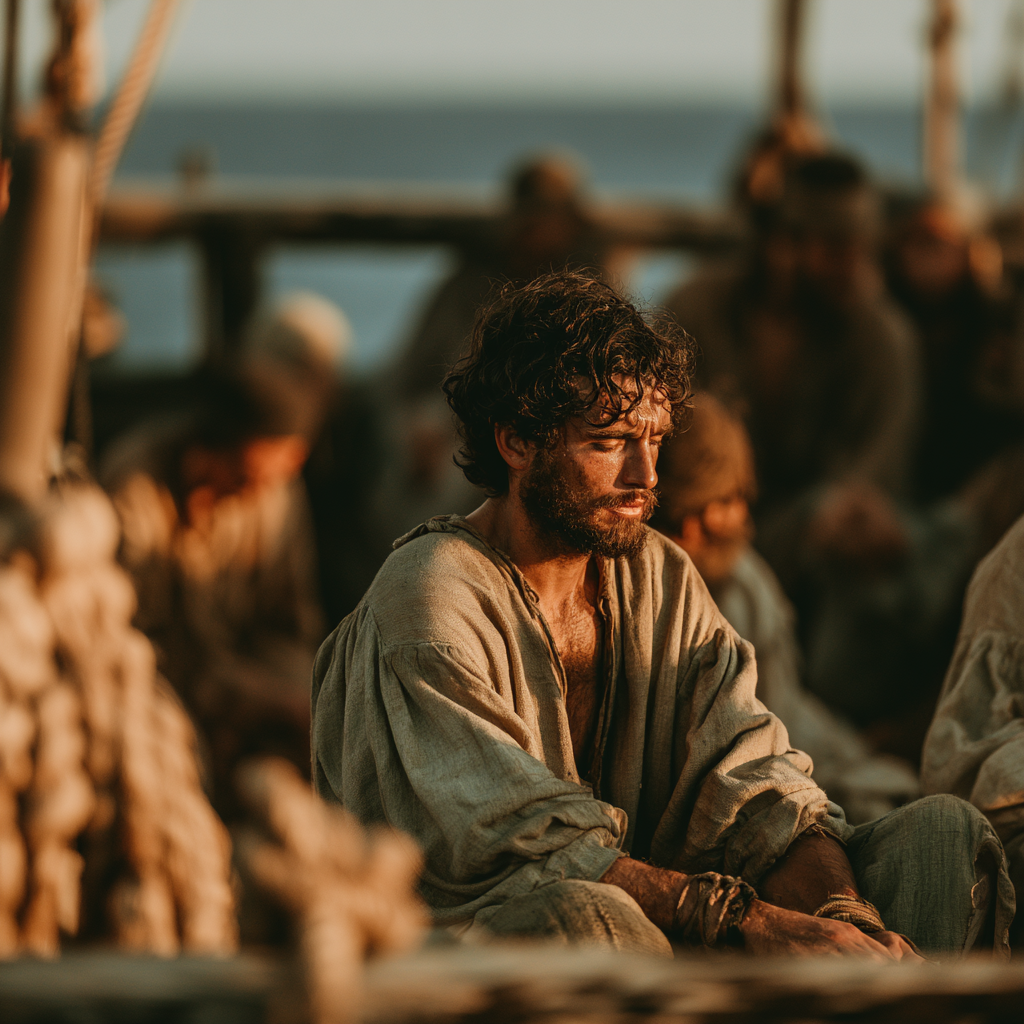
He was sixteen when raiders took him from Britain and sold him into slavery in Ireland. He escaped years later — and then, astonishingly, chose to go back, not for revenge but to serve the very people who had enslaved him. Few saints demonstrate more clearly what it costs, and what it builds, to refuse captivity the final word.
-
![Saint Teresa of Avila]()
Saint Teresa of Avila
As a child, Teresa once tried to run away from home to get herself martyred. It was an early preview of the woman she would become — someone whose spiritual ambition consistently outran what was practical, and who kept acting on it anyway, until a Spanish convent reform and a shelf of writings on prayer reshaped Catholic spirituality for good.
-
![Saint Padre Pio]()
Saint Padre Pio
For nearly fifty years, he bore the open wounds of the stigmata while spending endless hours listening to confessions in a remote mountain friary. Padre Pio’s life was a rare convergence of profound mystical signs, quiet obedience, and a relentless commitment to suffering souls.
-
![Saint Thérèse of Lisieux]()
Saint Thérèse of Lisieux
She entered a Carmelite monastery at fifteen and died just nine years later in quiet obscurity, yet her "Little Way"—the belief that holiness is found not in heroic deeds but in doing ordinary things with extraordinary love—transformed Catholic spirituality and made her one of the Church's most beloved Doctors.
-
![Saint Augustine of Hippo]()
Saint Augustine of Hippo
He spent his youth running from the faith of his mother, pursuing intellectual brilliance, worldly prestige, and fleeting desires across North Africa and Italy. Yet when grace finally overtook him in a Milan garden, Saint Augustine transformed his restless search into some of the most profound theological and philosophical works in Christian history.
-
![Saint Catherine of Siena]()
Saint Catherine of Siena
An uneducated wool-dyer’s daughter from Siena, she never held formal office, yet she became one of the most formidable voices in Church history. Catherine of Siena stepped directly into fourteenth-century political turmoil, counseling popes, dictating profound mystical treatises, and convincing the papacy to return from exile in Avignon—proving that spiritual authority often begins where worldly power least expects it.
-
![Saint Vincent de Paul]()
Saint Vincent de Paul
He was an ambitious young cleric whose life was radically derailed by years of captivity, rural neglect, and the misery of galley slaves. Vincent de Paul chose not to look away—going on to organize the most extensive relief networks in seventeenth-century France and proving that Christian charity is not an emotional impulse, but an enduring, practical revolution.
-
![Saint Maximilian Kolbe]()
Saint Maximilian Kolbe
He built one of the largest publishing apostolates of the twentieth century, but his most enduring testament was written in silence. When ten men were condemned to starve in Auschwitz, Maximilian Kolbe stepped out of line to take the place of a stranger with a family—turning a subterranean cell of despair into a sanctuary of prayer and proving that hate never has the final word.
-
![Saint Matilda]()
Saint Matilda
Raised in the quiet sanctity of a convent by her abbess grandmother, she was thrust onto the throne as Queen of Germany. When her royal sons turned against her for distributing the kingdom’s wealth to the poor, Matilda answered betrayal with quiet endurance—founding abbeys, serving the destitute with her own hands, and proving that true nobility is measured not by crowns, but by charity.
-
![Saint Teresa of Calcutta]()
Saint Teresa of Calcutta
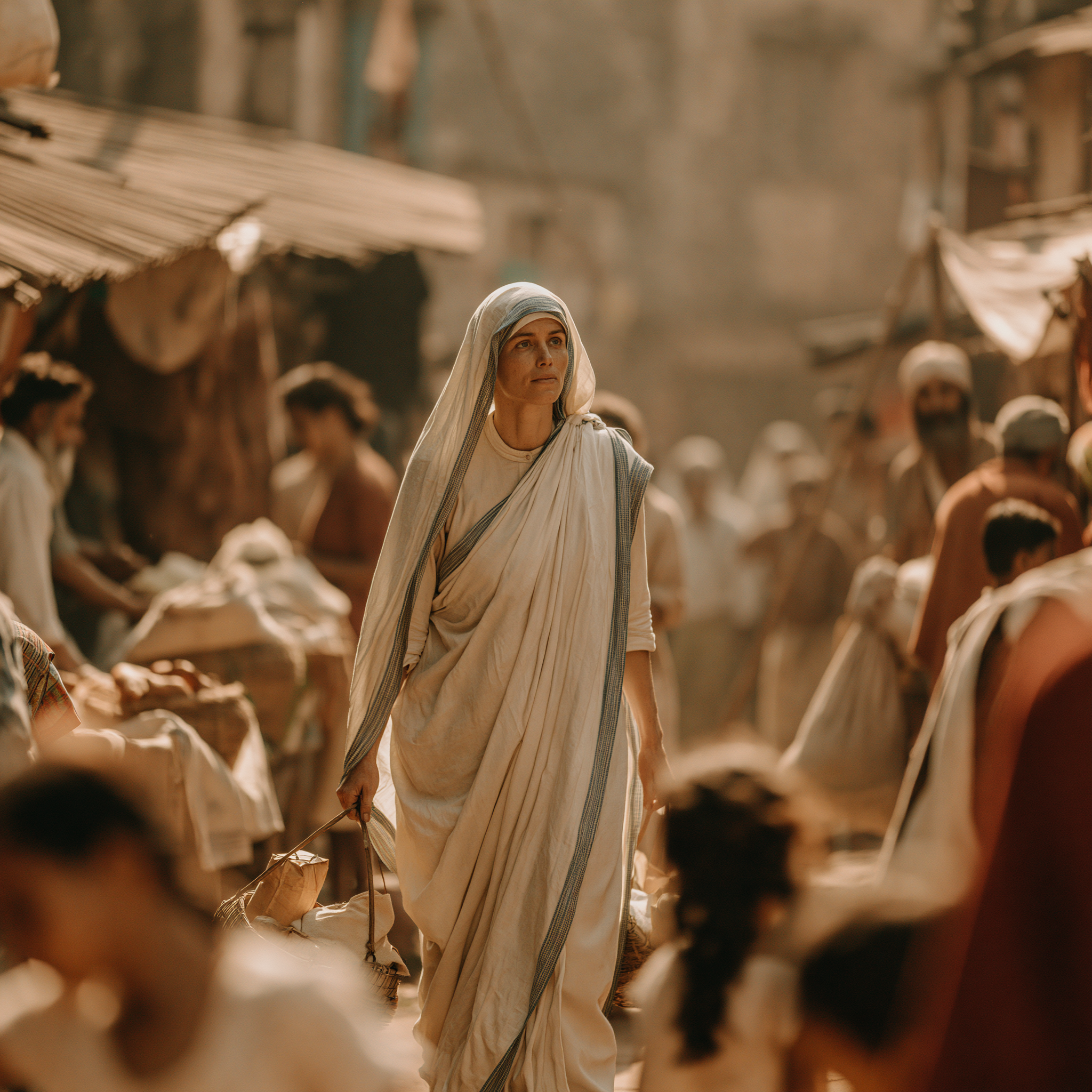
She left the comfort of a convent classroom to walk into the poorest slums on earth with nothing but a white cotton sari and an unwavering conviction. For fifty years, Mother Teresa touched the untouchable and loved the dying, quietly carrying a profound interior darkness that transformed human suffering into a radiant testament of faith.
-
![Saint Faustina Kowalska]()
Saint Faustina Kowalska
She was an uneducated Polish peasant girl assigned to the quietest convent chores, peeling potatoes and opening the door to strangers. Yet from her hidden, ordinary room came a vision that transformed modern Christianity—a radiant reminder that no brokenness is beyond the reach of mercy, and that holiness often begins in total obscurity.
-
![Saint Joan of Arc]()
Saint Joan of Arc
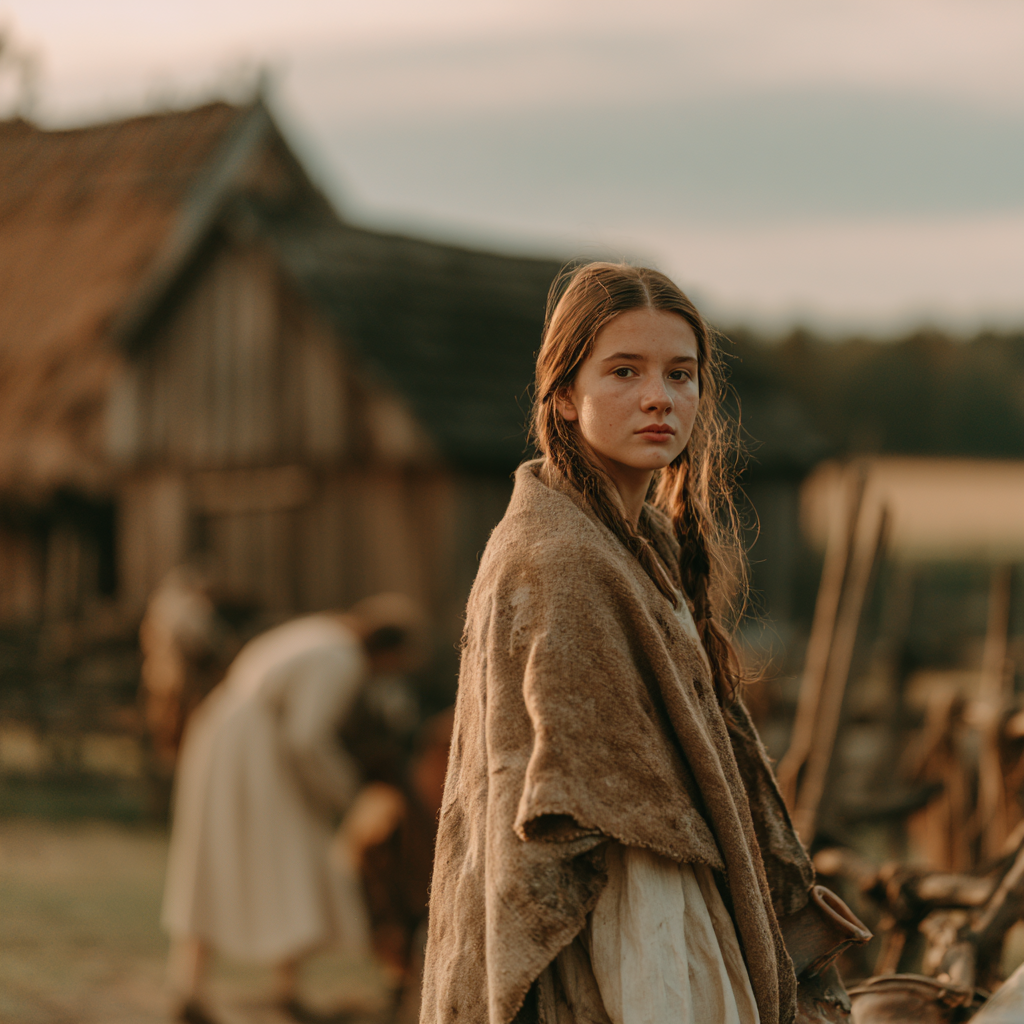
An unlettered peasant girl from Domrémy, she heard the voices of saints in her father’s garden and obeyed a call no one thought possible. Joan of Arc cut her hair, put on armor, and led an exhausted nation to impossible victories—turning the tide of the Hundred Years' War and crowning a king before enduring betrayal and martyrdom at just nineteen, bearing witness to a faith that fire could not break.
-
![Saint Bernadette Soubirous]()
Saint Bernadette Soubirous
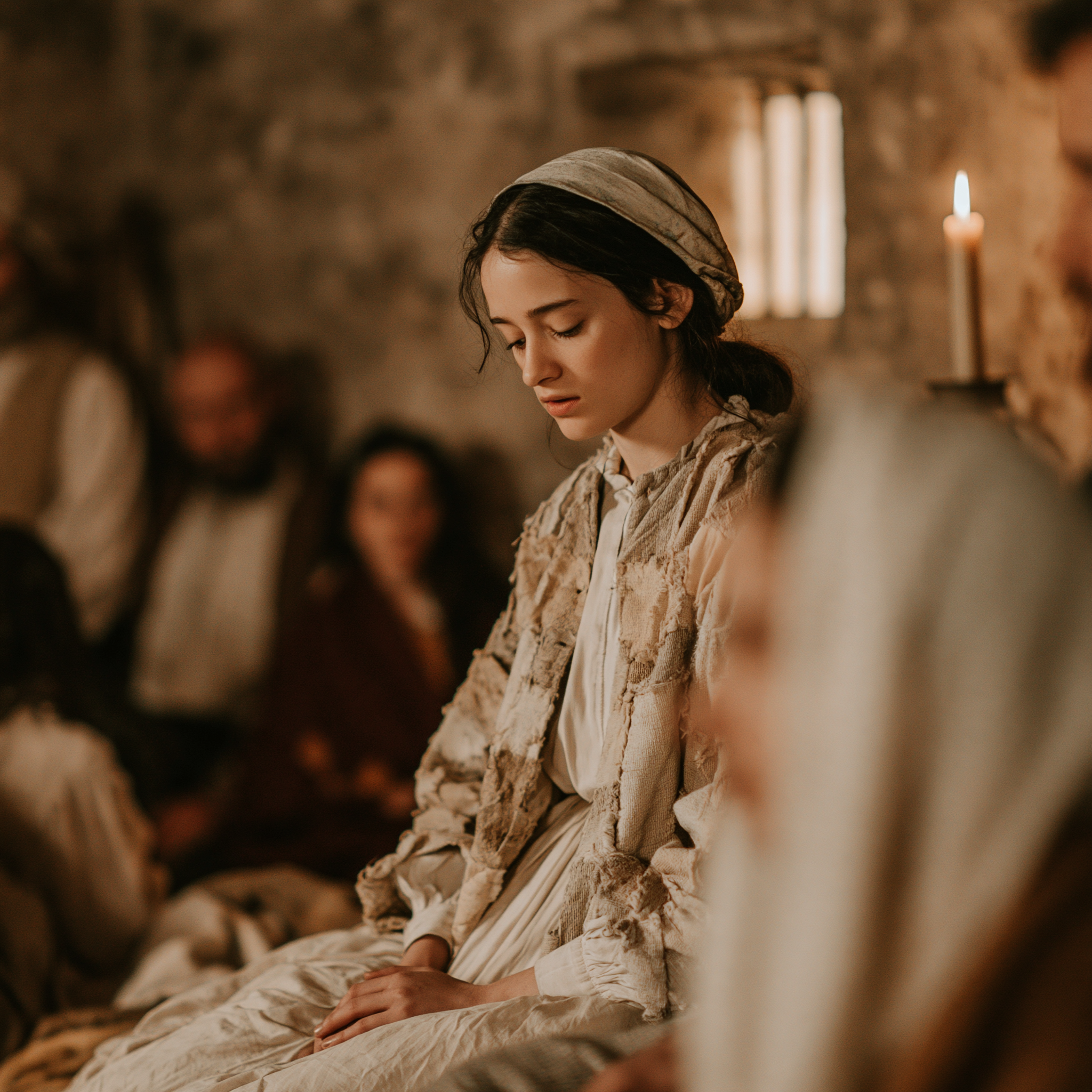
She was an uneducated, sickly peasant girl living in a former jail cell when a luminous lady appeared to her at a muddy grotto in Lourdes. Bernadette Soubirous stood firm against harsh police interrogations and clerical skepticism, unearthing a miraculous spring that still draws millions of pilgrims today—before quietly withdrawing to a convent to let the waters speak for themselves.
-
![Saint Elizabeth Ann Seton]()
Saint Elizabeth Ann Seton
She was a young New York socialite and devoted mother who lost everything—her fortune, her husband, and her social standing—when she entered the Catholic Church. Refusing to yield to grief or exile, Elizabeth Ann Seton founded the Sisters of Charity and established America’s first free Catholic school, becoming the nation’s first native-born saint and proving that profound tragedy can become the birthplace of an enduring legacy.
-
![Saint Kateri Tekakwitha]()
Saint Kateri Tekakwitha
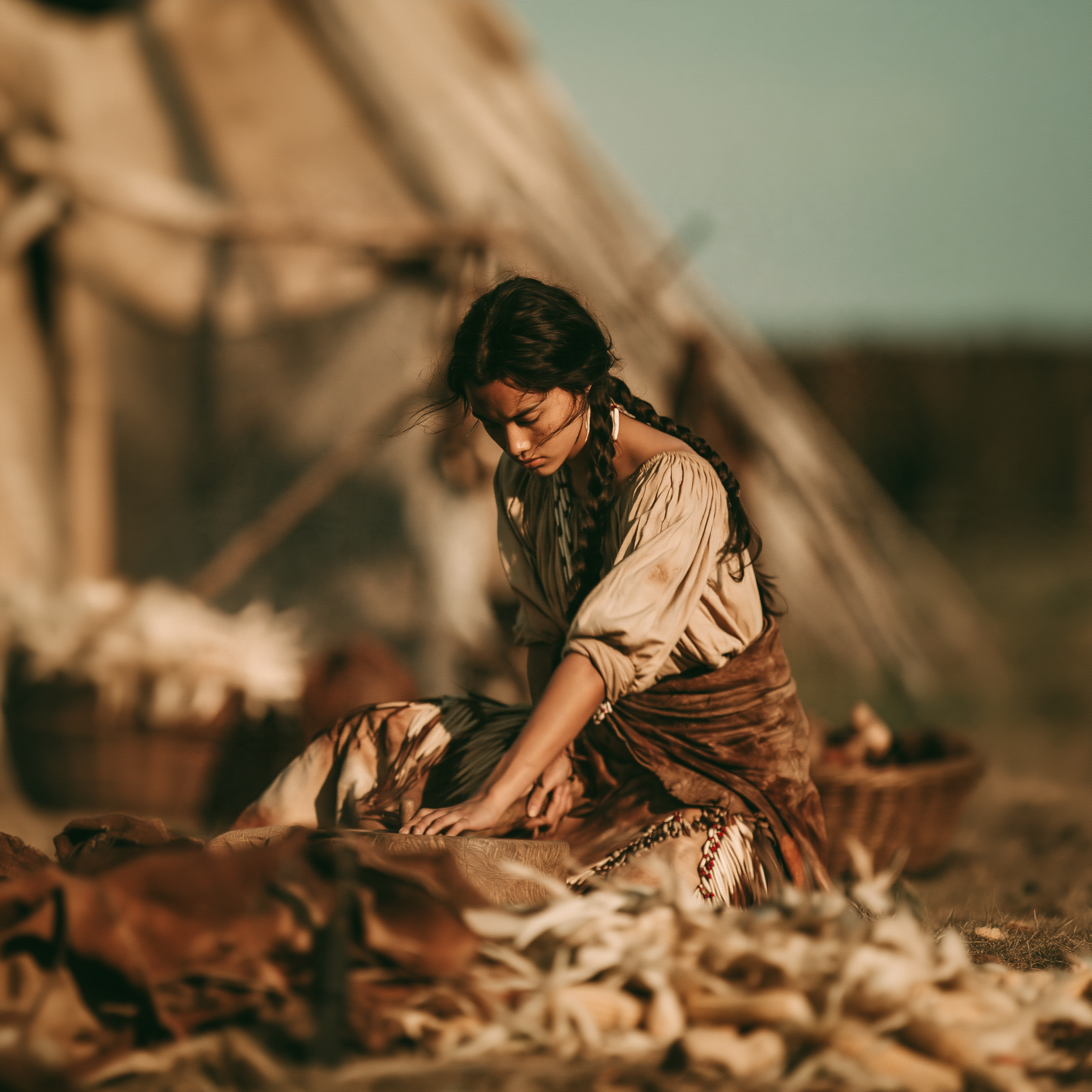
Orphaned and scarred by smallpox as a child, she walked with damaged eyesight and quiet resolve through a world that demanded her conformity. Kateri Tekakwitha refused marriage, endured bitter ostracism for embracing baptism, and slipped into the wilderness toward Canada—becoming the first Native American saint and proving that the purest courage often lives in hidden, gentle souls.