Saint Bernadette Soubirous: The Visions of Lourdes, the Apparitions, and Her Incorrupt Body
Feast Day: April 16
Also Known As: Marie-Bernarde Soubirous (birth name)
Born / Died: January 7, 1844, Lourdes, France — April 16, 1879, Nevers, France, at age 35
Apparitions: Eighteen reported appearances of a lady at the Grotto of Massabielle, February–July 1858, declared worthy of belief by the Church in 1862
Canonized: December 8, 1933, by Pope Pius XI — for her personal holiness, not as a formal confirmation of the apparitions themselves
Patronage: The sick, especially those with tuberculosis; shepherds; Lourdes; those ridiculed for their faith
Major Shrine: The Sanctuary of Our Lady of Lourdes, France — one of the most visited Catholic pilgrimage sites in the world
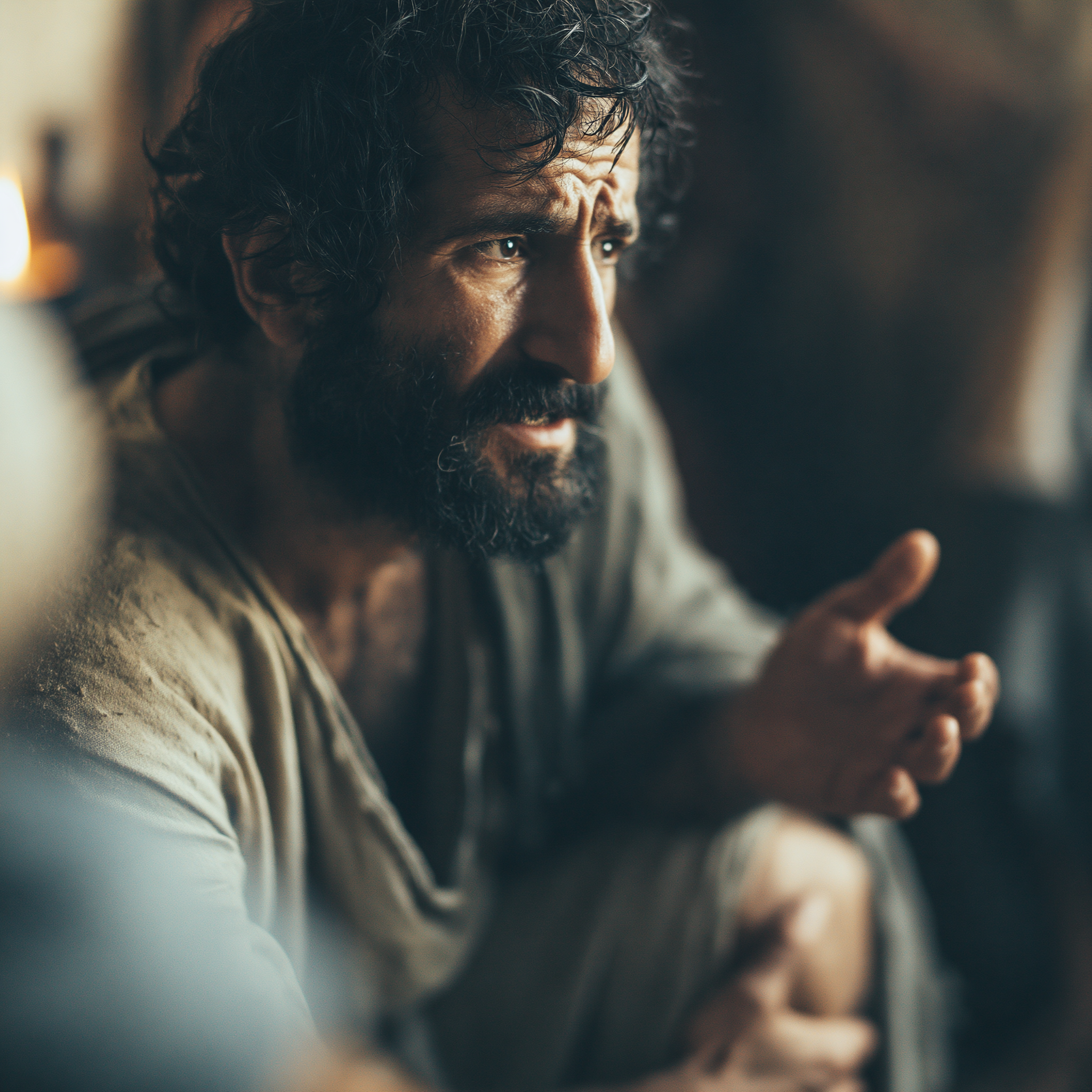
Police officers, prosecutors, and local officials interrogated a fourteen-year-old girl again and again, trying to catch her in a lie, an exaggeration, or a change in her story. She never gave them one.
Bernadette Soubirous was barely literate, chronically ill, and came from one of the poorest families in her town — by most measures, exactly the kind of witness a skeptical authority would expect to intimidate into recanting. Instead, across months of official pressure and public scrutiny, she described what she had seen at a grotto outside Lourdes in the same plain, unembellished terms every single time, and it was that remarkable, unwavering consistency, as much as anything else, that eventually persuaded the Church to take her account seriously.
Quick Facts: Who Was Saint Bernadette of Lourdes?
A concise overview of the life, visions, and legacy of Saint Bernadette Soubirous—from her humble childhood in Lourdes to the apparitions at the Grotto of Massabielle and her eventual canonization.
-
Bernadette Soubirous, a poor, chronically ill French peasant girl
-
A visionary who reported eighteen apparitions of the Virgin Mary at Lourdes in 1858, later a Sister of Charity
-
Lourdes, France, and later the convent of the Sisters of Charity at Nevers
-
1844–1879
-
Because an uneducated, unwell fourteen-year-old girl's simple, unwavering account of what she had seen became the foundation of one of the most visited pilgrimage sites in the Catholic world
Early Life and Poverty in Le Cachot (The Dungeon)
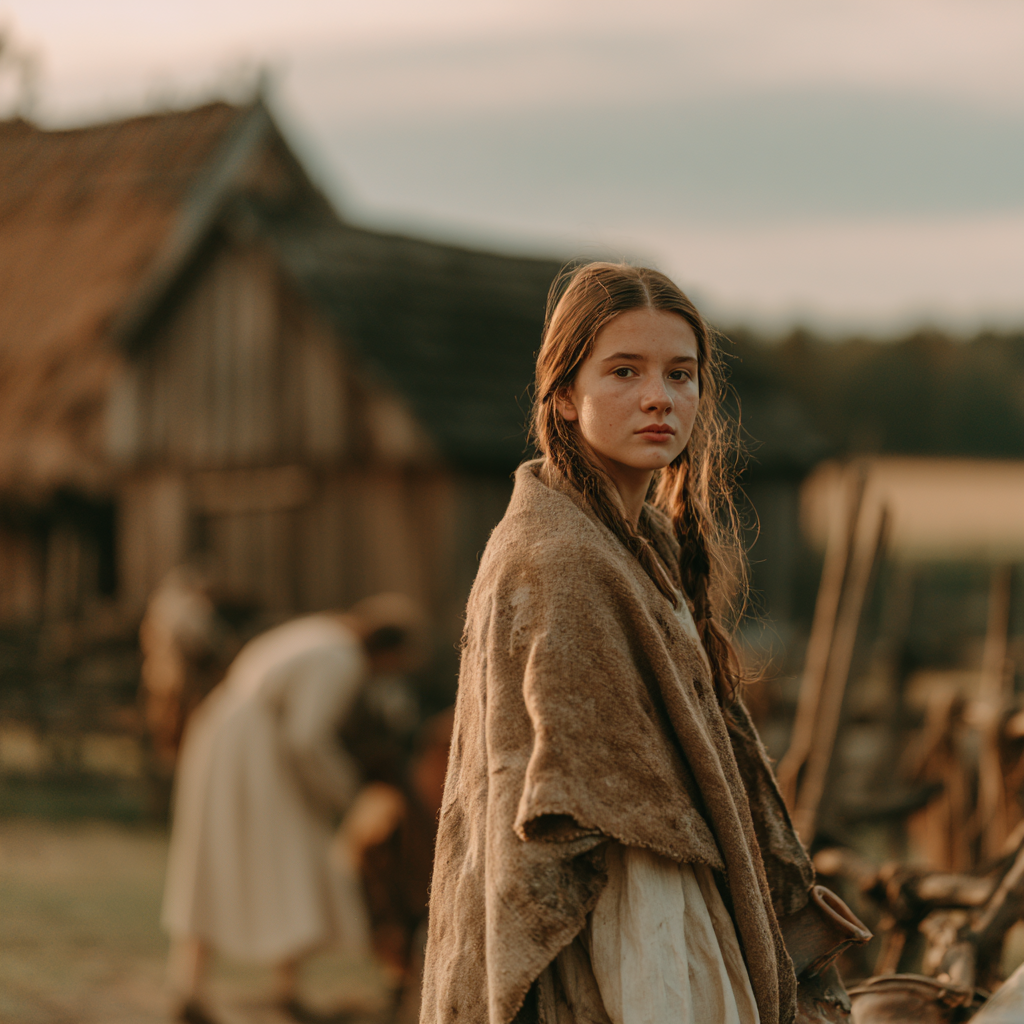
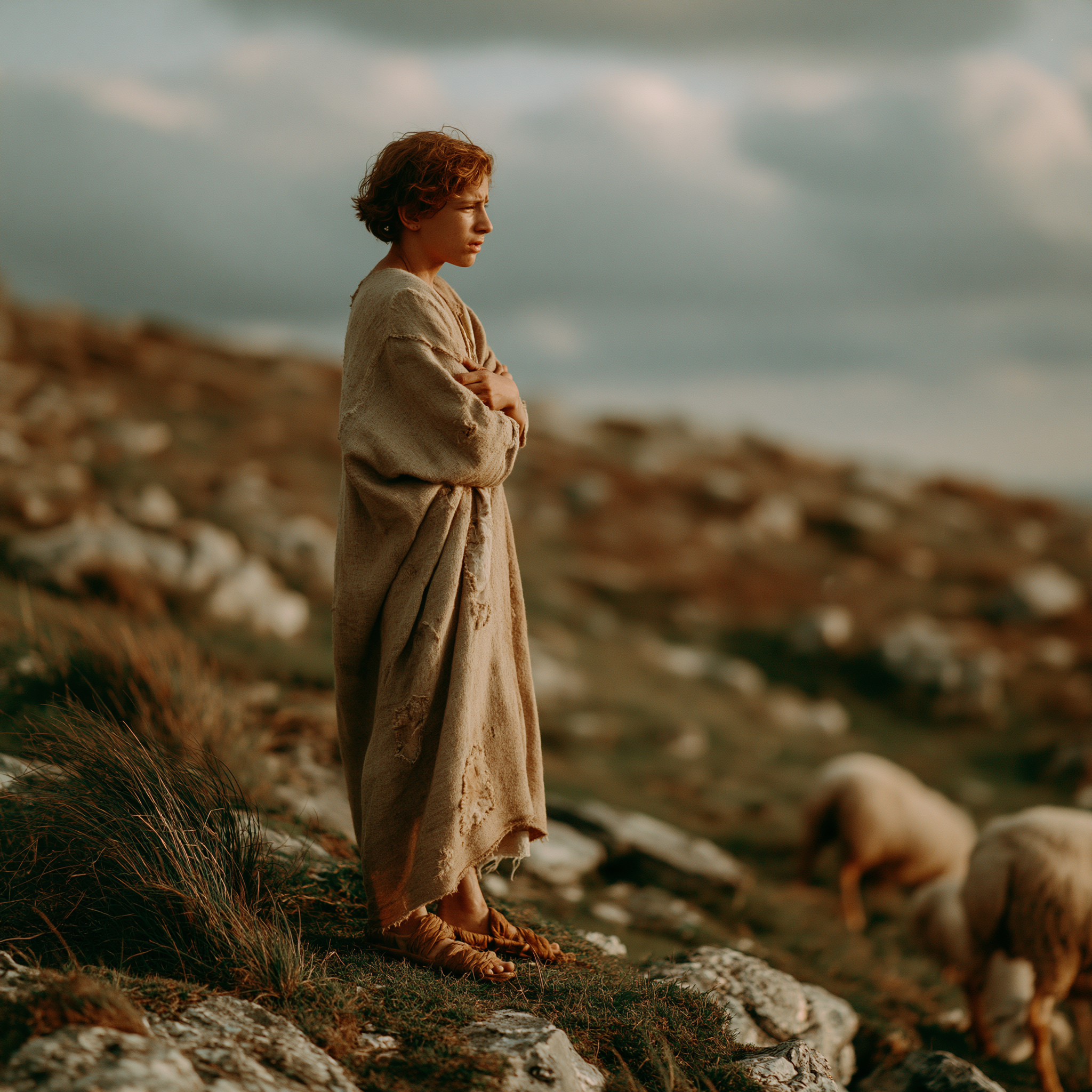
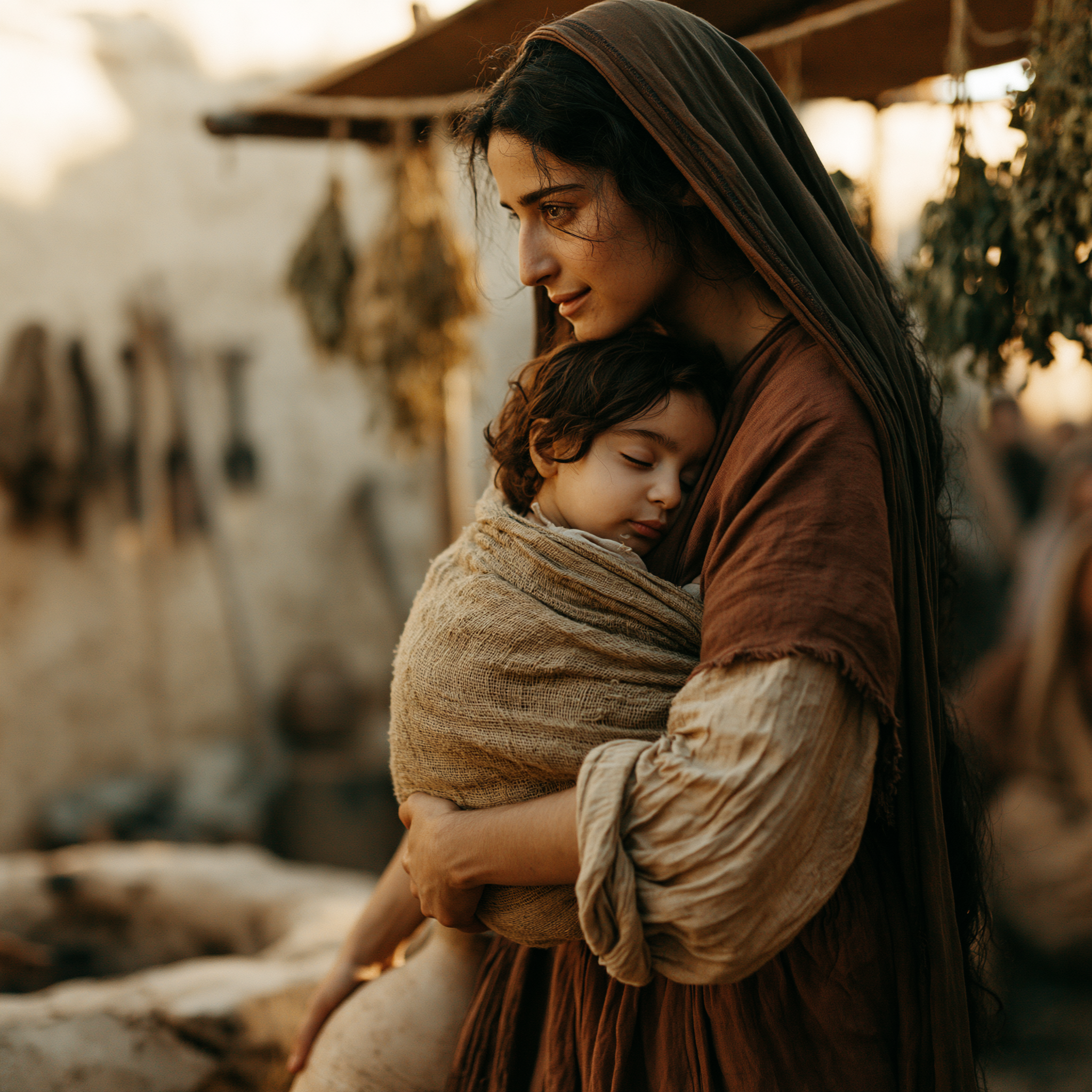
Bernadette was born into severe poverty in Lourdes, the eldest child of a miller whose business had collapsed. For a period of her childhood, the Soubirous family lived in a single squalid room in a former jail known locally as le cachot, the dungeon — a building considered unfit even by the standards of the town's poor. Bernadette suffered from chronic asthma from a young age, received almost no formal schooling, and worked from childhood as a shepherdess and in domestic labor to help support her family.
The 1858 Marian Apparitions at the Grotto of Massabielle
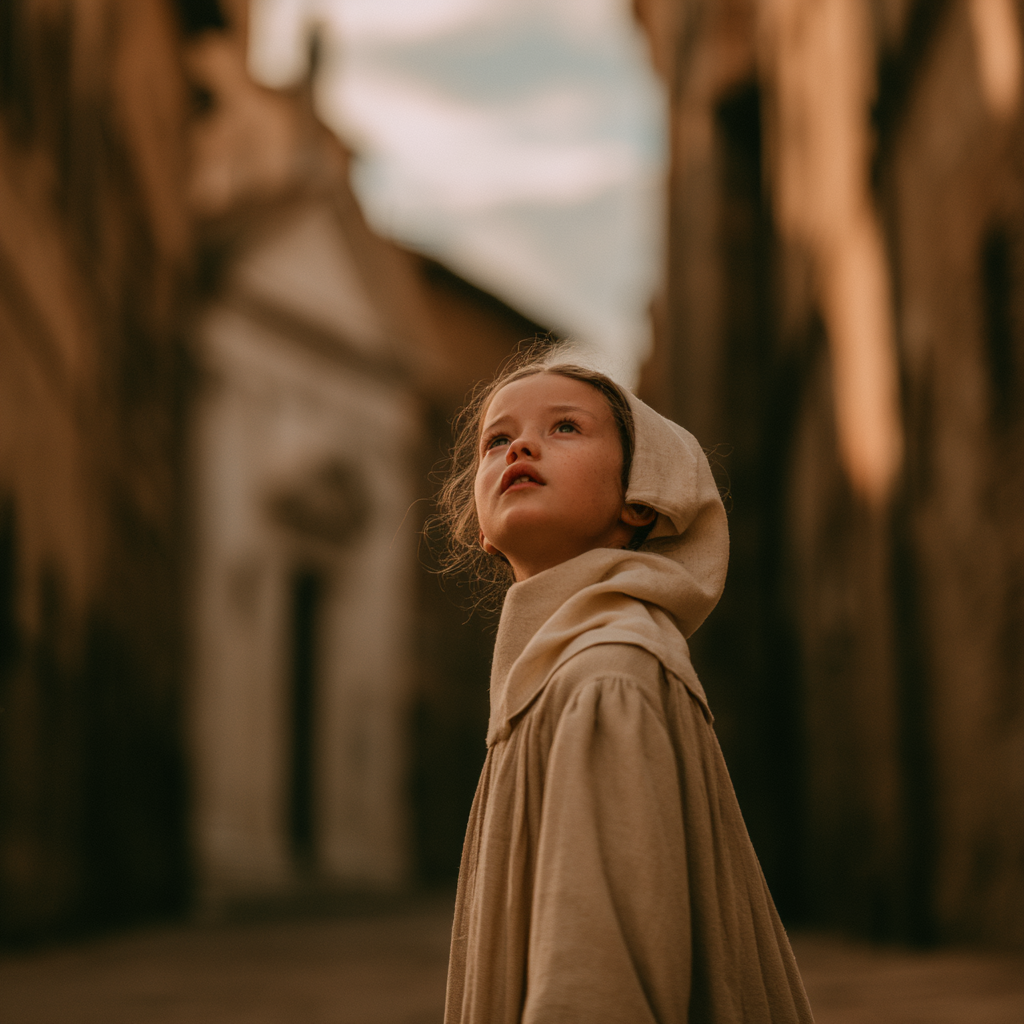
On February 11, 1858, fourteen-year-old Bernadette was gathering firewood near the Grotto of Massabielle, just outside Lourdes, with her sister and a friend, when she reported seeing a small, youthful figure in a niche in the rock — dressed in white, with a blue sash and golden roses at her feet, a rosary over her arm. Bernadette did not initially know who the figure was, and referred to her for some time simply as Aquero, a word in the local Gascon dialect meaning roughly that one, or that thing there.
The apparition returned repeatedly over the following months, eighteen times in total between February and July of 1858, drawing increasingly large crowds who came to watch Bernadette during her reported encounters, even though most witnesses saw nothing themselves beyond Bernadette's own visible reaction.
The Lourdes Spring and Messages from Our Lady
Across the apparitions, Bernadette reported receiving a series of instructions: to pray for the conversion of sinners, to do penance, and to tell the local clergy to have a chapel built at the site. During one especially significant apparition, she reported being told to dig in the ground and drink from the spring that would be found there — and after scraping at the muddy earth in front of a watching crowd, a spring did emerge, witnessed by others present and quickly becoming central to the phenomenon developing around her. That spring remains the source of the water associated with Lourdes today.
Official Interrogations and Bernadette’s Unshakable Testimony
Local civil authorities, including police and the town prosecutor, grew increasingly alarmed at the crowds and public disruption building around Bernadette's reports, and subjected her to repeated, pointed interrogation aimed at getting her to recant or alter her story. Some local clergy were initially skeptical as well. Bernadette, uneducated and only fourteen, held her account steady through all of it — the same plain description, offered without embellishment or variation, regardless of who was questioning her or how much pressure they applied. That steadiness under scrutiny became, over time, one of the most persuasive elements of the entire case.
“I Am the Immaculate Conception”: Theological Meaning and Church Approval
On March 25, 1858, the Feast of the Annunciation, during one of the later apparitions, Bernadette finally asked the lady directly who she was. The answer she reported, spoken in the local Gascon dialect, translates roughly as: I am the Immaculate Conception.
The detail carries real theological weight. Pope Pius IX had formally defined the dogma of the Immaculate Conception only four years earlier, in 1854, using precisely that specific doctrinal terminology — language an uneducated, barely literate teenage girl from a poor rural family would have had little obvious opportunity to encounter or accurately reproduce on her own. Church investigators considered this detail significant supporting evidence when they later assessed the case.
The Bishop of Tarbes opened a formal investigation into the apparitions, and in 1862, several years after they had ended, the Church declared them worthy of belief — a specific canonical category the Church uses for private revelation, distinct from doctrines the faithful are required to accept.
Fame did not sit well with Bernadette. The attention, scrutiny, and constant requests that followed the apparitions became, by her own account, a genuine burden rather than a source of satisfaction, and she sought a quieter life away from the growing pilgrimage site her hometown was becoming. In 1866, she entered the Sisters of Charity of Nevers, moving to their convent in Nevers, France, where she spent the rest of her life largely removed from the public attention surrounding Lourdes.
Life in the Convent at Nevers and Hidden Suffering
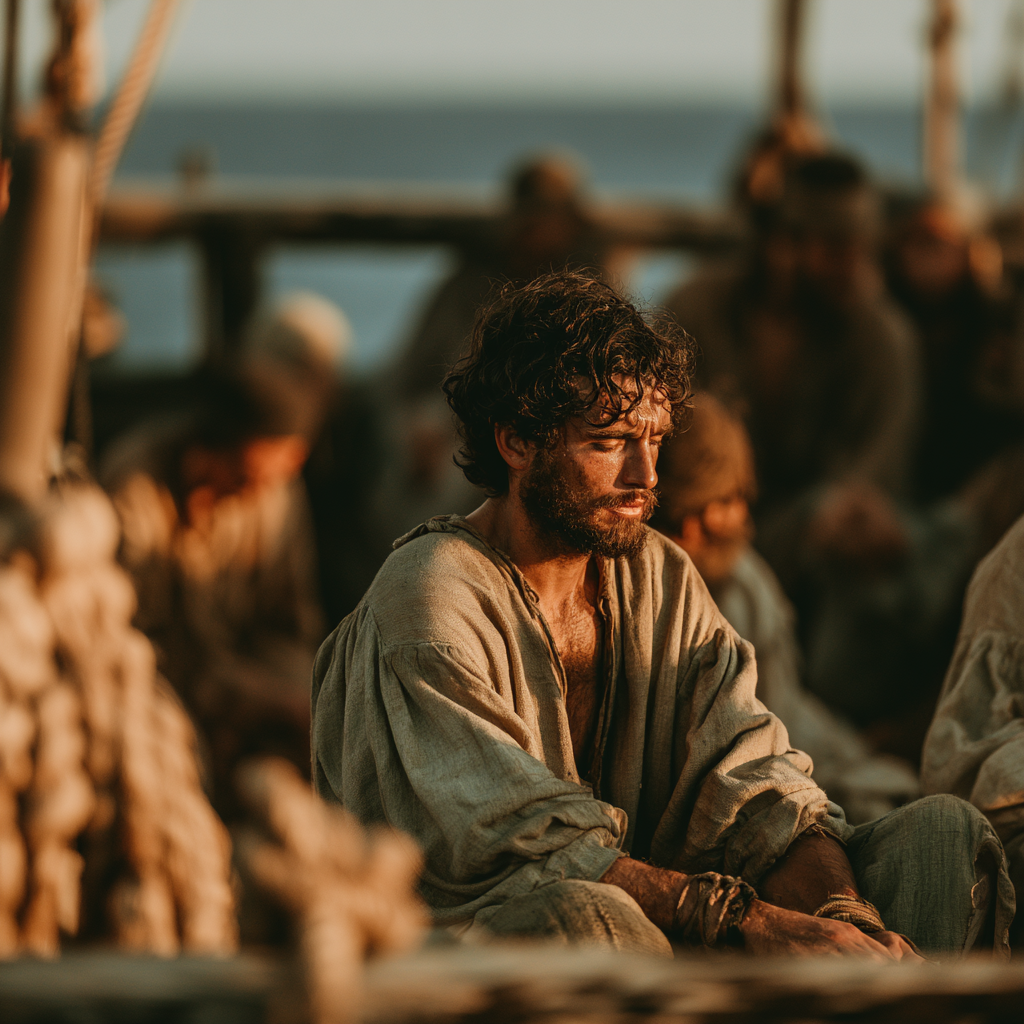
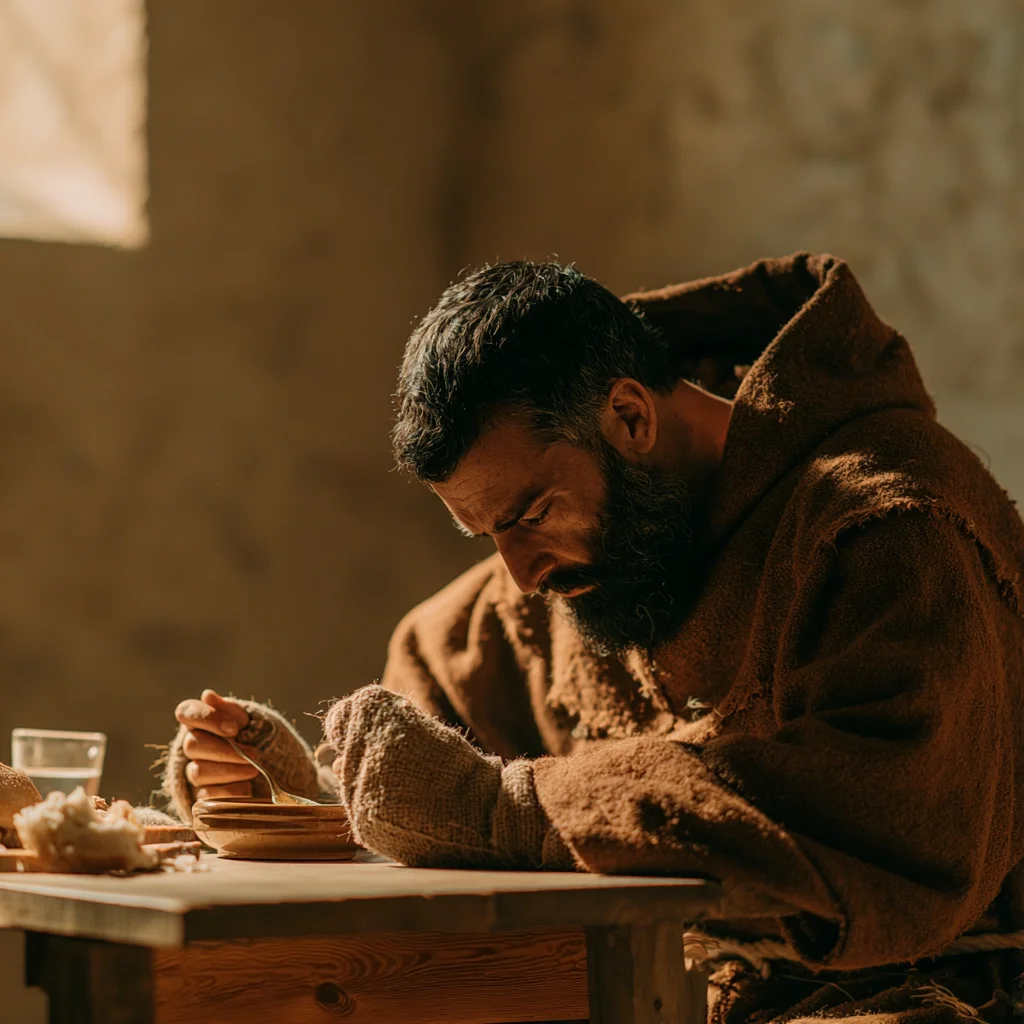
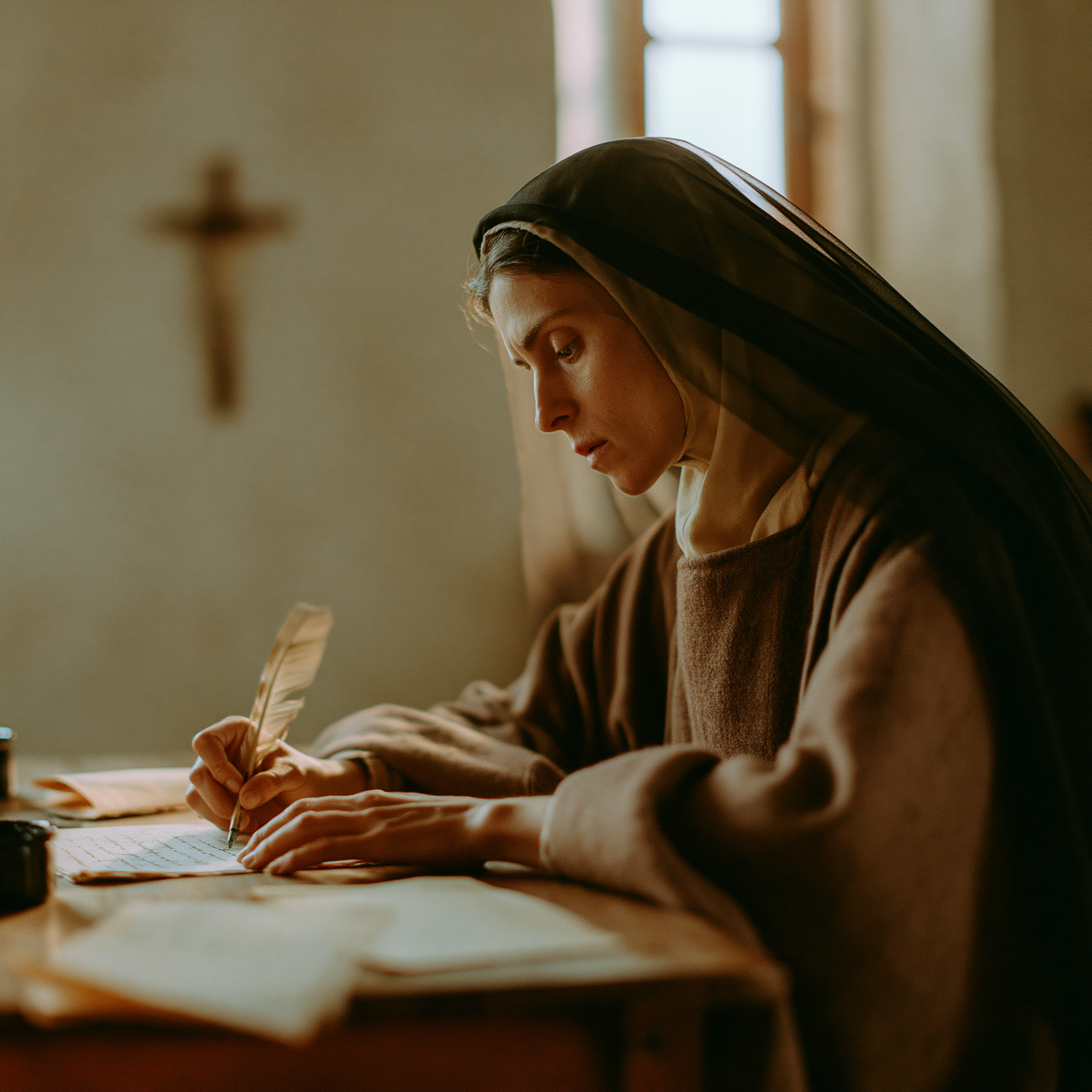
Bernadette's health, poor since childhood, worsened steadily during her convent years — chronic asthma gave way eventually to tuberculosis of the bone in her knee, along with other ailments that left her in nearly constant physical distress. She worked humble roles within the convent, in the infirmary and sacristy, and bore her declining health, by most accounts, without significant complaint, describing her suffering at times as carrying its own purpose rather than simply as an affliction to be endured. She died at Nevers in 1879, at only thirty-five.
The Incorrupt Body and Relics of Saint Bernadette
As part of the canonization investigation, Bernadette's remains were exhumed multiple times in the decades following her death and were found notably well preserved. A wax covering was later applied to her face and hands for public display, a detail sometimes lost in popular retellings that describe her body as simply untouched — the more accurate account includes both the genuine preservation noted by investigators and the restoration work done afterward for exhibition. Her body remains on public display today in a glass reliquary at the convent chapel in Nevers.
Private Revelation: Why the Catholic Church Canonized Saint Bernadette
While the Lourdes apparitions are among the most celebrated in Church history, the Catholic Church formally categorizes them as private revelation—worthy of belief, but not required of the faithful. Bernadette was declared a saint for her personal holiness and endurance in suffering, rather than the miraculous events she witnessed.
-
Bernadette's 1933 canonization recognized her personal sanctity — her humility, her patience through suffering, her simple fidelity — rather than serving as a doctrinal requirement that Catholics accept the apparitions as historical fact. The Church places Lourdes in the category of approved private revelation: worthy of belief and consistent with the faith, but never binding on any Catholic's conscience the way a defined dogma is.
-
Much of the Church's own confidence in Bernadette's account rested on precisely the qualities that might otherwise have counted against her: her lack of education, her poverty, and her utter consistency under repeated, hostile questioning from adults with far more social power than she had. An uneducated peasant girl proved, in the end, considerably harder to shake than her interrogators expected.
-
Lourdes remains one of the most visited Catholic pilgrimage sites in the world, and the Church maintains a dedicated medical bureau that continues to examine reported healings connected to the site's waters, certifying a small number of cases, after rigorous review, as medically inexplicable. The vast majority of pilgrims who travel to Lourdes each year seek not a physical cure but the same simple, prayerful encounter Bernadette herself first reported at the grotto.
An uneducated peasant girl proved, in the end, considerably harder to shake than her interrogators expected.
The Legacy of Saint Bernadette and the Healing Waters of Lourdes Today
Bernadette's entire public story took place across only a few months of an otherwise short, difficult, and largely hidden life — a poor, sickly teenager who reported an extraordinary encounter, endured considerable pressure to recant it, and then spent the following two decades trying to escape the fame that encounter produced, preferring the quiet and largely unnoticed work of convent life until her early death.
What has kept her account credible for over a century and a half is not spectacle but its opposite: an unsophisticated witness who never varied her story, never sought the attention that followed her, and asked, by the end of her short life, only to be allowed to disappear into ordinary religious obscurity. Lourdes has become one of the most visited religious sites on earth because a poor, uneducated fourteen-year-old girl simply would not stop telling the truth as she understood it, regardless of who asked her to change it.