Saint Padre Pio: Life, Stigmata, Miracles, and Legacy
Feast Day: September 23
Also Known As: Francesco Forgione (birth name)
Born / Died: May 25, 1887, Pietrelcina, Italy — September 23, 1968, San Giovanni Rotondo, Italy
Canonized: June 16, 2002, by Pope John Paul II
Stigmata: Visible wounds resembling Christ's crucifixion, permanent from 1918 until his death — bleeding for roughly fifty years, one of the longest documented cases in Church history
Patronage: Civil defense volunteers (Italy); popularly invoked for stress relief and against loneliness
Major Shrine: The Shrine of Padre Pio and the Casa Sollievo della Sofferenza hospital, San Giovanni Rotondo, Italy
For nearly fifty years, a Capuchin friar in a small town in southern Italy bled from wounds that matched, point for point, the crucifixion of Christ.
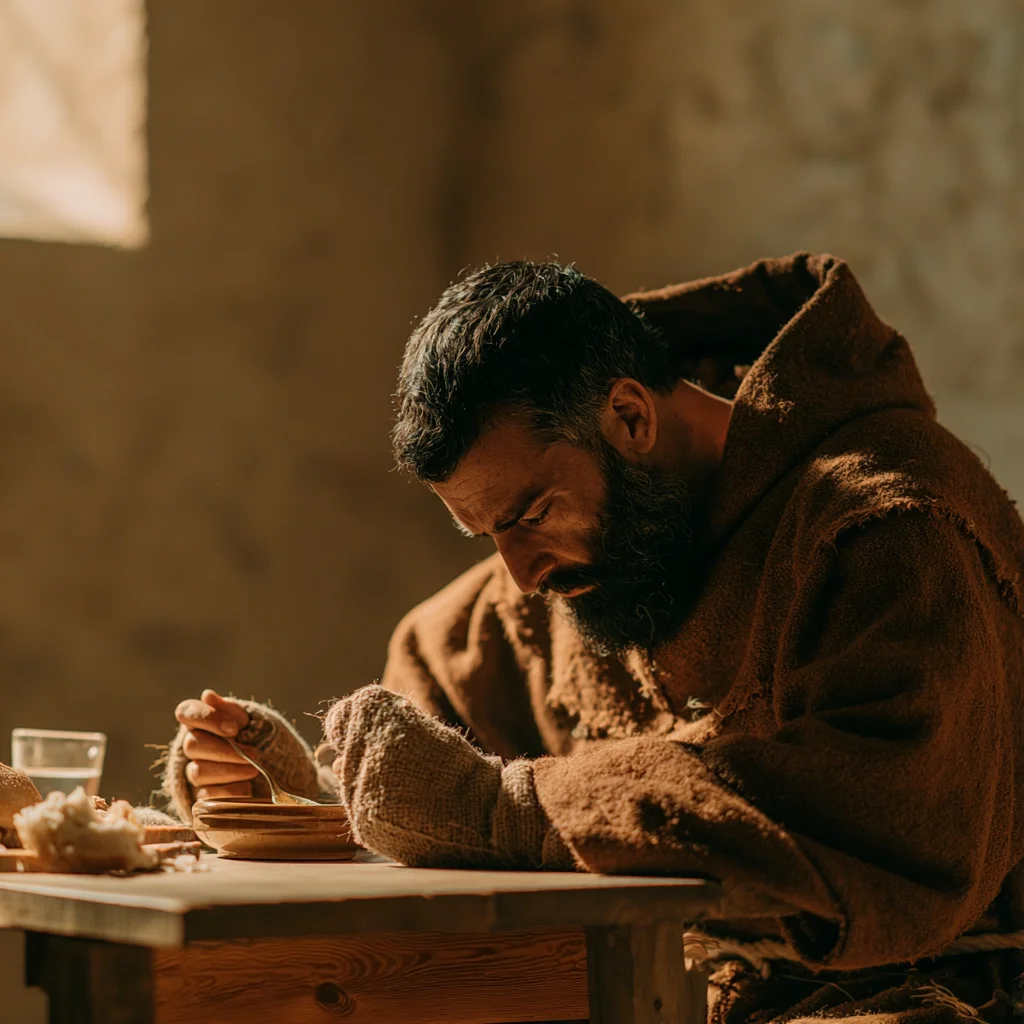
Padre Pio wore fingerless gloves for most of his adult life to cover the marks on his hands, and still the wounds were an open secret — visible, documented, examined repeatedly by physicians who could offer no medical explanation for them. He is, by most accounts, the most thoroughly investigated stigmatic in the history of the Church, scrutinized not only by scientists but for years by the Vatican itself, before being declared a saint in a ceremony that drew one of the largest crowds in the history of papal canonizations.
Quick Facts: Who Was Saint Padre Pio?
A quick reference guide to the essential facts, dates, and details surrounding the life and ministry of Saint Padre Pio.
-
Francesco Forgione, an Italian Capuchin Franciscan friar known as Padre Pio
-
A twentieth-century mystic who bore the visible wounds of Christ's crucifixion for nearly fifty years and devoted enormous hours to the confessional
-
Pietrelcina, his birthplace, and San Giovanni Rotondo, where he spent most of his priestly life
-
1887–1968
-
Because a friar marked, visibly and for decades, by the wounds of the crucifixion became, at the same time, one of the most sought-after confessors of the modern era
Early Life and Ordination in Pietrelcina
Francesco Forgione was born to a farming family in Pietrelcina, in the Campania region of southern Italy, and entered the Capuchin novitiate as a teenager, taking the name Pio after the patron saint of his home parish. He was ordained a priest in 1910, a frail young man whose health would remain fragile for much of his life even as the intensity of his spiritual experience only grew.
A brief, private experience of the stigmata is reported as early as 1910, not long after his ordination, though it did not last and remained known only within a small circle. What followed instead were years of illness, wartime military service cut short by his poor health, and a slow return to full-time religious life at the friary of Our Lady of Grace in San Giovanni Rotondo — the place that would define the rest of his life.
What Was the Stigmata of Padre Pio?
On September 20, 1918, while praying before a crucifix, Padre Pio received the stigmata a second time — and this time it did not fade. Wounds appeared on his hands, feet, and side, matching the crucifixion of Christ, and they remained open and bleeding for the rest of his life, nearly fifty years, healing only shortly before his death.
Physicians examined the wounds repeatedly over the decades, and none produced a medical explanation that satisfied the scrutiny the case received. Padre Pio himself rarely spoke about the wounds directly and seemed, by most accounts, uncomfortable with the attention they drew, wearing fingerless gloves in an attempt at some measure of ordinary privacy that fifty years of pilgrims made almost impossible to maintain.
Miracles and Spiritual Gifts: Reading Souls and Bilocation
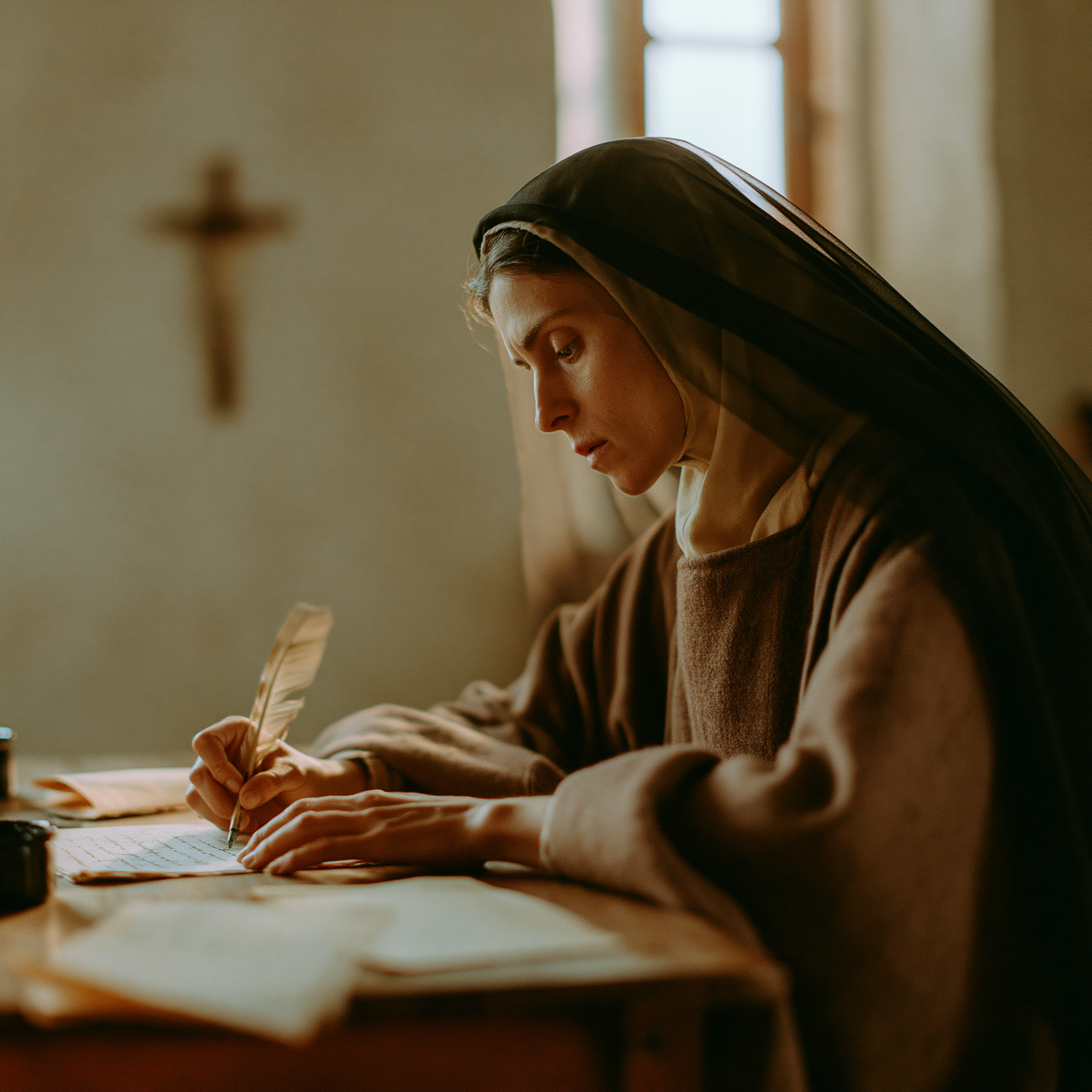
What consumed most of Padre Pio's actual daily life was not the stigmata but the confessional. Pilgrims traveled from around the world to confess to him, and by his later years he was spending something on the order of ten to nineteen hours a day hearing confessions, a schedule that would have exhausted a man in perfect health, let alone one who had carried open wounds for decades.
Alongside the sheer volume of his confessional ministry, popular testimony attributes to him an unusual supernatural insight — the ability to perceive sins a penitent had failed to confess, or hidden details of a person's life, without being told. Devotees also report incidents of bilocation, apparent appearances in two places at once, and other phenomena that circulated widely during his lifetime and after. None of this is formally defined Church doctrine; it belongs to the realm of popular testimony and reported experience, which the Church treats with real interest but does not require the faithful to accept as a condition of belief.
Vatican Investigations and Restrictions on Padre Pio
Padre Pio's extraordinary reputation did not spare him from serious institutional scrutiny — in some ways it guaranteed it. Concerned about the authenticity of his phenomena and the intensity of the following building around him, the Vatican investigated him repeatedly across his life, and at various points restricted aspects of his public ministry, including limits on celebrating Mass publicly and hearing confessions, along with monitoring of his correspondence.
It is an important and often underplayed part of his story. The Church that would eventually canonize Padre Pio also spent significant years doubting him, restricting him, and subjecting him to the kind of sustained institutional caution it applies to any claim of extraordinary supernatural experience. His later full vindication does not erase that history — if anything, it makes the eventual canonization more significant, arrived at only after decades of the Church's own careful, skeptical discernment rather than in spite of it.
The Casa Sollievo della Sofferenza Hospital
Padre Pio's legacy was not confined to mystical phenomena. In 1956, after years of fundraising and planning, he opened the Casa Sollievo della Sofferenza — the Home for the Relief of Suffering — a major hospital in San Giovanni Rotondo that remains in operation today. It stands as the most concrete, practical expression of a ministry otherwise defined by the invisible and the extraordinary: a friar covered in unexplained wounds, insisting that the suffering around him deserved not just prayer but modern medical care.
Catholic Perspective: Suffering, Confession, and Discernment
To understand Padre Pio is to understand how the Catholic tradition views the mysteries of grace and human endurance. Beyond the visible signs lies a deeper theology of redemption, institutional discernment, and the quiet dignity of the sacraments.
-
The Church has long taught that suffering, united to the suffering of Christ, can become spiritually fruitful rather than simply endured — a theology of redemptive suffering that Padre Pio's own life embodied about as literally as any modern saint's has. He carried physical wounds that mirrored Christ's own for decades, and by his own account and that of those close to him, understood them not as a burden to escape but as a share in Christ's Passion offered for others.
-
Padre Pio's decades of investigation are worth holding onto precisely because they complicate any easy picture of instant, uncomplicated sanctity. The Church's caution around him was not persecution; it was the same discernment process applied, with real seriousness, to any reported mystical phenomenon, meant to protect both the faithful and the individual concerned from premature or mistaken claims. That the process eventually concluded in canonization says as much about the rigor of the process as it does about Padre Pio himself.
-
Perhaps Padre Pio's most durable legacy is the least supernatural one: an ordinary sacrament, treated with such seriousness and such enormous personal cost that it drew people from across the world. In an era when confession has often become one of the least practiced sacraments, his example stands as a reminder of how central and how transformative the Church has always considered it to be.
Physicians examined the wounds repeatedly over the decades, and none produced a medical explanation that satisfied the scrutiny the case received.
Why Is Saint Padre Pio Still Important Today?
Padre Pio's life resists easy summary because it holds together things that do not usually sit comfortably in the same story: extraordinary, unexplained physical wounds and an utterly ordinary hospital built out of practical concern for the sick; decades of Vatican suspicion and an eventual canonization before one of the largest crowds in papal history; hours spent apparently reading the hidden sins of strangers, and just as many hours spent on the unglamorous, repetitive work of hearing confession after confession, day after day, for most of his adult life.
What ties it together is a single, consistent posture: total availability to suffering, his own and everyone else's, sustained for decades without complaint or explanation. He remains one of the most visited and most beloved saints of the modern era not because his story is easy to categorize, but because it insists, more literally than almost any other saint's, that Christ's wounds and Christ's mercy were never meant to be separated from each other.