Saint Anthony of Padua: The Life, Legacy, and Miracles of the Saint Who Finds What Is Lost
Feast Day: June 13 (the day of his death)
Also Known As: Fernando Martins de Bulhões (birth name); the Hammer of Heretics; Doctor Evangelicus
Born / Died: c. 1195, Lisbon, Portugal — June 13, 1231, Padua, Italy, at around 35 years old
Doctor of the Church: Declared “Doctor Evangelicus” (Evangelical Doctor) by Pope Pius XII in 1946
Canonized: May 30, 1232, by Pope Gregory IX — less than a year after his death, one of the fastest canonizations in Church history
Patronage: Lost items and lost people; the poor; travelers, sailors, and fishermen; Portugal
Major Shrine: The Basilica of Saint Anthony, Padua, Italy
Nobody was supposed to hear him preach that day.
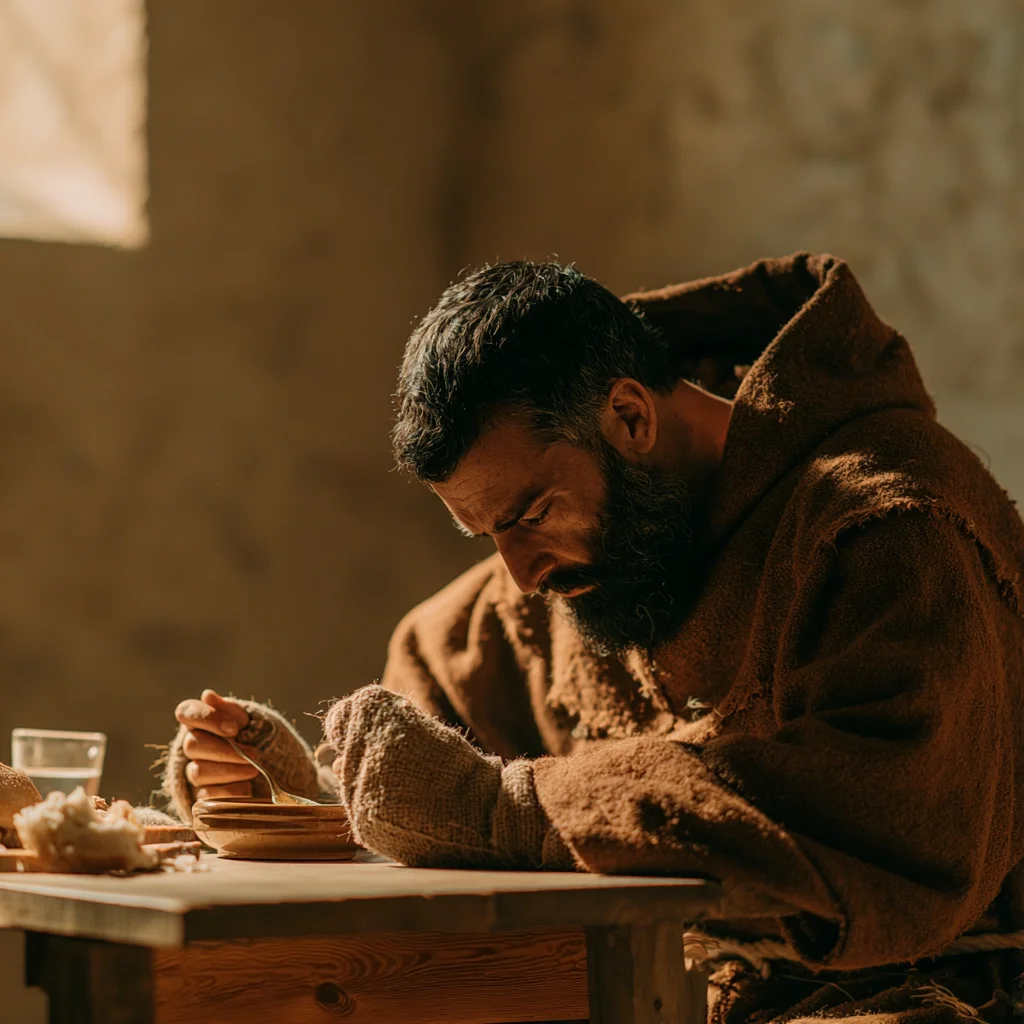
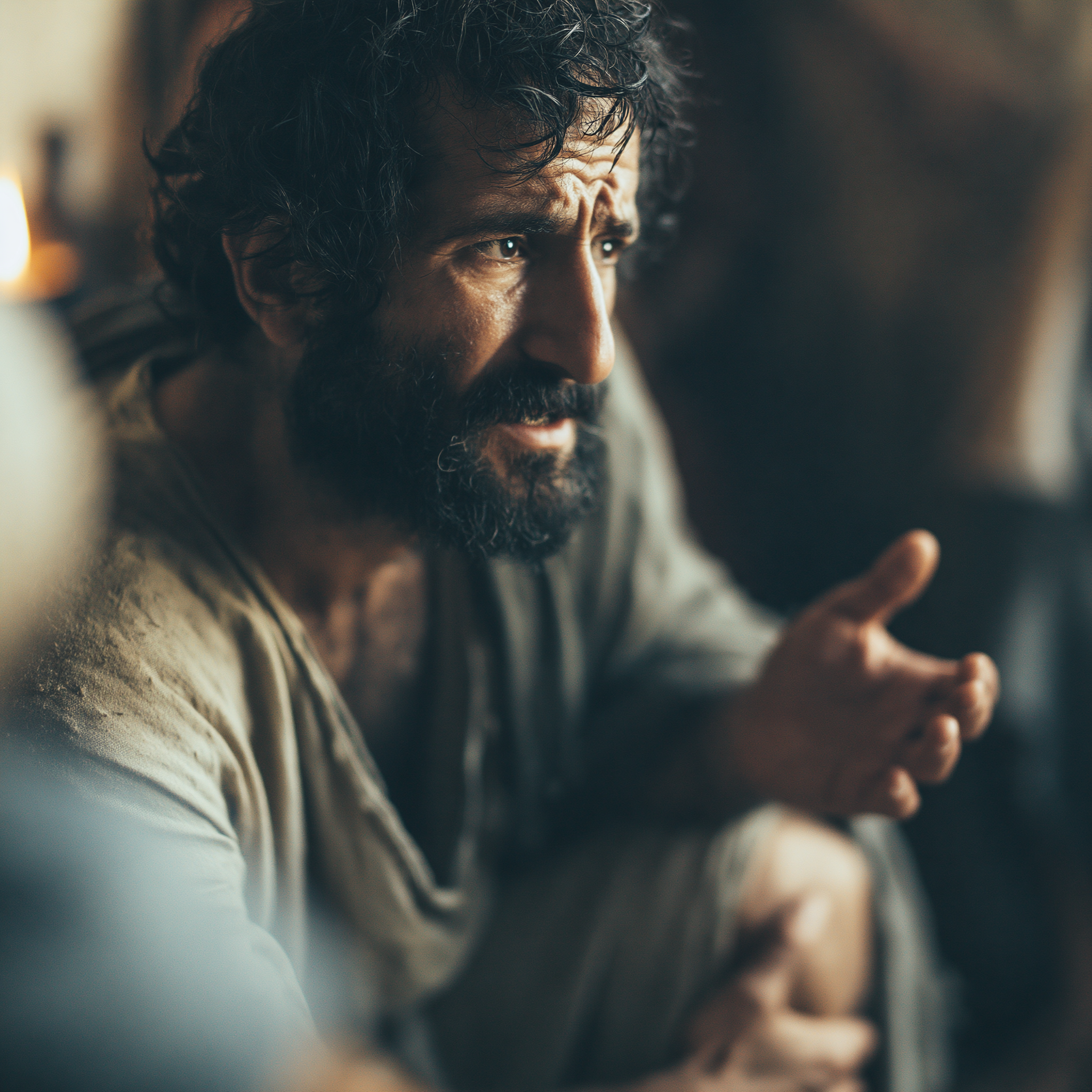
A group of Dominican and Franciscan friars had gathered in Forlì for an ordination, and whoever was meant to deliver the sermon had failed to prepare one. In the awkward silence that followed, the local superior turned to a quiet Portuguese friar in the back — a man the community mostly knew for washing dishes and had assumed, based on his humility, had little formal education — and told him to say whatever the Holy Spirit put on his heart.
What came out astonished everyone in the room. Fluent, learned, saturated in Scripture, delivered with an ease that suggested years of hidden preparation rather than a moment of improvisation. The friars had no idea they had been living alongside one of the best-educated men in Europe. Within a matter of years, that same reluctant preacher would be filling public squares with tens of thousands of listeners, and within seven centuries, the Church would give him one of its rarest honors: the title of Doctor of the Church.
At a Glance: Key Facts About Saint Anthony of Padua
Long before he filled public squares with thousands or became the voice believers invoke for everyday losses, Fernando Martins lived in quiet obscurity—a scholar disguised as a humble kitchen friar. To understand the miracle worker of Padua, it helps to begin with the quiet facts that shaped his unlikely journey. Here is Saint Anthony of Padua at a glance.
-
Fernando Martins de Bulhões, a Portuguese-born Franciscan friar who became Saint Anthony of Padua
-
One of the most celebrated preachers in Church history, declared a Doctor of the Church for the depth and clarity of his scriptural teaching
-
Born in Lisbon, Portugal; ministered chiefly in Italy and southern France; died near Padua
-
c. 1195–1231
-
Because a friar known mainly for humble chores turned out to carry a gift for preaching so effective the Church still calls him the Hammer of Heretics
From Lisbon to the Franciscans: Fernando Martins and the Call to Mission
Fernando Martins de Bulhões was born into a noble family in Lisbon around 1195 and entered religious life young, joining the Canons Regular of Saint Augustine, where he received a rigorous theological education steeped in Scripture and the Church Fathers. It was a formation that would shape everything he did afterward, even though almost no one around him would recognize it for years.
Everything changed in 1220, when the relics of five Franciscan friars, recently martyred while preaching in Morocco, were brought back to Portugal. Fernando was moved by their example and asked to leave the Augustinians for the young, still-forming Franciscan order, hoping for the chance to preach to Muslims himself — and, if it came to it, to be martyred the same way. He took the name Anthony upon joining, after the hermit Anthony of Egypt to whom the Franciscan chapel he entered was dedicated.
Blown Off Course: The Storm That Led Saint Anthony to Italy
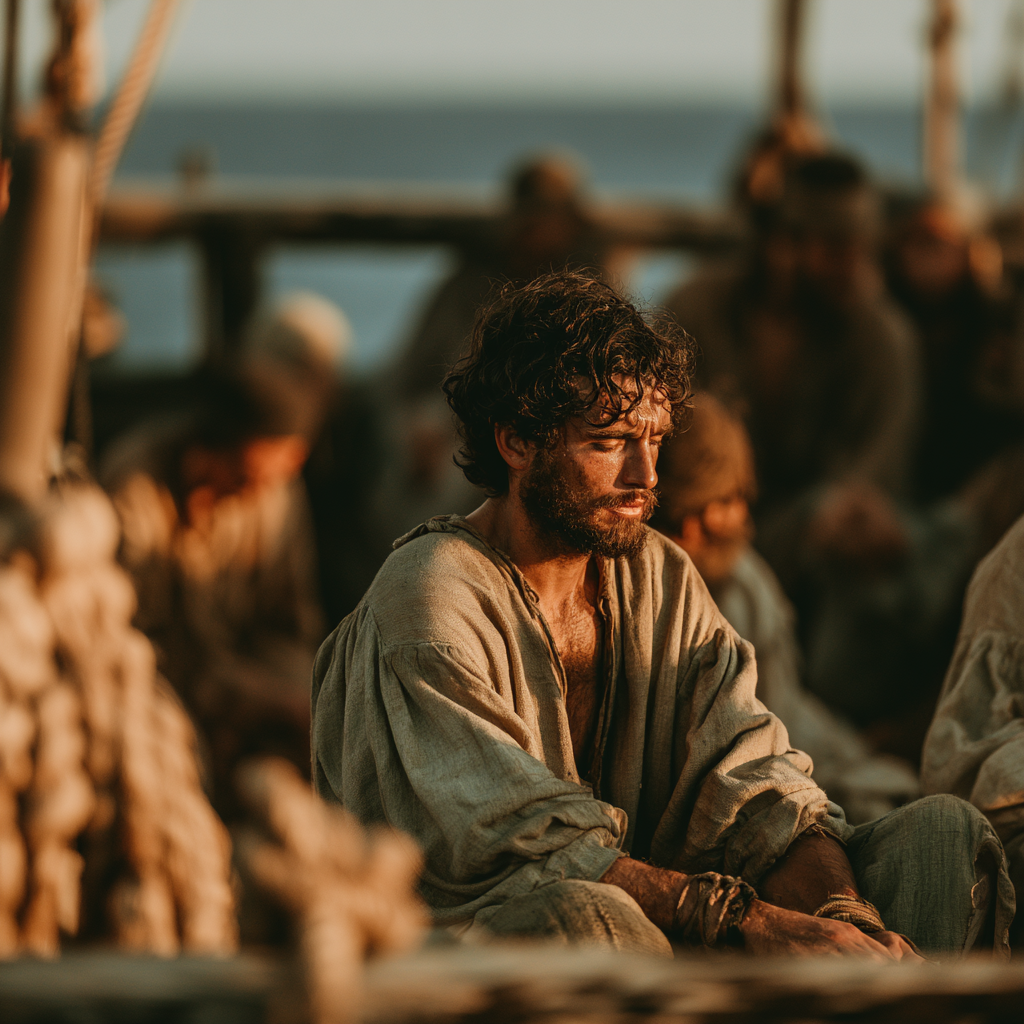
Anthony got his wish to sail for Morocco, and the mission failed almost immediately. He fell seriously ill shortly after arriving and had to turn back for Portugal. The ship carrying him never made it home; a storm drove it off course and left him, sick and far from where he intended to be, on the shores of Sicily instead.
It did not look like providence at the time. It looked like a failed mission and a ruined plan. But the detour brought him into contact with the Franciscan community in Italy, and from there to the general chapter of the order in Assisi, where Francis of Assisi himself was reportedly still living. Anthony asked to be assigned somewhere quiet, and was sent to a hermitage near Forlì, to a life of prayer, manual labor, and very little visibility — exactly the kind of obscurity that was about to end without warning.
The Sermon Nobody Expected: The Accidental Preacher of Forlì
The ordination at Forlì, and the sermon Anthony was asked to give with no preparation, changed the direction of his life within a single afternoon. His superiors, startled by what they had just heard, immediately redirected him away from kitchen work and toward preaching, and Anthony spent the rest of his short life almost constantly on the road, teaching, and disputing.
What made him effective was not showmanship. Contemporary accounts describe a preacher whose sermons were saturated with Scripture, delivered with clarity rather than ornament, aimed squarely at moving ordinary people toward repentance and a more serious Christian life. It was the same Augustinian theological formation that had gone unnoticed for years, finally given the audience it had been prepared for all along.
The Hammer of Heretics: Saint Anthony’s Preaching in Italy and France
Anthony's preaching career took him through Italy and southern France at a moment when heretical movements, notably Catharism, had taken deep root in parts of Europe, and his sermons became one of the Church's most effective responses — not through condemnation alone, but through clear, compelling teaching that drew people back toward orthodox belief. It earned him the title, still used today, of the Hammer of Heretics.
The crowds that gathered to hear him were, by the standards of the thirteenth century, enormous — accounts describe shops closing and towns emptying into public squares when word spread that Anthony was going to preach. It is the kind of detail that is easy to read as exaggeration, and probably is exaggerated in places, but the underlying reality is not in serious dispute: within a few years of that accidental sermon at Forlì, Anthony had become one of the most sought-after preachers in Christendom.
Preaching to the Fish: The Miracle and Legends of Rimini
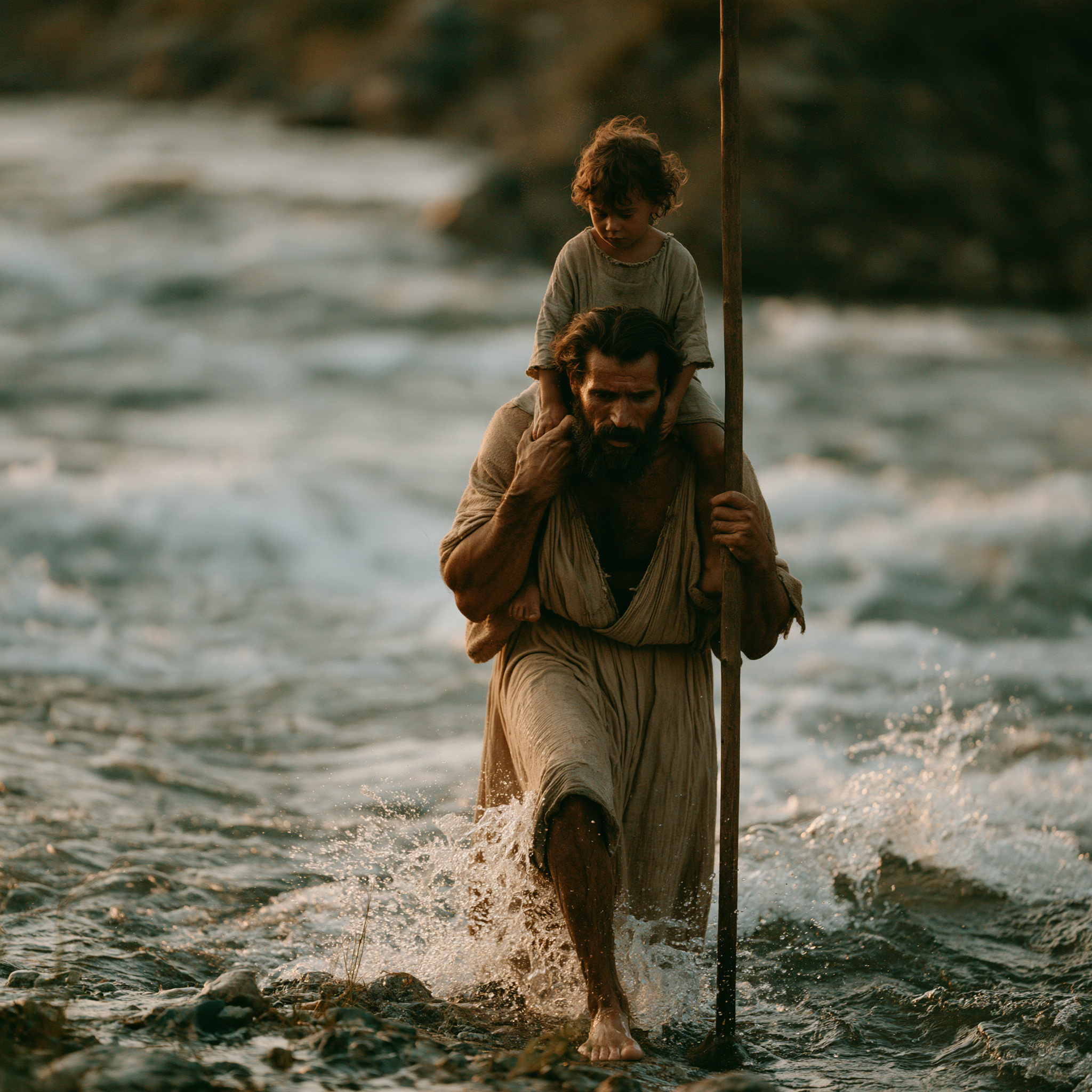
One of the most enduring legends from Anthony's preaching career comes from Rimini, where tradition holds that the local population refused to listen to him, hardened against his teaching. Rather than give up, Anthony reportedly walked to the shore and began to preach to the fish gathered in the water instead — and the fish, the story goes, raised their heads above the surface and listened.
Whatever actually happened at Rimini, the story has endured for the same reason so many Anthony legends have: it captures something true about him even where the literal details are uncertain — a preacher who would not be discouraged by an audience that refused to hear him, and who found, again and again, that creation itself seemed to respond where people would not.
The Catholic Perspective: Saint Anthony as Patron of Lost Things and the Poor
To look at Saint Anthony through the eyes of the Church is to watch an extraordinary metamorphosis unfold. Centuries after a reluctant friar stepped forward to speak at Forlì, Catholic tradition transformed his quiet scholarship and public fire into an enduring refuge—honoring him not merely as a formidable Doctor of the Church, but as a trusted companion for ordinary believers in their moments of daily need.
-
When Pope Pius XII declared Anthony a Doctor of the Church in 1946, he gave him the specific title Doctor Evangelicus — the Evangelical Doctor — recognizing not abstract theological system-building but a gift for making the Gospel land clearly and practically in the lives of ordinary listeners. Among the Church's Doctors, Anthony is remembered less for original doctrine and more for communication: taking a rich theological formation and making it usable by people who had never studied theology at all.
-
Anthony's enormous popular devotion today rests heavily on a much smaller, more domestic legend than his sermons to enormous crowds. Tradition holds that a novice once left the community taking with him a psalter Anthony had annotated and valued deeply, and that after Anthony prayed for its return, the novice was moved — in some versions of the story, by a frightening vision — to bring it back. From that small story grew one of the most widely practiced devotions in the Catholic world: asking Saint Anthony's help finding whatever has gone missing, from house keys to far graver losses.
-
Devotion to Anthony also carries a strong charitable dimension, known as Saint Anthony's Bread — the practice of giving alms or bread to the poor in thanksgiving for favors received through his intercession. It traces to a legend of a child restored to life after a promise to give the poor bread equal to the child's weight, and it remains an active charitable practice in parishes and shrines dedicated to him today.
-
When Anthony's body was exhumed decades after his death, his remains had returned to dust with one notable exception: his tongue was found still intact. Franciscan tradition holds that Saint Bonaventure, present at the exhumation, held it up and addressed it directly, marveling at the tongue that had spoken so much of God. The relic remains preserved and venerated at the Basilica of Saint Anthony in Padua — a physical reminder that Anthony's entire legacy rests, in the end, on what he said and how he said it.
The friars had no idea they had been living alongside one of the best-educated men in Europe — until the day no one else was ready to preach.
Why Saint Anthony Still Matters: The Grace of Hidden Preparation
Anthony's life covers barely thirty-five years and almost none of it looks remarkable until a single unplanned sermon changes everything. He is a patron saint, in a sense, of hidden preparation — of formation and discipline that goes unnoticed for years until the moment it is finally needed, and then proves more than sufficient.
He is remembered today by millions of ordinary Catholics mainly for a small, homely favor: help finding what has been lost. It is, on the surface, a strange legacy for a man once called the Hammer of Heretics, capable of drawing tens of thousands into a public square. But it fits him more closely than it might first appear. Anthony's whole gift was making enormous truths available in ordinary, approachable terms — and there are few requests more ordinary, or more human, than asking for help finding something you cannot bear to have lost.