Saint Teresa of Ávila: The Life, Legacy, and Story of the Architect of the Interior Castle
Feast Day: October 15
Also Known As: Teresa Sánchez de Cepeda y Ahumada (birth name); Teresa of Jesus
Born / Died: March 28, 1515, Ávila, Spain — October 1582, Alba de Tormes, Spain (her death fell during Spain's transition from the Julian to the Gregorian calendar)
Doctor of the Church: Declared in 1970 by Pope Paul VI — the first woman, alongside Catherine of Siena, ever given the title
Canonized: March 12, 1622, by Pope Gregory XV
Founded: The Discalced Carmelites, beginning with the Monastery of Saint Joseph in Ávila in 1562
Patronage: Spain (co-patroness); those suffering headaches; lace makers; Spanish writers
Major Works: The Book of Her Life; The Way of Perfection; The Interior Castle; The Book of Foundations
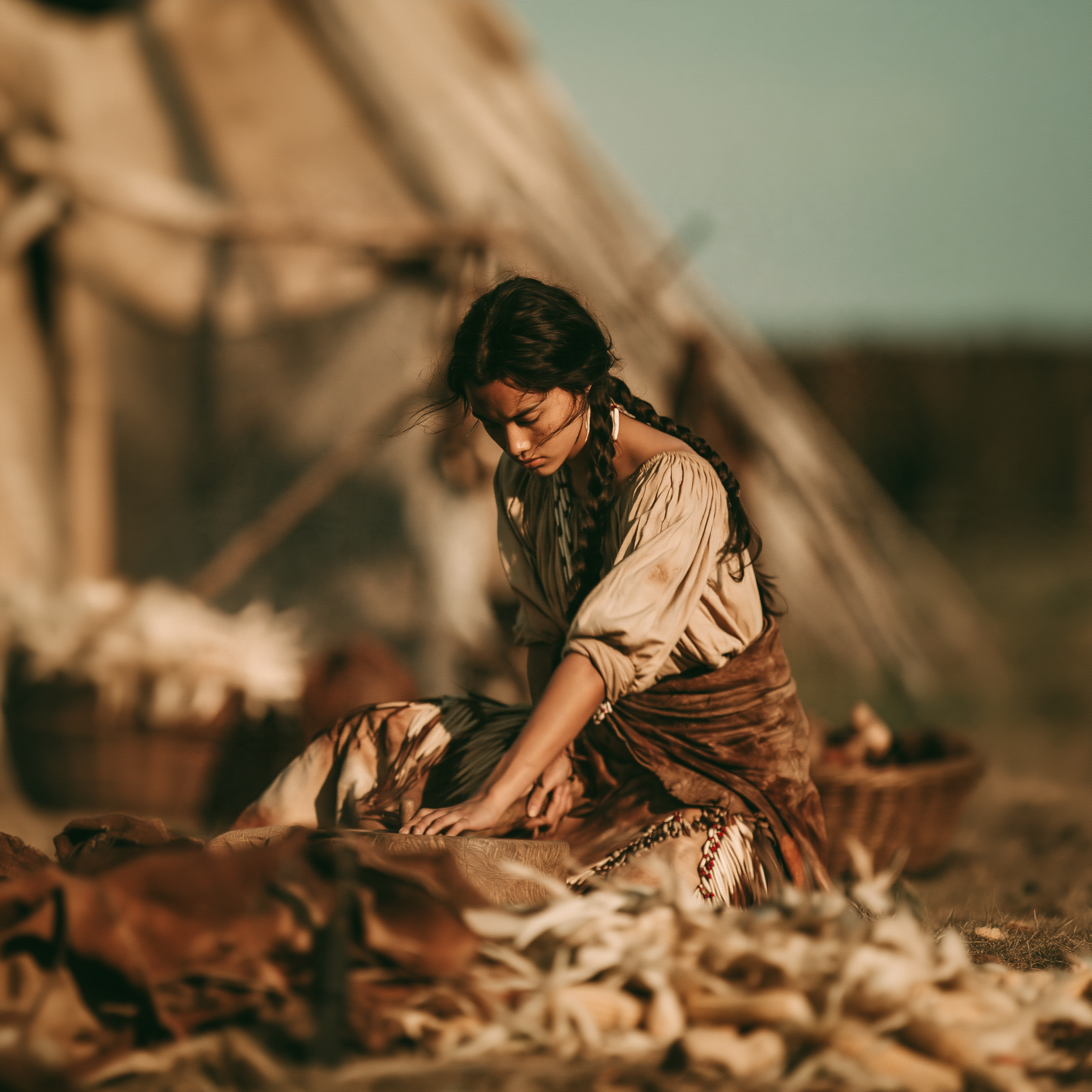
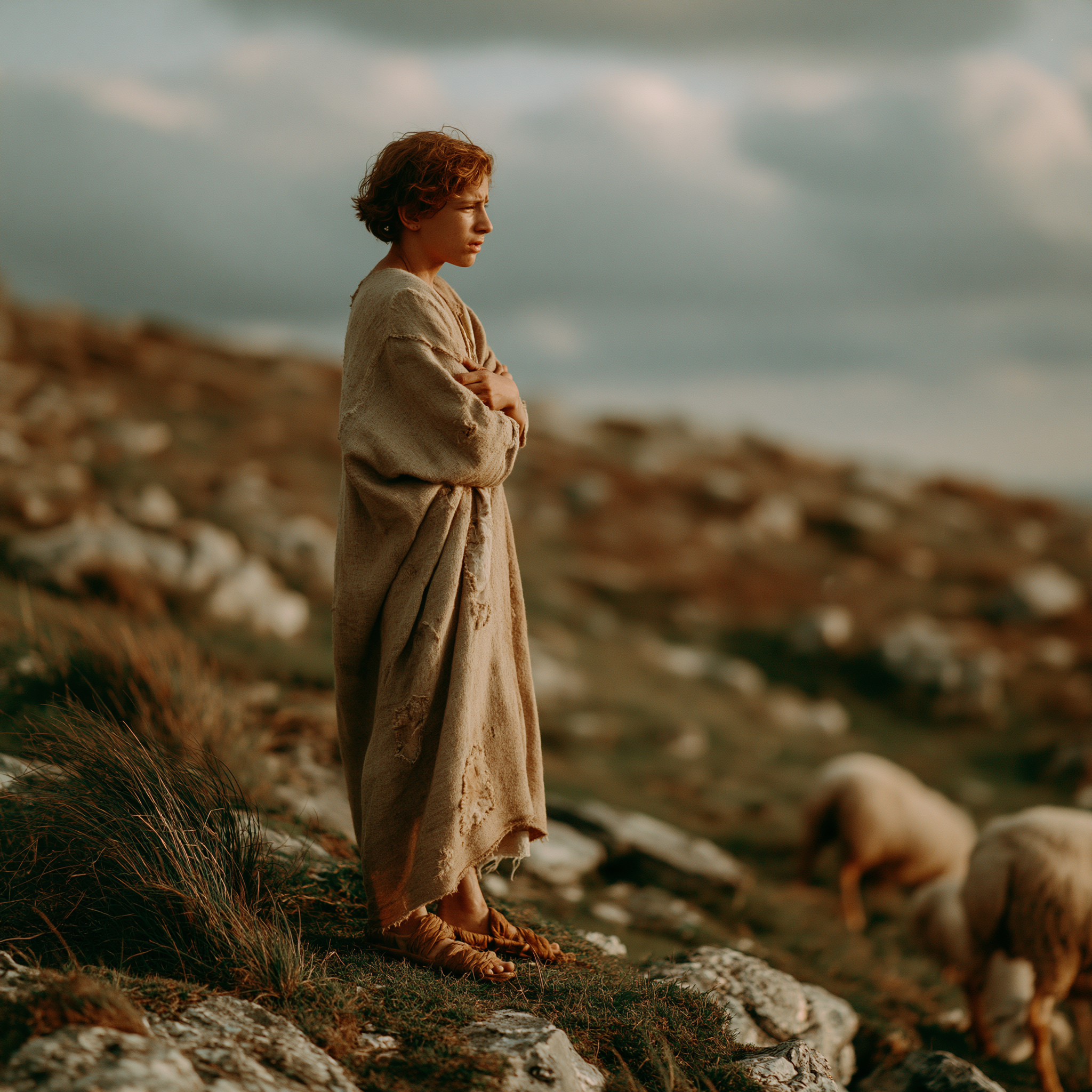
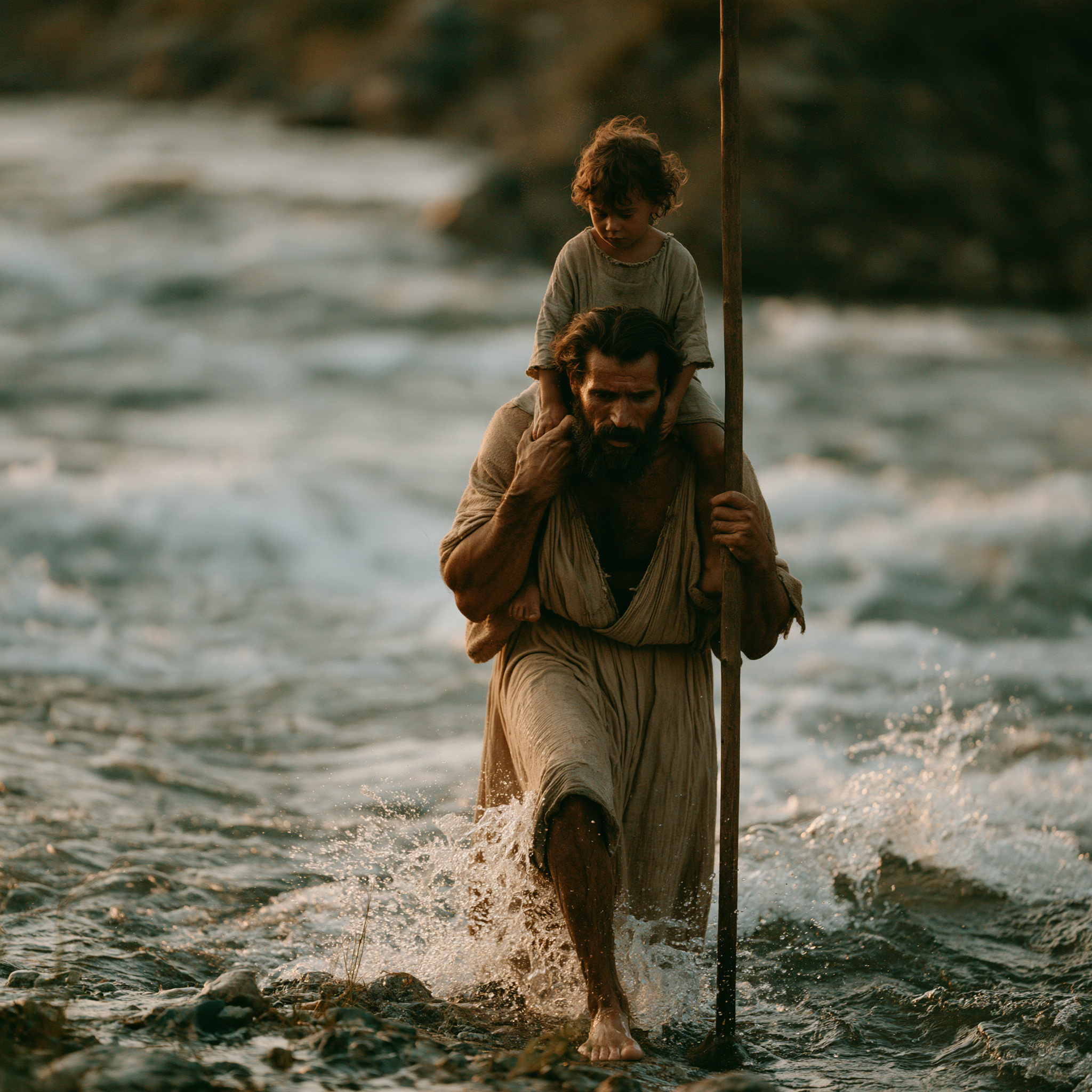
As a child, Teresa tried to run away from home to get herself killed.
She was around seven years old, and she talked her younger brother Rodrigo into it: the two of them would slip away to Moorish territory, preach the Gospel, and be martyred for it, joining the saints whose lives they had been reading together. An uncle caught them still within sight of the city walls and marched them home. It is, on its surface, a story about a child's overactive imagination. It is also, in hindsight, an almost perfect preview of the woman Teresa would become — someone whose spiritual ambition consistently outran what was practical, and who kept acting on it anyway.
At a Glance: Key Facts About Saint Teresa of Ávila
Long before she transformed the Carmelite order, seven-year-old Teresa was already trying to run away from home to become a martyr in Moorish territory. Before stepping into the decades of quiet struggle and spiritual intensity that followed, here is a foundational look at the timeline, patronage, and historical framework of the Church’s first female Doctor. Here is Saint Teresa of Ávila at a glance.
-
Teresa Sánchez de Cepeda y Ahumada, a Spanish Carmelite nun, mystic, and reformer
-
The founder of the Discalced Carmelites and one of the great writers on Christian prayer, declared a Doctor of the Church for her teaching
-
Ávila, Spain, and the convents she founded across Spain during her reform of the Carmelite order
-
1515–1582
-
Because a woman known for extraordinary mystical experience insisted, against real institutional resistance, on translating that experience into practical, lasting reform
Twenty Ordinary Years: Early Life and the Carmelite Monastery of the Incarnation
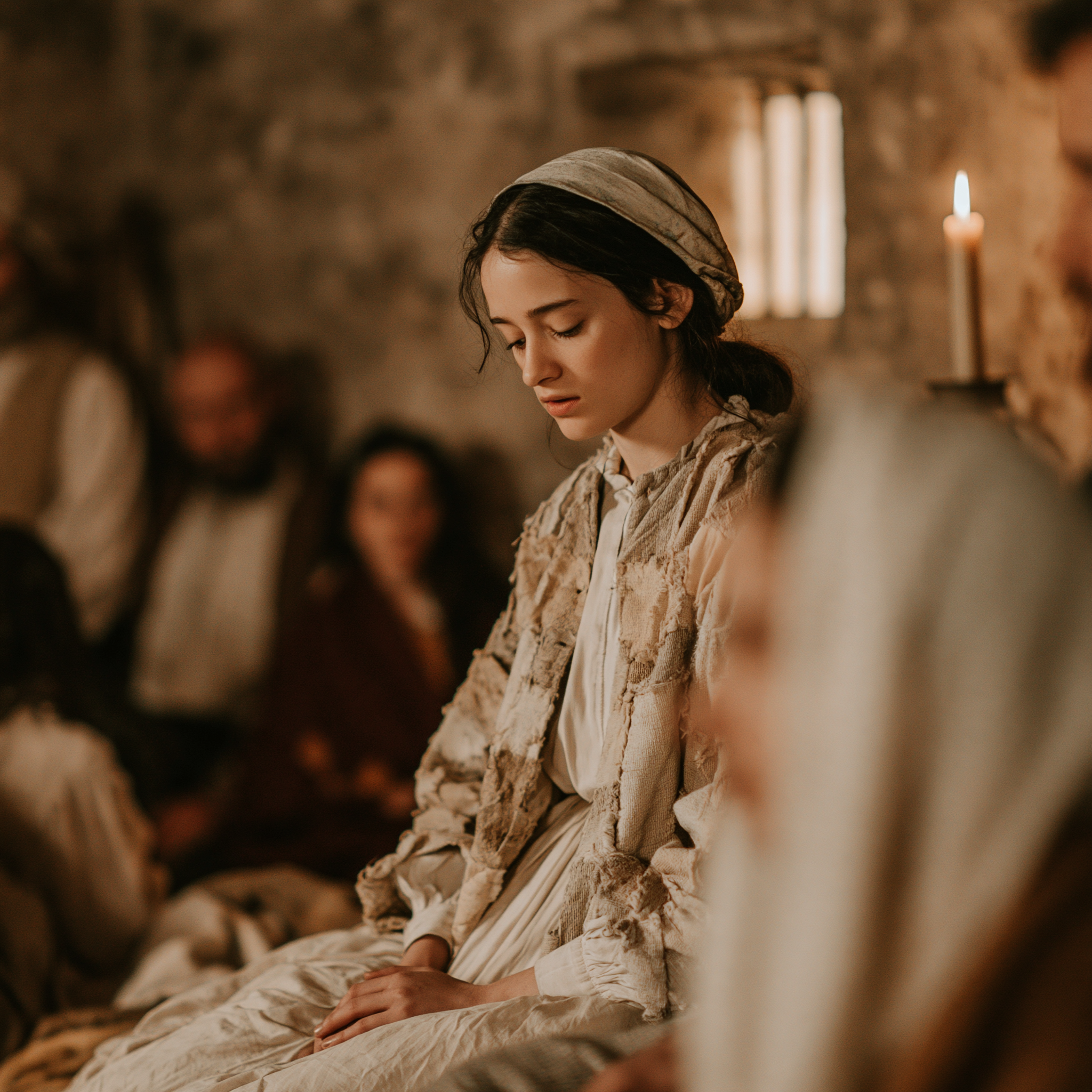
Teresa entered the Carmelite Monastery of the Incarnation in Ávila in 1535, against her father's initial wishes, and professed as a nun two years later. Her family carried a complicated history beneath its respectable surface: her paternal grandfather was a Jewish convert to Christianity who had been investigated and punished by the Spanish Inquisition, a fact the family worked to keep quiet in a society deeply preoccupied with blood purity. It shaped the pressures Teresa grew up under in ways she rarely addressed directly in her own writing, but that modern historians consider significant to understanding her world.
A severe illness in her first years of religious life left her partially paralyzed for a time, and she attributed her eventual recovery to the intercession of Saint Joseph — the beginning of a devotion to him that would remain central to her spirituality for the rest of her life. But for roughly two decades after her recovery, Teresa lived what she later described, with real discomfort, as an unremarkable religious life. The Incarnation was a large, comparatively relaxed community; nuns from wealthy families kept personal belongings, received frequent visitors, and observed a rule softened well past what the order's founders had originally intended. Teresa lived inside that comfort for years, increasingly unsettled by the gap between the intensity of the interior life she sensed was possible and the mild, sociable routine she was actually living.
The Wounded Christ: Second Conversion and Mystical Prayer
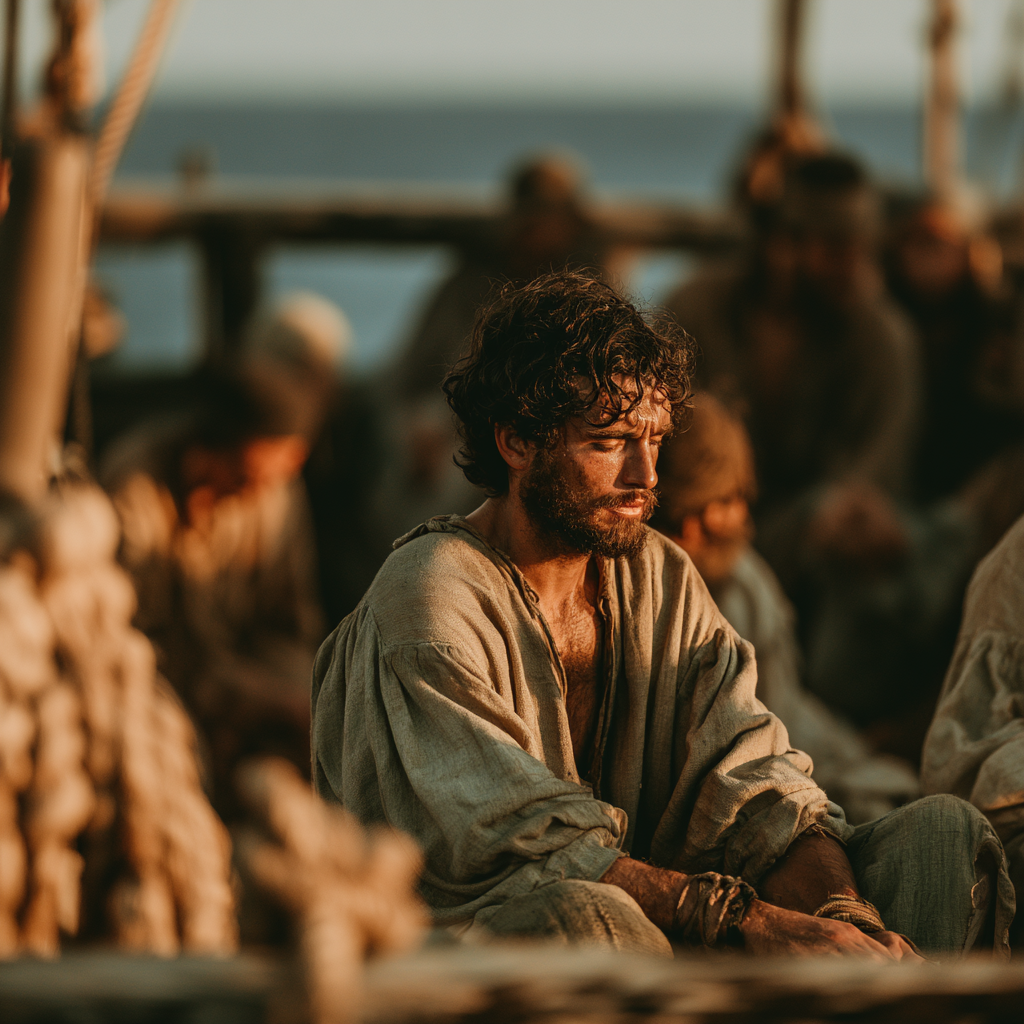
The turning point came in her late thirties, in front of an image she happened to encounter in the monastery: a statue of Christ, bound and covered in wounds, brought in for a feast day. Teresa describes being overwhelmed by the sight of it, struck by how little her own tepid devotion had reflected what that suffering deserved. She fell to her knees in tears and begged for the strength never to offend God again.
She later called it a genuine second conversion, the moment her spiritual life stopped being comfortable and became something she pursued with total seriousness. Intense experiences of prayer followed in the years afterward — visions, interior locutions, states of absorption so complete that other nuns reportedly found her unresponsive to the world around her during them. It was a level of mystical experience unusual enough that it drew both admiration and real suspicion in an era when the Spanish Church, wary of false mysticism, was watching such claims very closely.
The Transverberation: The Pierced Heart and Bernini’s Ecstasy
The single most famous of Teresa's mystical experiences came to be known as the Transverberation — a vision in which she saw an angel, or seraph, carrying a long golden spear tipped with fire, who plunged it repeatedly into her heart. She described the pain as so sharp it drew moans from her, and yet so sweet she had no desire for it to end, leaving her, she wrote, completely afire with a great love of God.
The image proved unforgettable enough that it crossed centuries and mediums entirely: the Italian sculptor Gian Lorenzo Bernini rendered the scene roughly a hundred years later in marble, in the Ecstasy of Saint Teresa, one of the most celebrated works of Baroque sculpture in Rome. Few mystical accounts by any saint have left as vivid or as lasting an artistic afterimage.
Barefoot Reform: Founding the Discalced Carmelites and John of the Cross
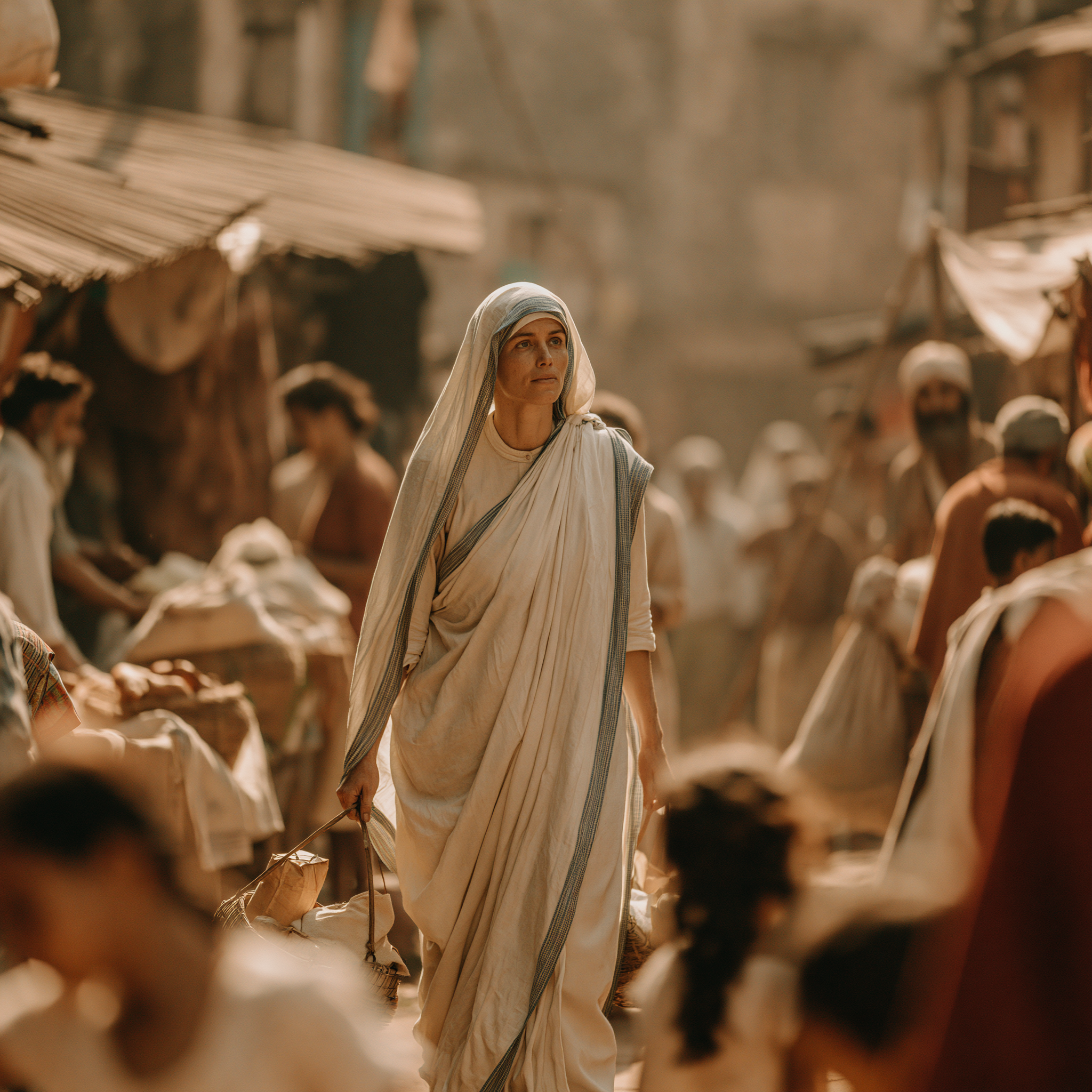
Mystical experience alone did not satisfy Teresa. Convinced the Carmelite order had drifted too far from its founding intensity, she resolved to found a new house that would return to a stricter, more contemplative observance — smaller, poorer, and far more enclosed than the Incarnation she had lived in for two decades. In 1562, she opened the Monastery of Saint Joseph in Ávila, the first house of what became known as the Discalced Carmelites, named for the plain sandals the reformed nuns wore in place of shoes, itself a small daily sign of the poverty at the center of the whole project.
The opposition was immediate and serious. Local civic and religious authorities objected, some members of her own order saw the new foundation as an implicit rebuke, and Teresa's mystical claims drew the attention of the Spanish Inquisition at a moment when unauthorized visionary experience, especially from women, was treated as a genuine danger rather than a curiosity. She was investigated and ultimately cleared, and went on, over the following two decades, to found more than a dozen additional Discalced Carmelite convents across Spain, traveling constantly and often in poor health, the demanding record of which she preserved in her own account, The Book of Foundations. She found an essential partner for extending the reform to the male branch of the order in a young friar named John of the Cross, whose own mystical writing would eventually earn him the same rare title Teresa was later given: Doctor of the Church.
The Interior Castle: Seven Mansions and Major Written Works
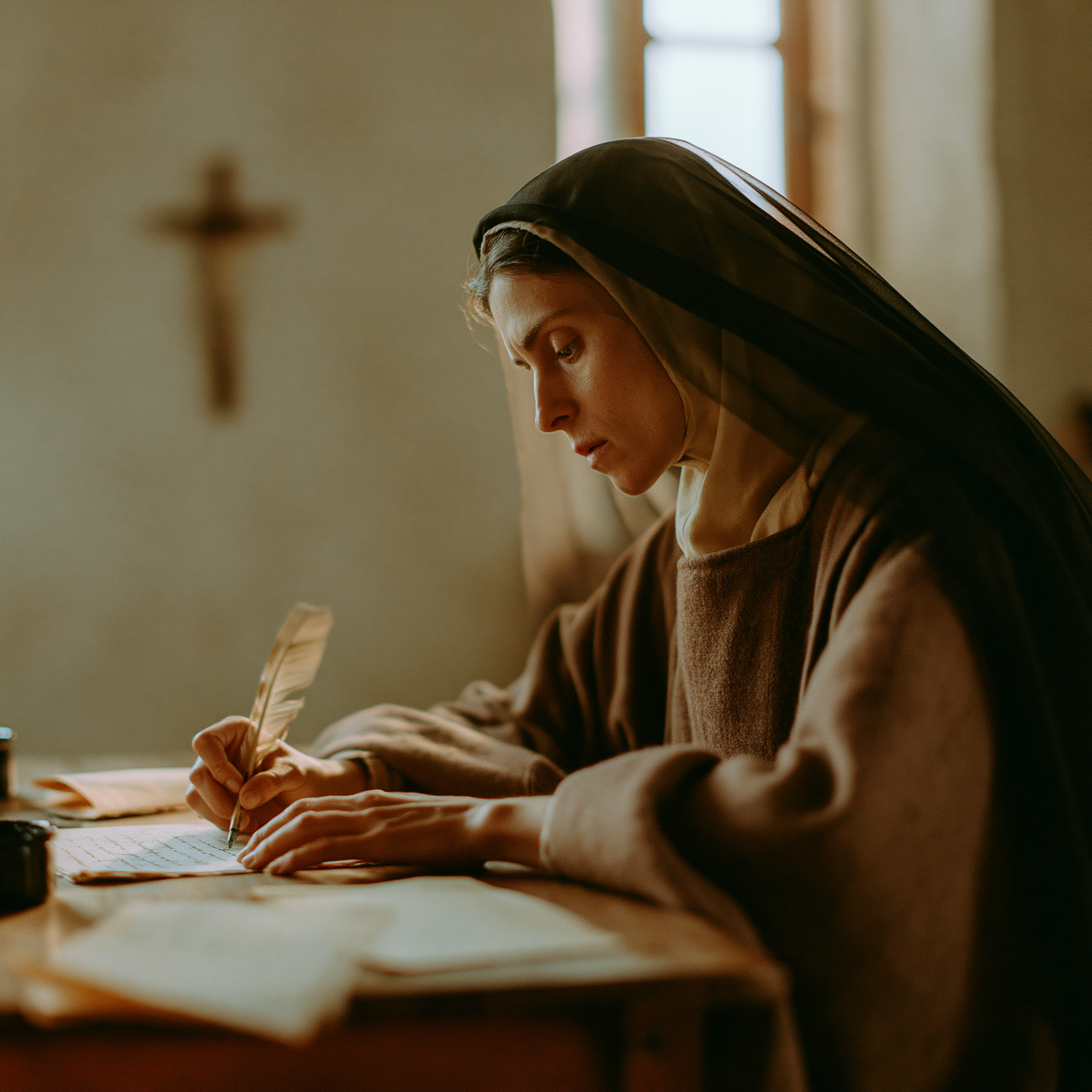
Teresa's writing came almost entirely out of obedience rather than personal ambition — she wrote because confessors and superiors asked her to, often reluctantly, often insisting she had nothing worth saying. What she produced instead became foundational to Catholic spiritual theology. The Book of Her Life recounts her own spiritual journey in unusually candid terms. The Way of Perfection was written directly for her nuns, walking through the practice of prayer step by step. Her masterpiece, The Interior Castle, written in 1577, imagines the soul as a crystal castle containing seven concentric “mansions,” each drawing the person praying closer to a final union with God dwelling at the center — a structure at once systematic and intensely personal, built from her own decades of experience rather than borrowed theology.
The Catholic Perspective: First Female Doctor of the Church and Carmelite Spirituality
To view Saint Teresa through the lens of Catholic tradition is to discover how a woman’s intense interior prayer reshaped the Church from the inside out. When Pope Paul VI declared her the first female Doctor of the Church in 1970, he acknowledged what Carmelite spirituality had known for four centuries: that true mysticism is never detached from reality, but serves as the very engine for active love and renewal.
-
In 1970, Pope Paul VI declared Teresa a Doctor of the Church, alongside Catherine of Siena — the first time the Church had ever given the title to a woman, let alone two at once. The honor recognized what her writing had already demonstrated for four centuries: a systematic, reliable, deeply practical account of how ordinary prayer can develop into genuine union with God, grounded entirely in her own lived experience rather than academic theology.
-
What distinguishes Teresa from many mystics is that her interior experience never stayed only interior. Visions and ecstasies convinced her something needed to change, and she spent the next two decades of her life changing it — founding houses, writing rules, training superiors, defending the reform against real institutional resistance. The Church has long pointed to this combination, contemplative depth paired with tireless practical reform, as a model for how authentic mystical experience should actually function in a life, rather than remaining a private religious feeling with no consequence beyond itself.
-
The Discalced Carmelites Teresa founded remain an active contemplative order today, and her writings on prayer continue to be read well beyond Carmelite circles, studied by anyone seeking a serious, structured account of how the interior life of prayer actually develops over a lifetime.
The pain was so sharp it drew moans from her, and yet so sweet she had no desire for it to end.
Why Saint Teresa Still Matters: Mysticism Married to Institutional Action
Teresa's life resists the easy categories that mystics often get filed under. She was not a quiet visionary content to keep her experiences private, and she was not simply an efficient institutional reformer who happened to also pray seriously. She was both at once, each pushing the other forward — the ecstasies that drove her toward reform, and the discipline of reform that kept her mysticism from ever curdling into something merely private and self-focused.
Four and a half centuries later, The Interior Castle remains one of the clearest maps ever written of what a serious life of prayer can actually become, offered by a woman who insisted, against real resistance, that what happened in her own interior life mattered enough to change the institutions around her. Few saints demonstrate more clearly that the deepest mystical experience and the hardest practical work are not, in the end, in competition with each other.