Saint Gabriel the Archangel: Story, Scripture, and the Messenger of the Incarnation
Feast Day: September 29 (Saints Michael, Gabriel, and Raphael, Archangels)
Name Meaning: Hebrew for “God is my strength” or “strength of God”
Scripture: Appears in the Book of Daniel and the Gospel of Luke — most famously at the Annunciation to Mary
Title: Archangel; by his own words in Luke's Gospel, one who “stands before God”
Patronage: Messengers; broadcasters and telecommunications workers; postal workers — declared patron of telecommunications by Pope Pius XII in 1951
Companions: Venerated alongside Michael and Raphael as one of the three archangels named in Scripture
Every word that changed everything arrived first through a messenger.
Gabriel does not act on his own authority in Scripture. He explains visions he did not create, and delivers announcements he did not originate, always identifying himself as one who stands in God's presence rather than as a source of power in his own right. And yet the two announcements Scripture credits to him are among the most consequential words ever spoken to human beings — the promise of a forerunner who would prepare the way, and six months later, the news that God himself was about to become flesh.
Quick Facts: Who Is Saint Gabriel the Archangel?
Before God unfolds redemption in history, he sends a voice. Revered throughout Scripture as the messenger who stands in the divine presence, Saint Gabriel’s appearances mark cosmic turning points. Here are the essential facts of his biblical identity and enduring patronage.
-
Gabriel, one of the three archangels named in Scripture, alongside Michael and Raphael
-
God's messenger to the prophet Daniel and, most famously, to Mary at the Annunciation
-
The Book of Daniel places him in a vision by the river Ulai; Luke's Gospel sends him to the Jerusalem Temple and to Nazareth in Galilee
-
Appears in Daniel's prophetic visions and, centuries later, in the events immediately preceding the birth of Christ
-
Because the most decisive announcements in salvation history did not arrive as unmediated divine speech, but were entrusted to a messenger who introduces himself only as one who stands before God
Interpreting Daniel’s Prophecies: Gabriel’s First Biblical Appearance
Gabriel's first scriptural appearances come in the Book of Daniel, where he is sent to help the prophet understand visions that had left him confused and afraid. In one, Gabriel interprets a vision of a ram and a goat, explaining what it signifies for the future. In another, he delivers a dense, highly specific prophecy concerning seventy weeks of years, ending in language the Church has long read as pointing toward the coming of the Messiah.
In both appearances, Gabriel's role is fundamentally clarifying rather than commanding — called in to explain what Daniel has already seen but cannot understand on his own, functioning less like a warrior or a ruler and more like a trusted interpreter sent specifically to make sense of what God has already set in motion.
Zechariah and the Temple Sanctuary: A Priest Struck Silent
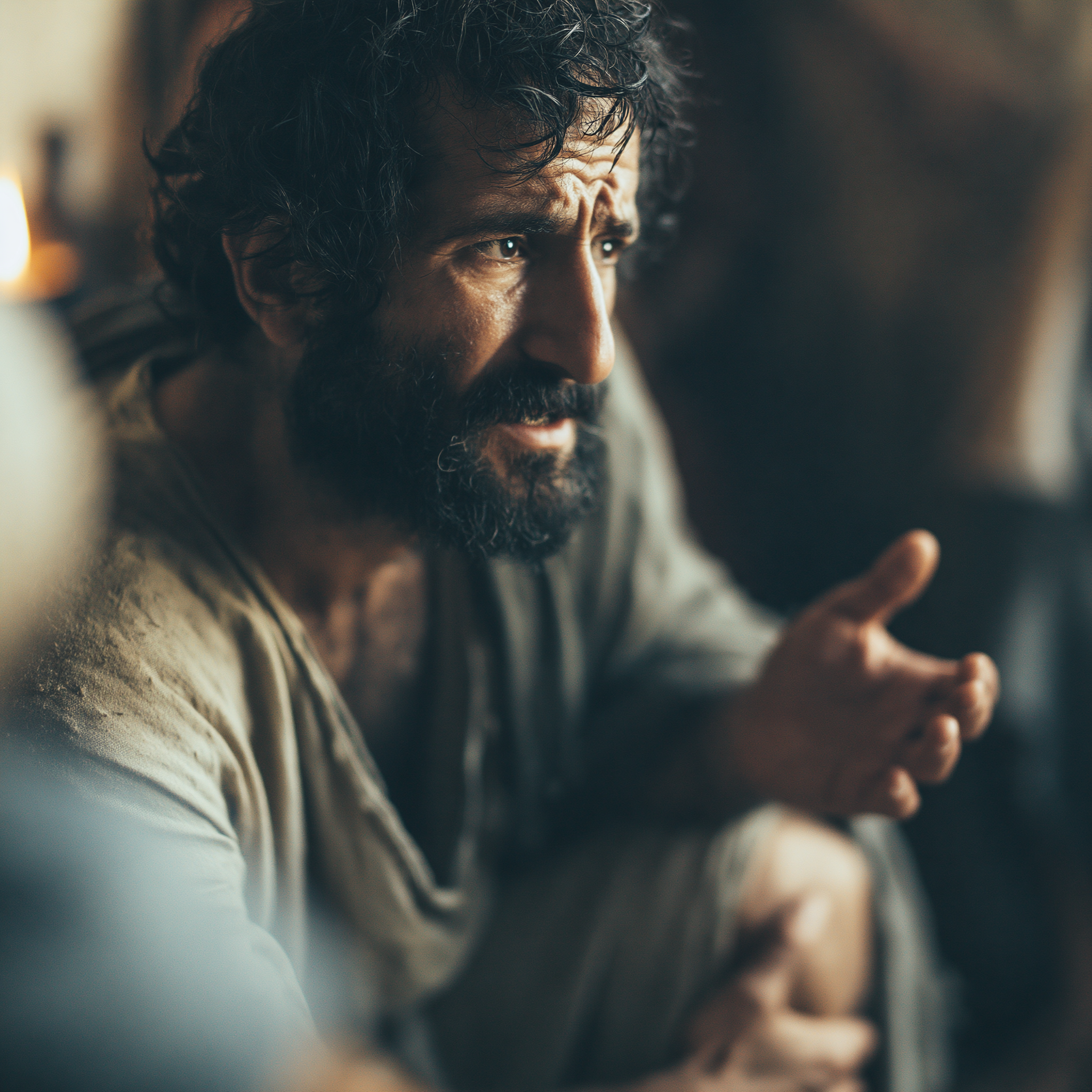
Centuries later, Luke's Gospel opens with Gabriel appearing to a priest named Zechariah, serving in the Jerusalem Temple sanctuary, to announce that his wife Elizabeth — elderly and long childless — will bear a son to be named John, who will prepare the way for the Lord. When Zechariah expresses doubt and asks for a sign, Gabriel answers by naming himself directly: I am Gabriel, who stand before God, and I was sent to speak to you and to announce this good news to you.
Because of his doubt, Zechariah is left mute until the child's birth — a strange, almost severe consequence, and also a kind of sign in itself, since Zechariah's silence becomes its own quiet confirmation that something extraordinary really had been set in motion in the Temple that day.
The Annunciation to Mary: Bearing the Message of the Incarnation
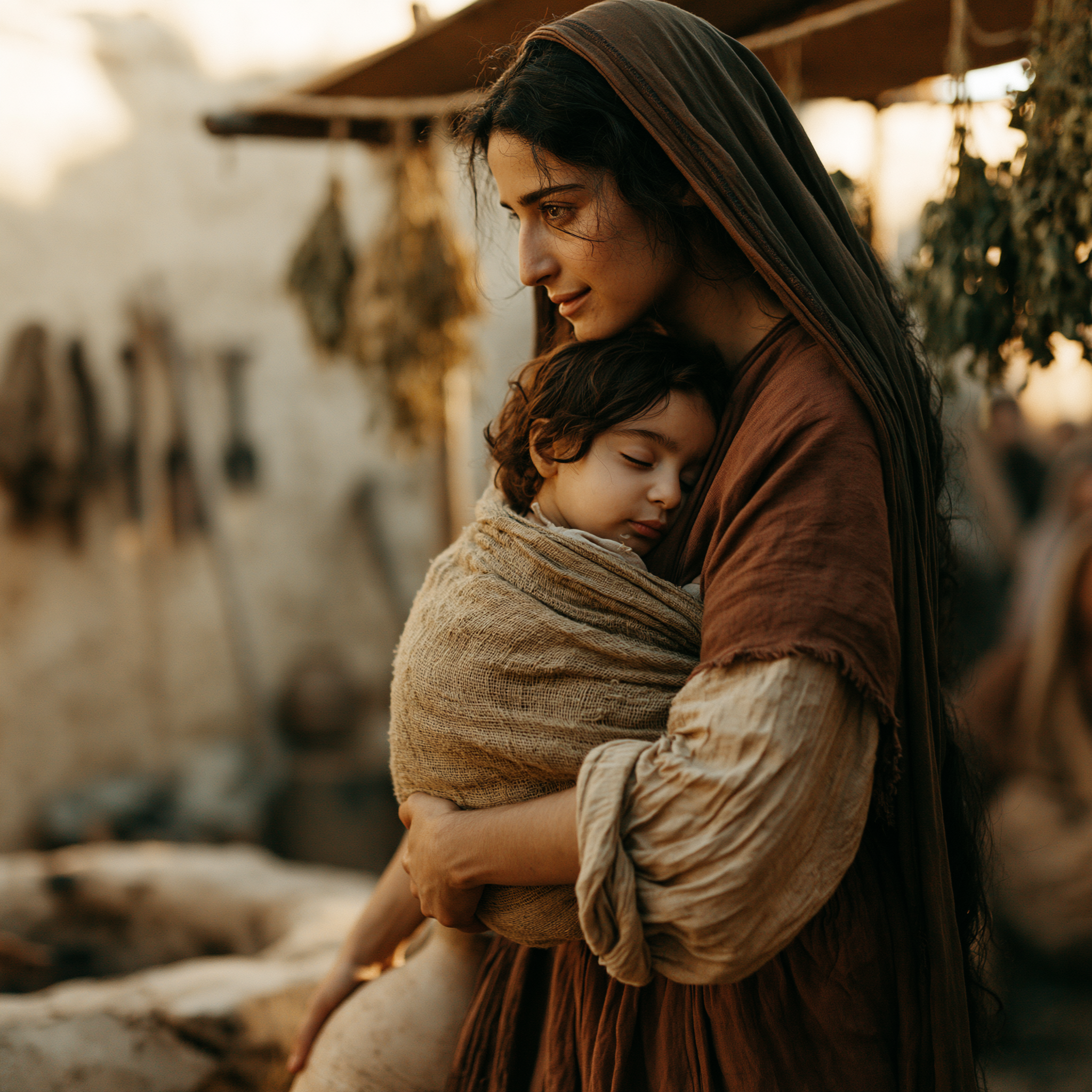
Six months after Zechariah's encounter, Gabriel is sent to Nazareth, to a virgin named Mary, betrothed to a man named Joseph. Hail, full of grace, he says. The Lord is with you. What follows is the single most consequential angelic announcement in the whole of Scripture: Mary will conceive and bear a son, to be named Jesus, who will be called Son of the Most High, and whose kingdom will have no end. When Mary asks how this can be, since she has not been with a man, Gabriel answers that the Holy Spirit will come upon her — and Mary answers with the assent Christian tradition has never stopped returning to: let it be done to me according to your word.
It is worth noticing what Gabriel's role actually is in this scene. He does not perform the Incarnation himself. He announces it, explains what is being asked, and then waits for Mary's answer. The most significant moment in salvation history unfolds through a conversation — a messenger delivering an invitation, and a young woman freely accepting it.
The Catholic Tradition: Patron Saint of Messengers and Communication
Saint Gabriel is rarely depicted acting of his own accord; he is defined by the words entrusted to him. In the Catholic tradition, this total fidelity to the message forms the foundation of his veneration and explains why the Church looks to him as the patron of all who communicate truth.
-
Gabriel's defining characteristic across every scriptural appearance is that he never speaks on his own authority. He explains visions he did not create, and delivers news he did not originate, consistently identifying himself only as one who stands before God rather than as a source of power in his own right. The Church has long read this as instructive in itself: even the most world-altering announcements in Scripture arrive through a mediator whose entire identity is defined by service to the message rather than ownership of it.
-
In 1951, Pope Pius XII formally declared Gabriel the patron of telecommunications workers, broadcasters, and messengers of every kind — a fitting modern extension of his defining biblical role. Every industry built around carrying a message from one person to another, the Church has suggested, finds its patron in the archangel whose entire scriptural function was doing exactly that, under circumstances of far greater consequence than any modern broadcast.
-
Alongside Michael and Raphael, Gabriel completes the only three archangels named directly in Scripture. Where Michael defends and Raphael heals and guides, Gabriel announces — three distinct forms of angelic service that together offer a fuller picture of how Catholic tradition understands God's ministry to humanity through created spirits who remain, in every account, entirely subordinate to the God who sends them.
The most significant moment in salvation history unfolds through a conversation — a messenger delivering an invitation, and a young woman freely accepting it.
The Humility of the Messenger: Why Saint Gabriel Still Matters Today
Gabriel never claims credit for anything he announces. He does not perform the healing of Zechariah's disbelief or the conception he explains to Mary; he simply carries the message and waits for the human response that Scripture treats as genuinely necessary to what happens next. It is a strikingly humble portrait of a being powerful enough to appear directly to a priest in the Temple and a virgin in Nazareth and still describe himself only as one who stands in God's presence.
Two announcements, six months apart, changed the trajectory of everything that followed — the coming of the last prophet to prepare the way, and the Incarnation itself. Gabriel's entire scriptural legacy rests on his willingness to carry news he did not originate, faithfully and exactly, to the people who needed to hear it. Few figures in Scripture demonstrate more clearly that being entrusted with the message is itself a form of greatness.