Saint Elizabeth Ann Seton: Biography, Feast Day, and the Mother of Catholic Education
Feast Day: January 4
Also Known As: Elizabeth Ann Bayley (birth name); Mother Seton
Born / Died: August 28, 1774, New York City — January 4, 1821, Emmitsburg, Maryland, at age 46
Beatified: March 17, 1963, by Pope John XXIII
Canonized: September 14, 1975, by Pope Paul VI — the first person born in the territory of the present-day United States to be canonized a saint
Founded: The Sisters of Charity of St. Joseph, 1809; St. Joseph's Academy and Free School, 1810, regarded as the beginning of Catholic parochial education in America
Patronage: Catholic schools; widows; the death of children
Major Shrine: The National Shrine of Saint Elizabeth Ann Seton, Emmitsburg, Maryland
Converting to Catholicism cost Elizabeth Ann Seton nearly everything a respectable early American widow had left.
She was born into wealth and social standing in colonial New York, married well, and raised her children inside the Episcopalian world that had shaped her own upbringing. By the time she formally entered the Catholic Church in 1805, she was a widow with five children and almost no income, and her conversion, in a city where anti-Catholic sentiment ran deep, drove away friends, family support, and what remained of her social position. She rebuilt an entire life afterward, from very little, and in the process helped lay the foundation for the American Catholic school system that would eventually educate millions of children who never knew her name.
Key Facts: Feast Day, Canonization, and Patronage of Elizabeth Ann Seton
Before examining the details of her life, this quick reference outlines the essential milestones, patronage, and historical significance of Saint Elizabeth Ann Seton.
-
Elizabeth Ann Bayley Seton, a widowed convert from a prominent New York Episcopalian family
-
The founder of the Sisters of Charity of St. Joseph and a pioneer of Catholic parochial education in the United States
-
New York City, her birthplace; Livorno, Italy, where her husband died; and Emmitsburg, Maryland, where she founded her religious community
-
1774–1821
-
Because a widow who lost her social standing over a costly religious conversion went on to build an institution that shaped Catholic education across an entire country
Early Life in New York: Elizabeth Ann Bayley’s Episcopalian Roots
Elizabeth Ann Bayley was born into a prominent, well-connected New York family; her father, Richard Bayley, was a respected physician. She married William Magee Seton, a wealthy merchant, in 1794, and the couple had five children together. Even as a young wife inside comfortable New York society, Elizabeth showed an early pull toward organized charity, helping found the Society for the Relief of Poor Widows with Small Children in 1797 — one of the first organizations of its kind in the city, and a preview, in hindsight, of the direction her life would eventually take.
Grief and Awakening in Livorno: The Italian Journey and William Seton’s Death
William Seton's business began to fail, and his health declined with tuberculosis. In 1803, the family traveled to Italy, hoping the warmer climate might help him recover and that Italian business connections might salvage what remained of his commercial affairs. William died in Livorno that December, leaving Elizabeth a widow with five children at only twenty-nine years old, far from home.
During the family's time in Italy, Elizabeth stayed with the Filicchi family, devout Italian Catholics who had been William's business associates, and was exposed for the first time to Catholic worship and devotion in an immersive, daily way — particularly the Eucharist and Marian devotion, both strikingly different from the Protestant world she had grown up inside. The experience planted questions she would spend the following two years working through.
1805 Conversion to Catholicism: Social Exile and Spiritual Resolve
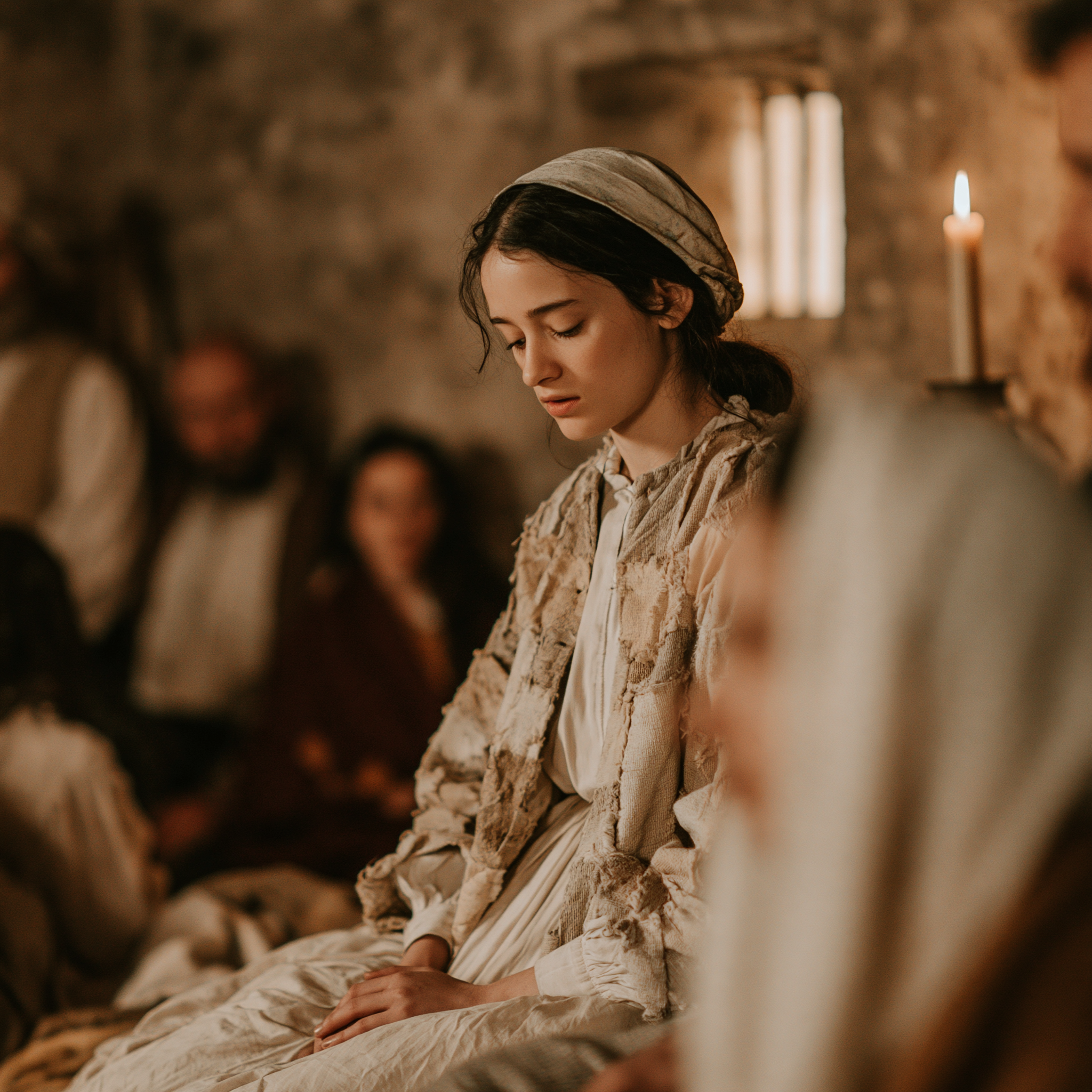
Elizabeth returned to New York in 1804 and entered a lengthy period of spiritual searching before formally converting, received into the Catholic Church at St. Peter's Church in New York City on March 14, 1805. The decision carried real and immediate cost. Catholic conversion in Protestant-dominated early American society brought serious social stigma, and Elizabeth lost friendships, family support, and financial assistance as a direct result of her choice, at a moment when she was already a widow struggling to support five children.
She attempted to keep her family afloat by opening a school in New York, but anti-Catholic sentiment undermined the effort, leaving her financial situation increasingly precarious in the years immediately following her conversion.
Emmitsburg and the Sisters of Charity: Founding America’s First Religious Order
Catholic clergy, including Father William Dubourg, saw promise in Elizabeth's situation and invited her to Maryland to establish a school and religious community, first to Baltimore in 1808 and then to Emmitsburg the following year. In 1809, she founded the Sisters of Charity of St. Joseph, the first congregation of religious sisters founded by an American-born citizen, adapting the rule originally developed in France by Vincent de Paul and Louise de Marillac for the Daughters of Charity to fit the very different American context she was working within.
St. Joseph’s Free School: Laying the Foundation of Parochial Education
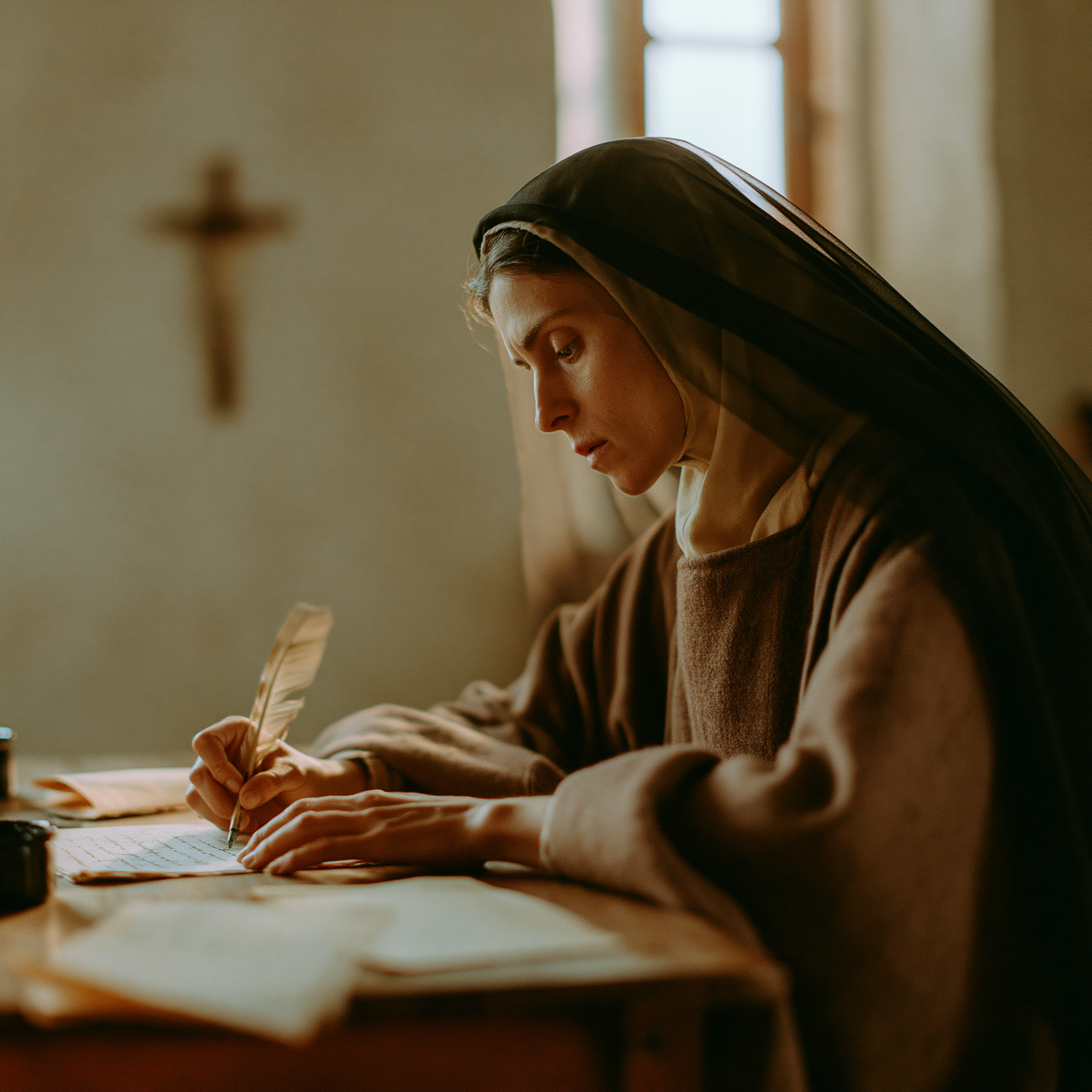
In 1810, Elizabeth established St. Joseph's Academy and Free School in Emmitsburg, an institution historians and the Church alike regard as the starting point of the American Catholic parochial school system — free education, open to children regardless of their families' ability to pay, organized and staffed by her growing community of sisters. The Sisters of Charity expanded their mission over time into nursing and the care of orphans as well, but the school in Emmitsburg remains the clearest single thread connecting Elizabeth's own difficult path into the Church to the vast, still-operating network of Catholic schools across the United States that trace their lineage back to her work.
Tuberculosis, Loss, and Faith: Enduring Personal Tragedy in Community Life
Elizabeth led her growing religious community while carrying chronic poor health of her own — tuberculosis symptoms that had likely run through her family, since her husband and, in time, two of her own daughters died of the disease or related illness. Her daughter Anna Maria died in 1812, and her daughter Rebecca in 1816, each loss layering fresh grief onto the demanding, uncertain work of building a new religious community from very limited resources. Elizabeth continued leading the Sisters of Charity through all of it, dying at Emmitsburg on January 4, 1821, at forty-six.
The Catholic Perspective: Conversion, Sacred Widowhood, and Building for Eternity
Mother Seton’s life offers profound theological and practical insight into Catholic spiritual tradition, demonstrating how personal surrender transforms suffering into enduring institutions of grace.
-
Elizabeth's story offers a clear-eyed picture of what conversion actually cost many early American Catholics — not an abstract spiritual decision but one with immediate, tangible consequences for friendship, family relationships, and financial security. Her willingness to bear that cost, as a widow already responsible for five children, has made her a particular source of encouragement for converts who face real relational or social loss over their decision to enter the Church.
-
Elizabeth's most enduring institutional legacy is educational: the free school she opened in Emmitsburg in 1810 is widely regarded as the beginning of the parish-based Catholic school system that would eventually spread across the United States, educating generations of Catholic children regardless of their families' means. Few founders on this site have left a more directly traceable practical legacy still operating today.
-
Elizabeth's sanctity was not built around dramatic mystical experience but around sustained fidelity through ordinary, devastating loss — widowhood, financial precarity, chronic illness, and the deaths of two of her own children, all while leading a young religious community with limited resources. It is a form of holiness built almost entirely out of endurance rather than spectacle.
She rebuilt an entire life from very little, and in the process helped lay the foundation for a school system that would eventually educate millions of children who never knew her name.
The Enduring Legacy of Mother Seton: Why Her Story Matters Today
Elizabeth's path to sainthood ran through some of the most ordinary and painful terrain a life can offer: financial ruin, widowhood at a young age, social rejection over a religious decision, and the deaths of her own children. None of it was dramatic in the way legend often demands of saints. All of it was real, sustained, and difficult in ways that remain immediately recognizable to anyone who has faced grief, financial precarity, or a costly decision of conscience.
What she built out of that difficulty — a religious community, a free school, and eventually an entire tradition of Catholic education in America — continues to operate today, largely unrecognized by the millions of students and families it has touched since. Few saints demonstrate more clearly how much can grow, over time, from a decision that initially cost its maker nearly everything she had.