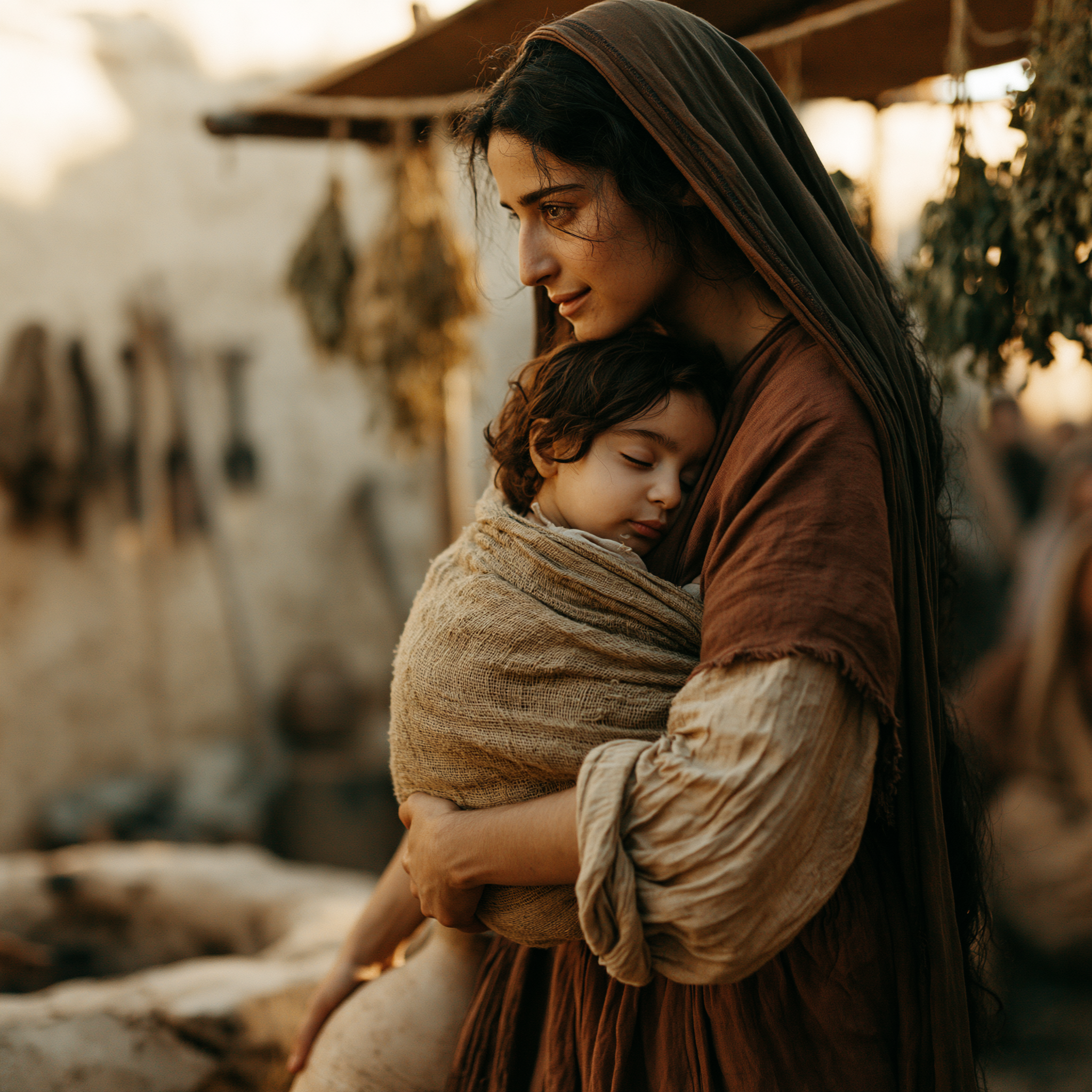
Saint Kateri Tekakwitha: Life, Feast Day, and the Lily of the Mohawks
Feast Day: July 14 (United States); April 17 (Canada and the general Roman calendar)
Also Known As: The Lily of the Mohawks
Born / Died: c. 1656, Ossernenon, near present-day Auriesville, New York — April 17, 1680, Kahnawake, near Montreal, Canada, at age 24
Beatified: June 22, 1980, by Pope John Paul II
Canonized: October 21, 2012, by Pope Benedict XVI — the first Native American canonized a saint
Patronage: Ecology and the environment; Native peoples; exiles; those estranged from family
Major Shrine: The Shrine of Saint Kateri Tekakwitha, Kahnawake, Quebec; the National Shrine of the North American Martyrs, Auriesville, New York
A smallpox epidemic took her parents, her infant brother, and very nearly her own life before she was old enough to remember any of it clearly.
Kateri Tekakwitha survived, scarred and with permanently damaged eyesight, raised afterward by an uncle who had no interest in the faith her mother had once quietly practiced. What grew out of that difficult beginning was a short, remarkable life of conversion, resistance, and a devotion so committed that it eventually cost her the community she had grown up inside — and made her, nearly three and a half centuries later, the first Native American the Catholic Church has ever canonized.
Key Facts: Patronage, Feast Day, and Legacy of Saint Kateri
Before diving into the narrative of her life, these essential facts provide a quick overview of Saint Kateri Tekakwitha—her feast days, patronage, and path to canonization as the first Native American saint.
-
Kateri Tekakwitha, a Mohawk woman born in what is now upstate New York
-
A convert to Catholicism who took a private vow of virginity and lived a life of intense personal piety within a Christian Native community in Canada
-
Ossernenon, in Mohawk territory in present-day New York; later Kahnawake, near Montreal, Quebec
-
c. 1656–1680
-
Because a young woman's conversion cost her the safety and belonging of her own community, and she chose it anyway
Early Life in Ossernenon: Marked by Smallpox and Loss
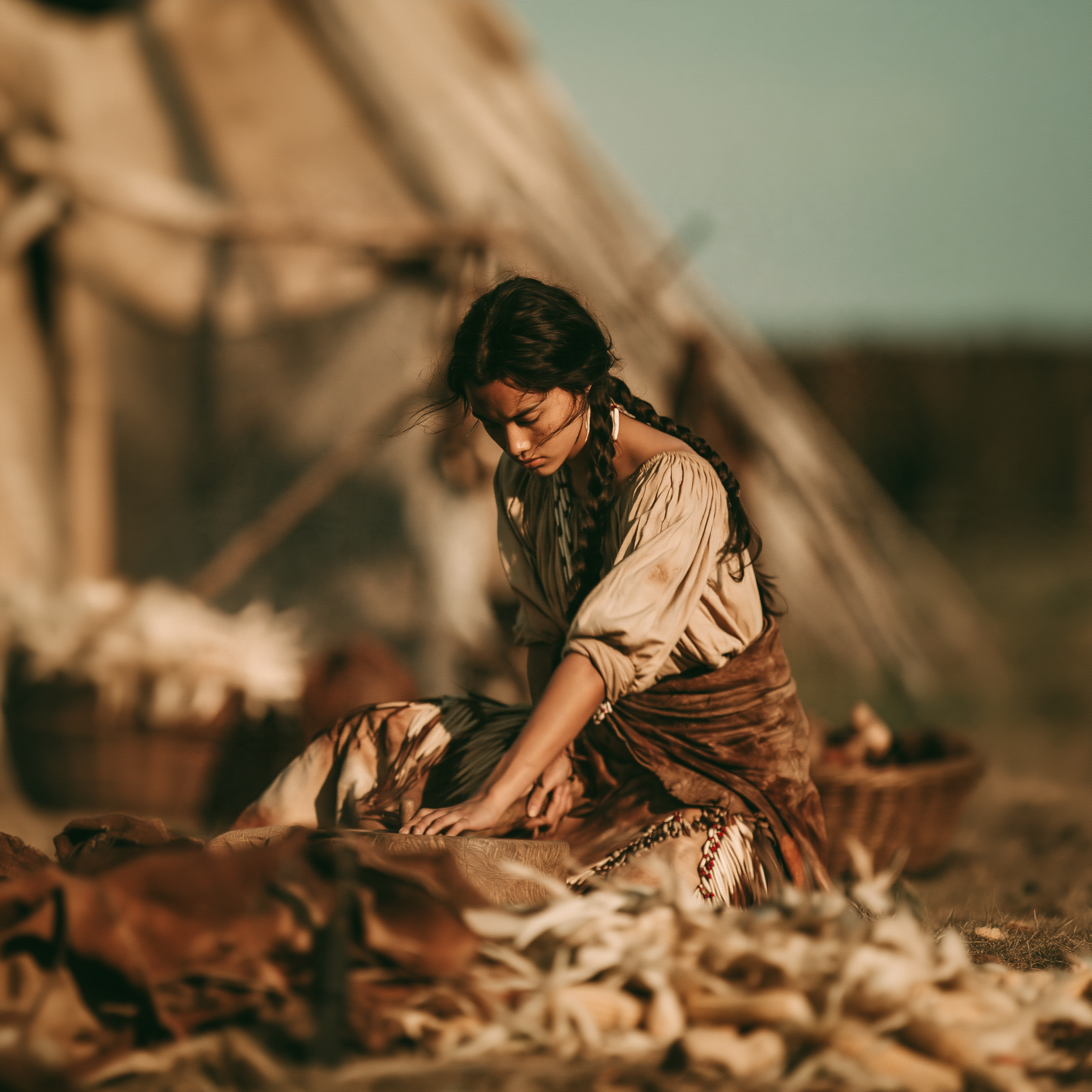
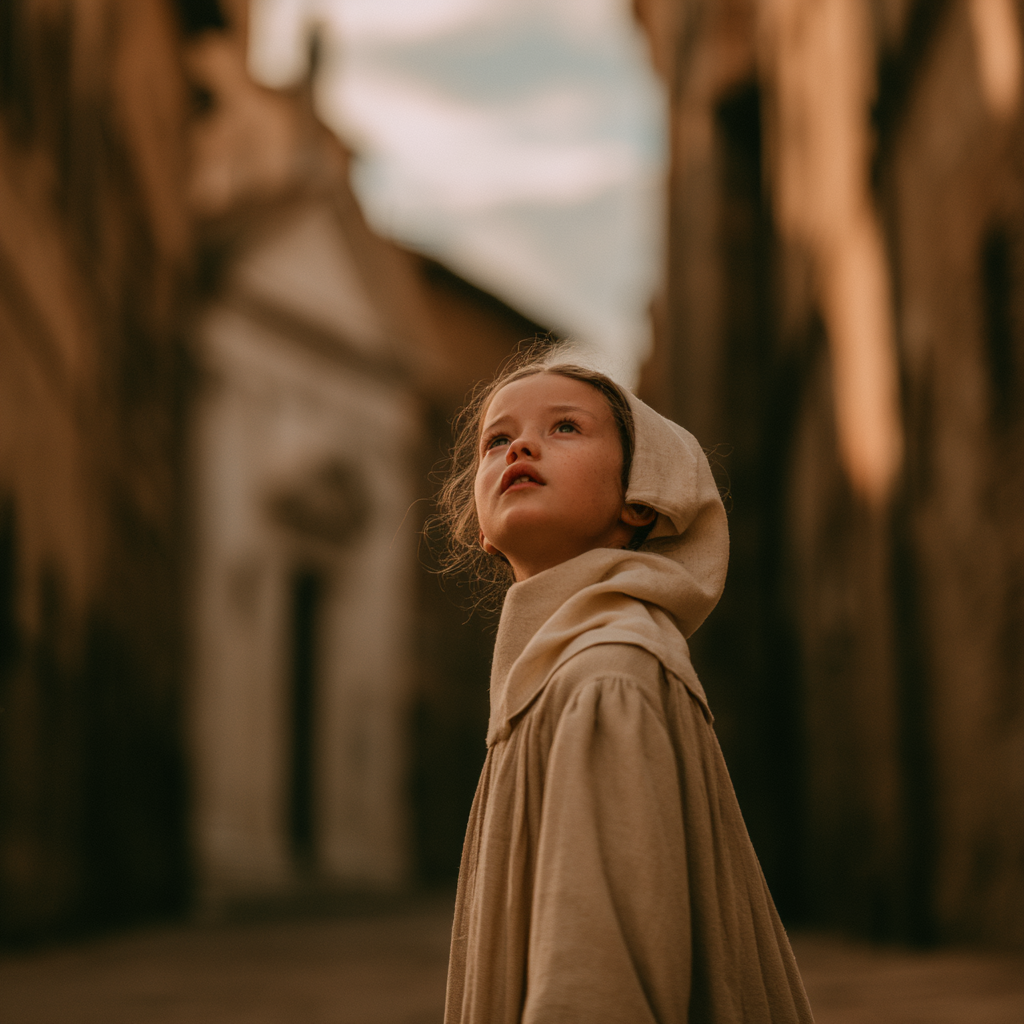
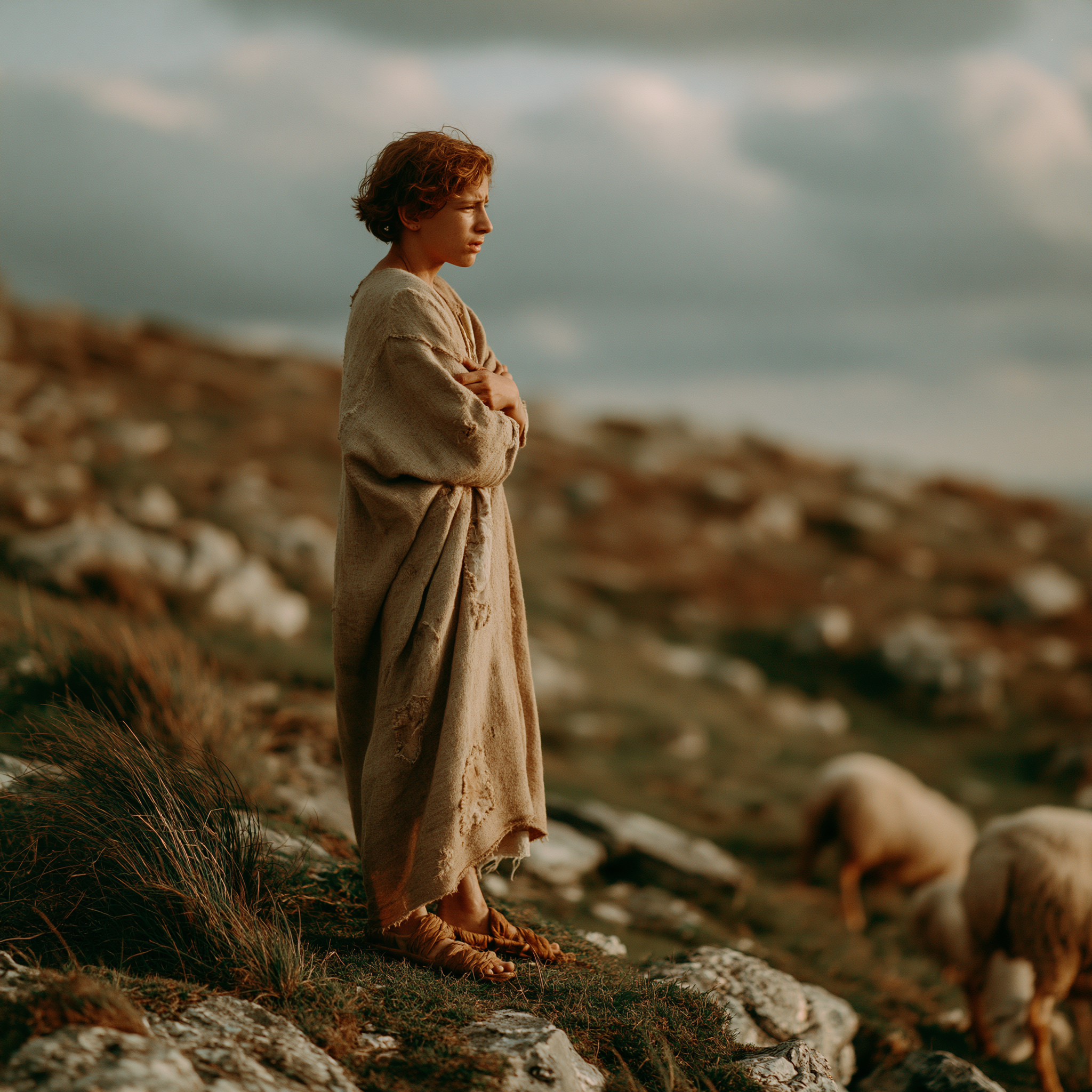
Kateri was born around 1656 in Ossernenon, a Mohawk village in present-day New York, to a Mohawk father and a mother who had been a Christian before being brought into Mohawk life. When Kateri was about four years old, a smallpox epidemic swept through the village, killing both of her parents and her infant brother. Kateri survived, but the disease left her face permanently scarred and her eyesight seriously impaired, sensitive to bright light for the rest of her life. She was adopted afterward by an uncle, who became a Mohawk chief, and raised within his household according to traditional Mohawk life.
Drawn to the Blackrobes: Resisting Marriage for Faith
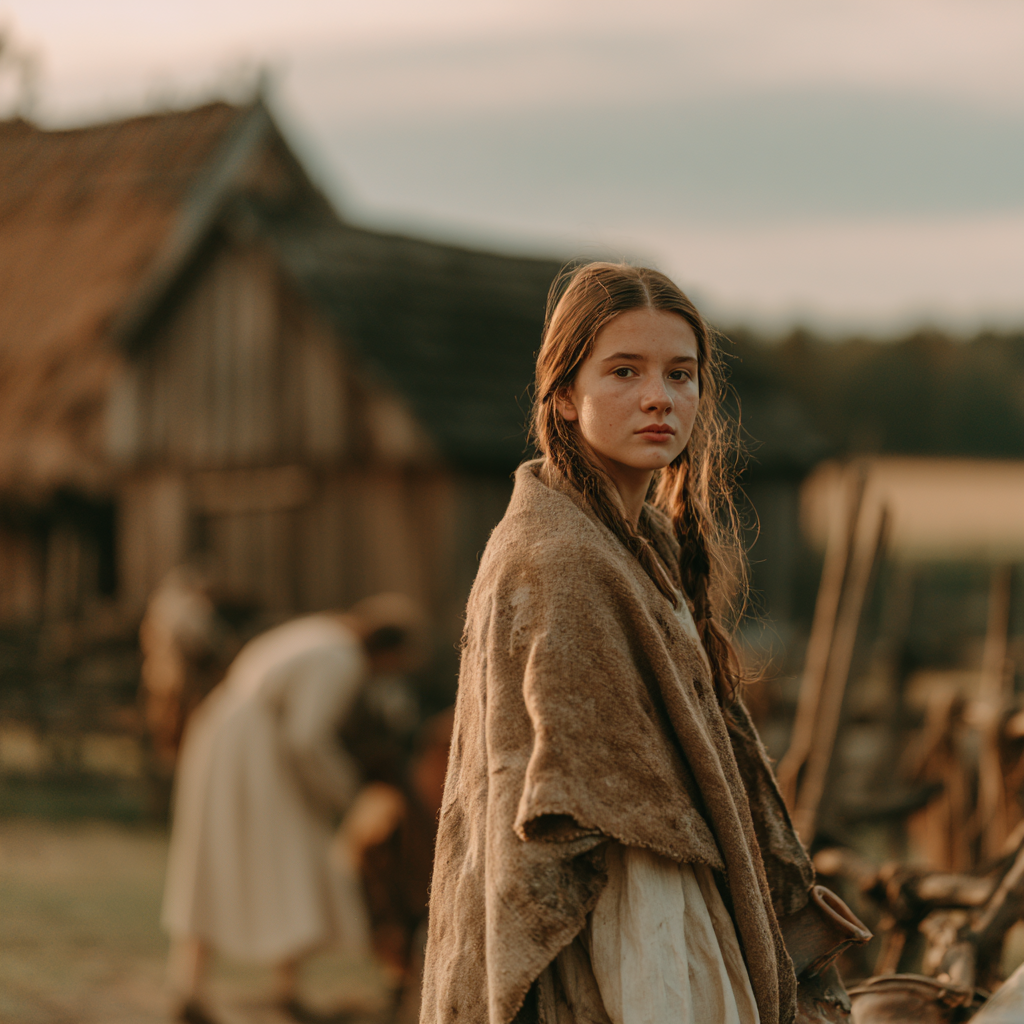
French Jesuit missionaries, known among the Mohawk as Blackrobes, were active in the region during Kateri's youth, continuing a mission effort that had already cost earlier missionaries their lives in the same territory decades before. As Kateri grew older, her aunt and uncle attempted, according to custom, to arrange a marriage for her, and she resisted — drawn instead toward the Christian faith her mother had once practiced, and toward the teaching the Jesuit missionaries were offering.
Baptized Kateri: Ostracism and the Price of Faith
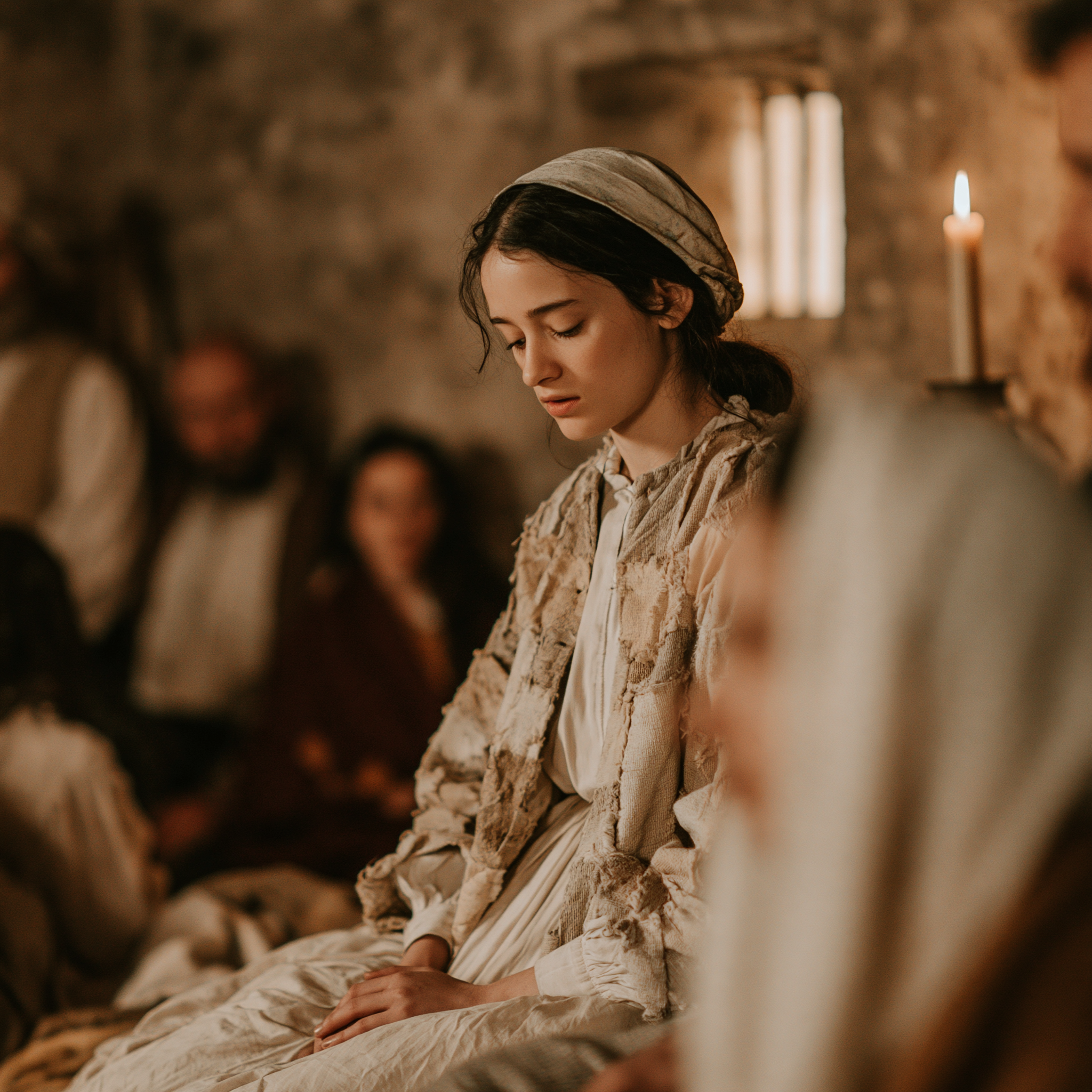
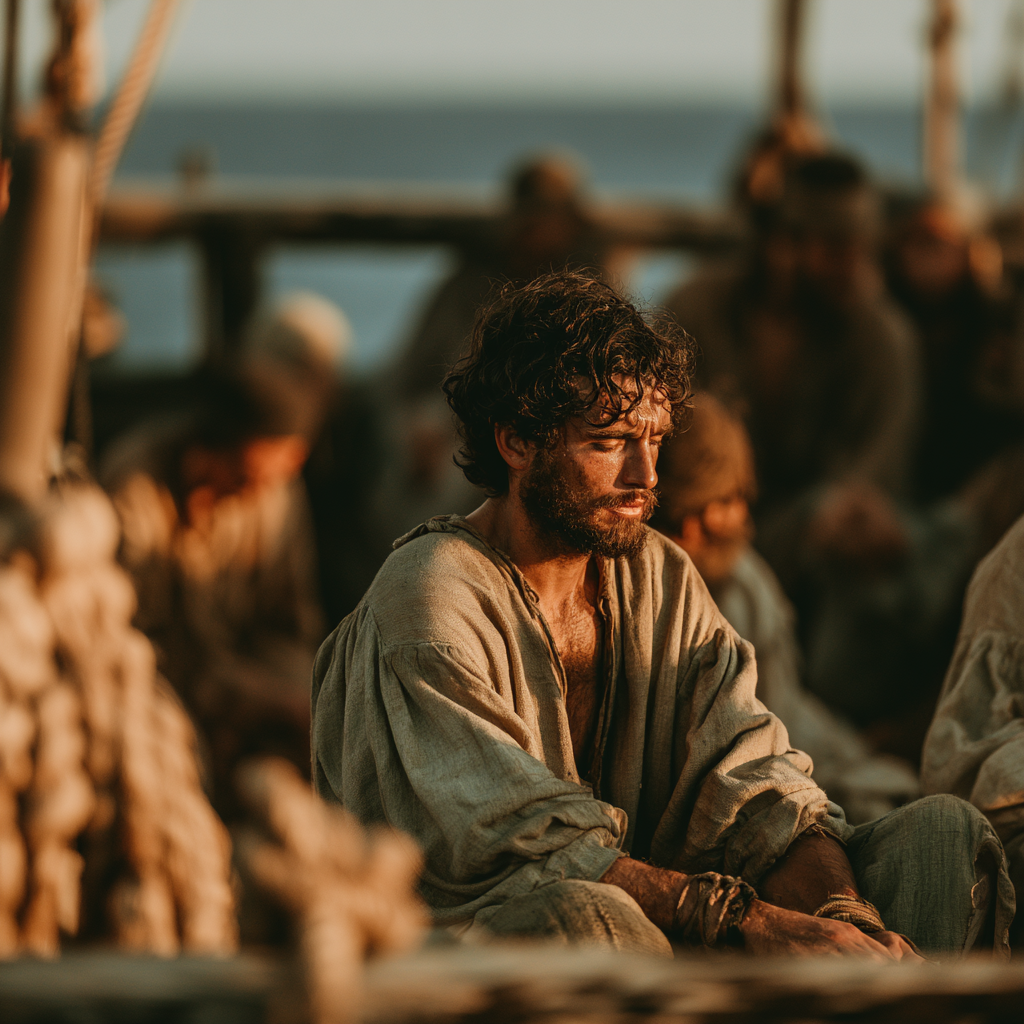
Kateri was baptized on Easter Sunday in 1676, around age nineteen or twenty, taking the name Kateri, the Mohawk rendering of Catherine, likely in honor of Catherine of Siena. Her conversion did not go unnoticed or unpunished within her own community. She faced open hostility, ridicule, and harassment from relatives and neighbors who saw her new faith and its practices — including her refusal to work on Sundays — as a rejection of Mohawk life and identity.
Flight to Kahnawake: Finding Refuge in a Christian Community
The pressure eventually became severe enough that in 1677, with help from Christian friends and missionaries, Kateri fled roughly two hundred miles north to Kahnawake, a mission settlement near Montreal made up largely of Christian Native converts. It offered her something her home village no longer could: a community where her faith was not a source of danger or shame but the shared foundation of daily life.
A Vow Unheard Of: Perpetual Virginity and Quiet Devotion
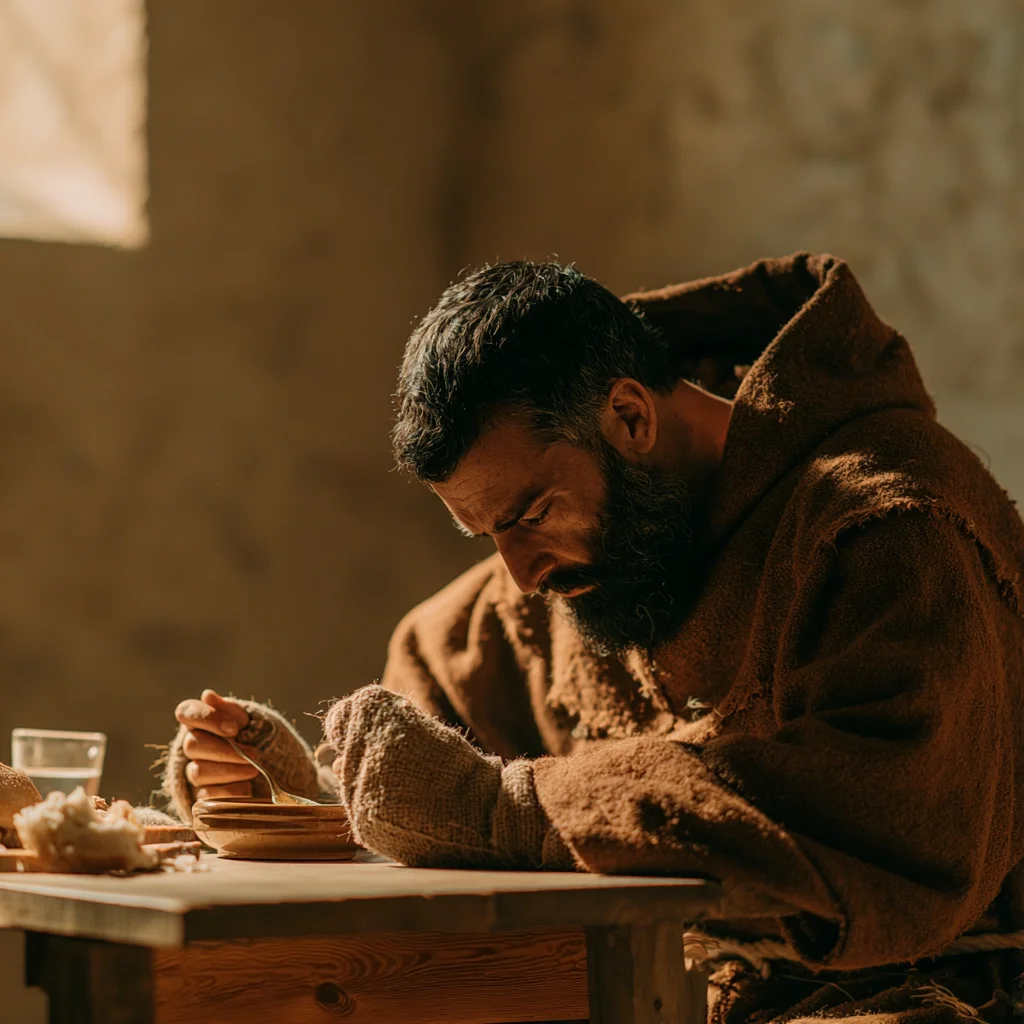
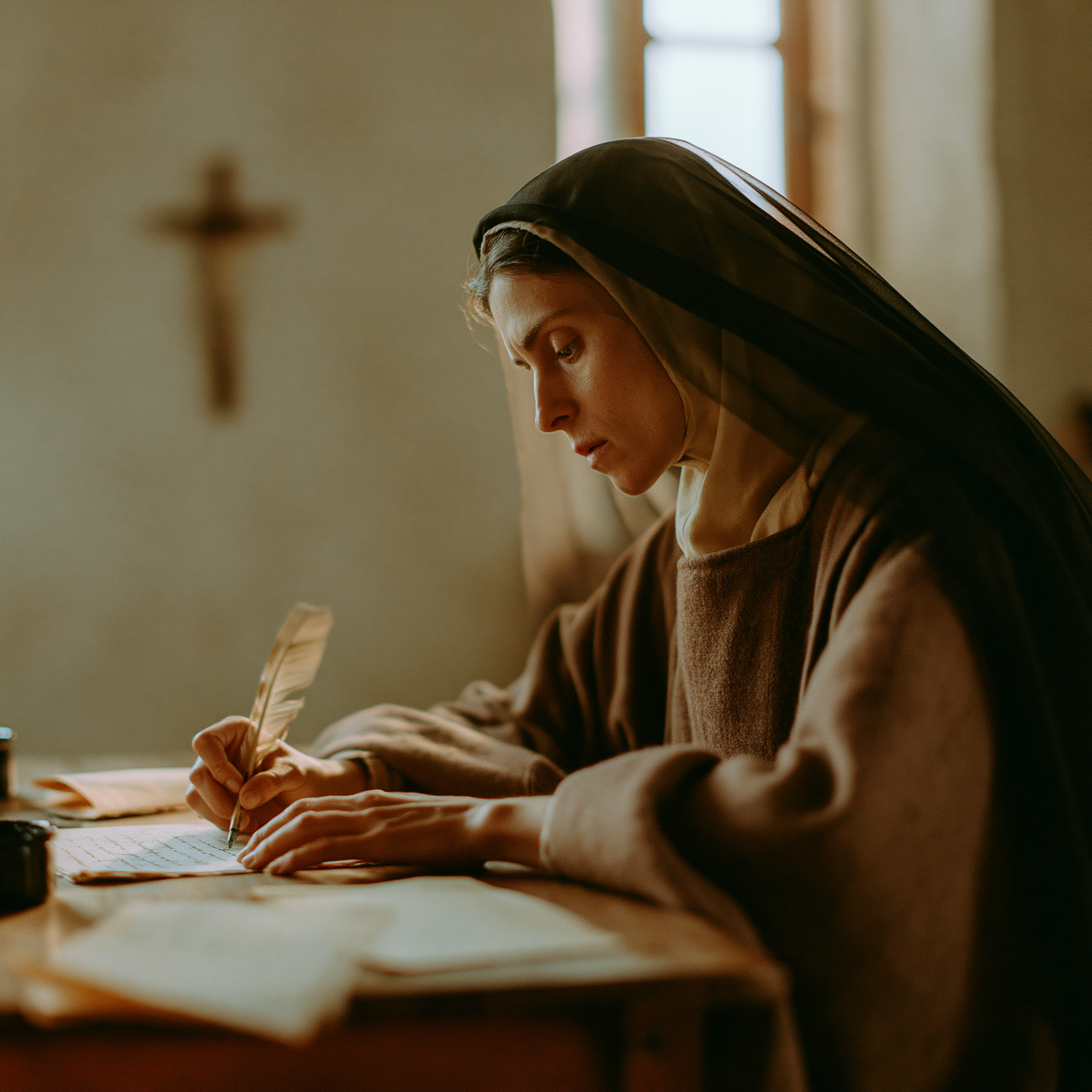
At Kahnawake, Kateri lived a life centered on prayer, care for the sick and elderly in the community, and significant personal austerity. In 1679, she took a private vow of perpetual virginity — a choice with little precedent in her cultural context, where marriage was a near-universal expectation, and one she made and kept entirely on her own initiative rather than through any formal religious order. Her health, already fragile since childhood, continued to decline under the weight of her devotional life.
Radiant in Death: The Clearing of Scars and Final Hours
Kateri died at Kahnawake on April 17, 1680, at only twenty-four years old. Witnesses present at her deathbed and in the time immediately following reported something remarkable: the smallpox scars that had marked her face since childhood appeared to fade, leaving her skin, by their account, notably clear. It is a tradition recorded by those who were actually present, and the Church has long treated it as a striking and meaningful detail of her death, though it should be understood as eyewitness testimony rather than documented medical fact.
The Catholic Perspective: Renunciation, Ecology, and Faith
Saint Kateri’s life offers the Church a profound witness where radical personal renunciation meets an enduring reverence for Creation. Her legacy reveals how authentic holiness takes root across cultural divides, transforming profound earthly sacrifice into a timeless testament of indigenous Catholic faith.
-
Kateri's story offers a clear picture of conversion as something that can cost a person the community, safety, and belonging they have always known, rather than simply a private change of belief. She did not lose an abstract social convenience by becoming Christian; she lost the daily protection and companionship of the only home she had ever had, and chose her faith anyway.
-
Kateri's patronage over ecology and the environment reflects both her Mohawk heritage's deep relationship with the natural world and a broader Catholic recognition, echoed in saints like Francis of Assisi, that reverence for creation belongs naturally alongside reverence for its Creator.
-
Kateri's 2012 canonization carried significance well beyond her own individual holiness, offering Native Catholics across North America the Church's first formally recognized saint drawn from their own indigenous heritage — a recognition many had sought for generations before it finally came.
She did not lose an abstract social convenience by becoming Christian; she lost the daily protection and companionship of the only home she had ever had, and chose her faith anyway.
Why Saint Kateri Still Matters: The First Native American Saint
Kateri's life lasted only twenty-four years, and much of it was marked by loss she had no power to prevent — the epidemic that killed her family and scarred her as a small child, the ostracism that followed her conversion, the flight from the only home she had known. What she built out of that loss, in the few years available to her at Kahnawake, was a life of prayer and quiet service that the Church would eventually hold up as sanctity worth recognizing formally, centuries later.
She remains a particular source of pride and connection for Native Catholics, and a broader reminder that authentic conversion sometimes demands leaving behind exactly what feels safest and most familiar. Few saints demonstrate more clearly that holiness can take root in genuinely difficult, even hostile, soil — and still produce something the Church eventually recognized as remarkable.