Saint Patrick: The Life, Confessio, and Story of the Slave Who Returned to Free Ireland
Feast Day: March 17
Also Known As: Patricius (his own Latin name); the Apostle of Ireland
Born / Died: c. 385, Roman Britain — traditionally c. 461 (dates debated by historians)
Primary Sources: His own surviving writings, the Confessio and the Letter to Coroticus — nearly everything else told about his life comes from much later legend
Patronage: Ireland; engineers; traditionally invoked against snakes
Major Shrine: Down Cathedral, Downpatrick, Northern Ireland — his traditional burial site
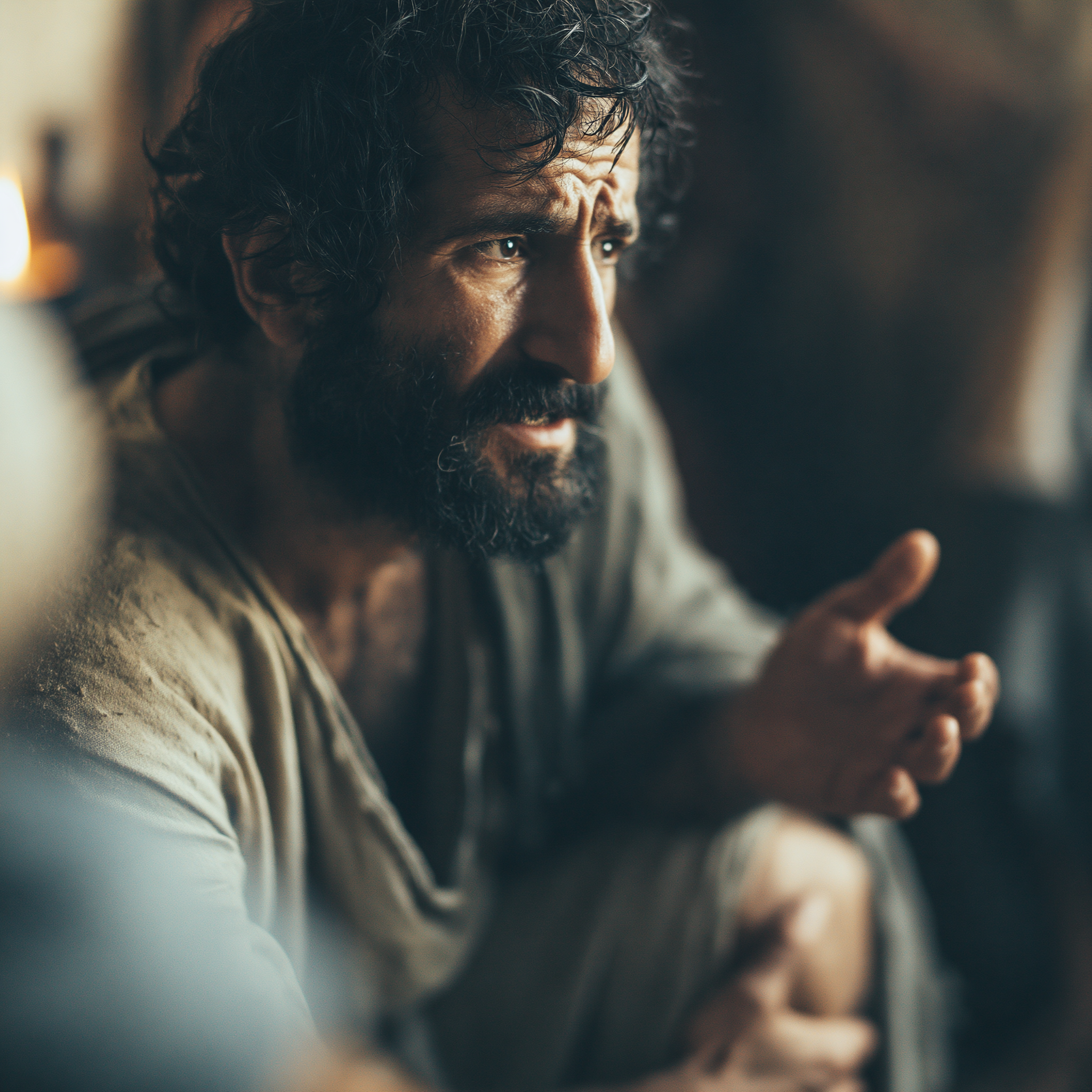
He was sixteen years old when the raiders came for him.
Patrick does not soften this part of his own story, and he is the one telling it — almost uniquely among the saints of the ancient world, we have his actual words, in his own voice, describing what happened to him. Irish raiders swept along the coast of Roman Britain, and among the captives they carried back across the sea was a teenage boy from a Christian family who had, by his own later admission, not taken his faith especially seriously up to that point. Ireland was going to change that, though not in any way the raiders intended.
What makes Patrick's story unusual among ancient saints is not just what happened to him, but that he wrote it down himself. Two short works survive in his own hand — the Confessio, a spiritual account of his life written near its end, and a furious letter denouncing a warlord for enslaving Christian converts. Nearly everything else told about Patrick, from the shamrock to the snakes, comes from centuries later. His own voice is rarer, plainer, and in some ways more remarkable than the legend that grew up around it.
At a Glance: Key Facts About Saint Patrick
Long before medieval legends spoke of shamrocks and banishing snakes, Patricius was simply an unlearned teenager forced into exile by raiders. Before listening to the actual words he left behind in his Confessio, here is a quick look at the historical timeline, patronage, and tradition that define the Apostle of Ireland. Here is Saint Patrick at a glance.
-
Patrick, a Romano-British Christian taken to Ireland as a slave, who later returned as a missionary bishop
-
The bishop remembered as the primary evangelizer of Ireland, one of the only ancient saints whose own writings survive
-
Born in Roman Britain; enslaved and later ministered throughout Ireland
-
c. 385–461 (traditional dates, debated by historians)
-
Because a man who had every reason never to return to the place of his enslavement chose to go back and spend the rest of his life serving the descendants of his captors
Stolen at Sixteen: Enslavement and Conversion in Roman Britain
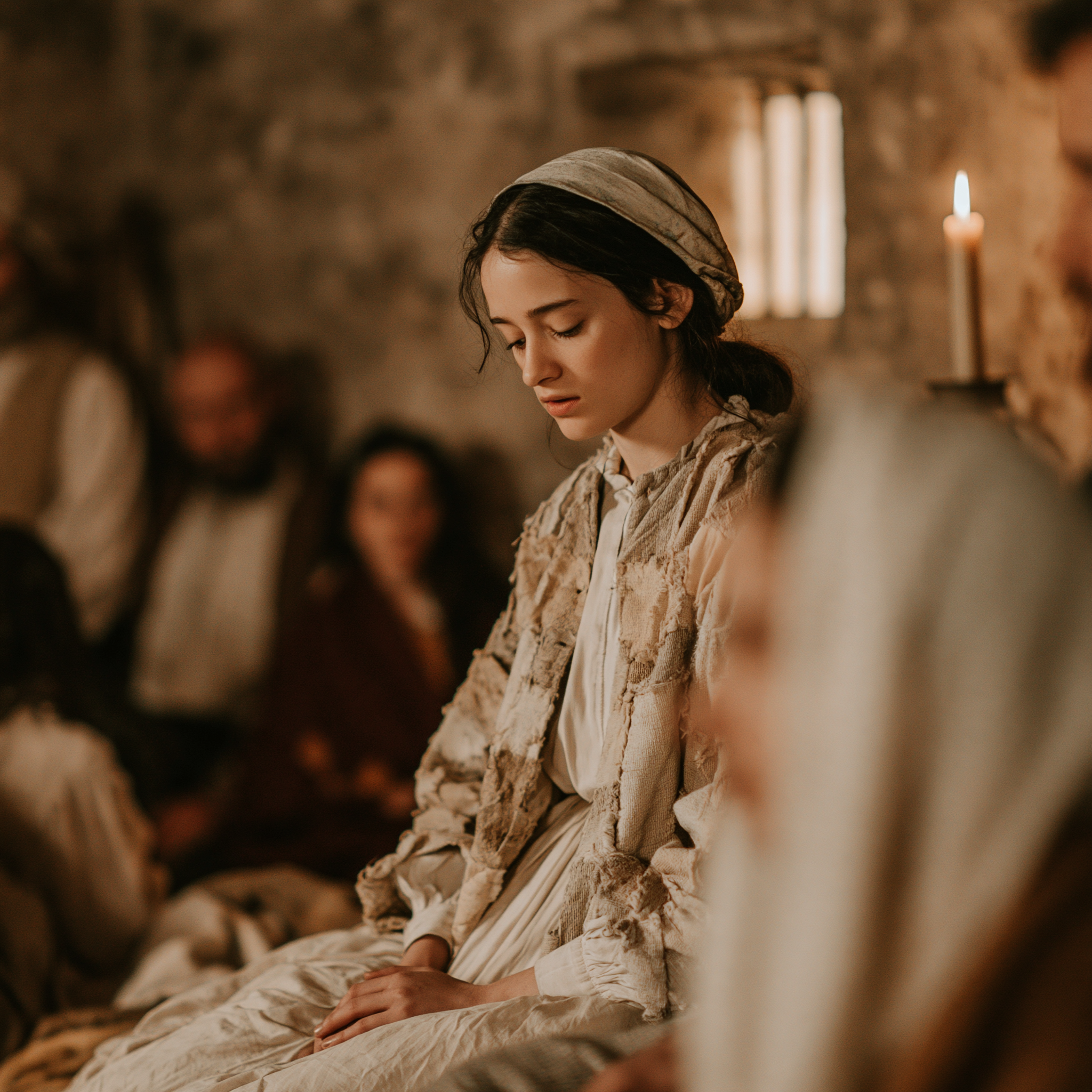
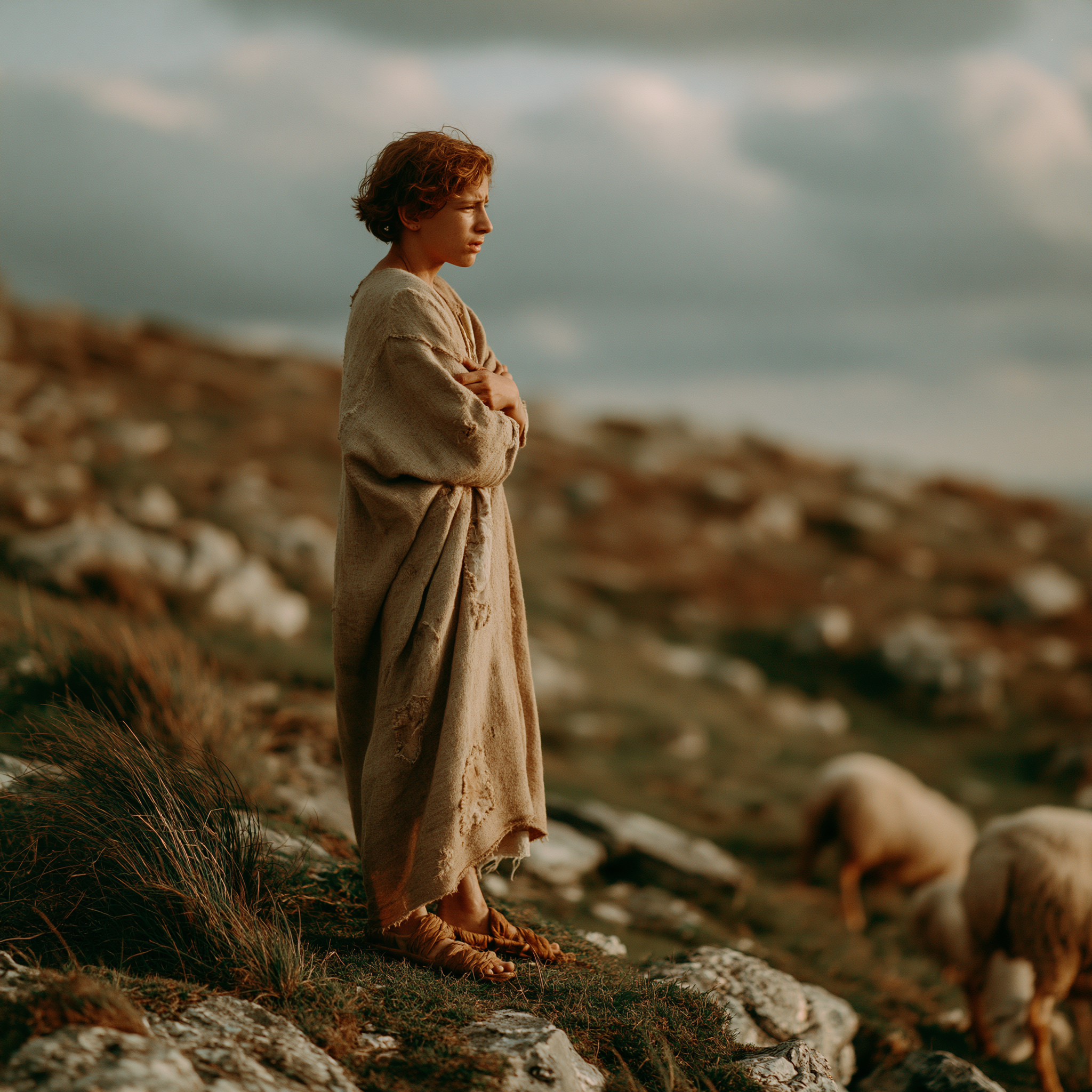
Patrick tells us in the Confessio that he was living in Britain, the son of a deacon and grandson of a priest, when Irish raiders captured him along with many others and carried him across the sea into slavery. He was put to work herding livestock, likely sheep or pigs, in a rural part of Ireland, isolated for long stretches at a time from any other Christian and from anything resembling the comfortable, nominally Christian household he had grown up in.
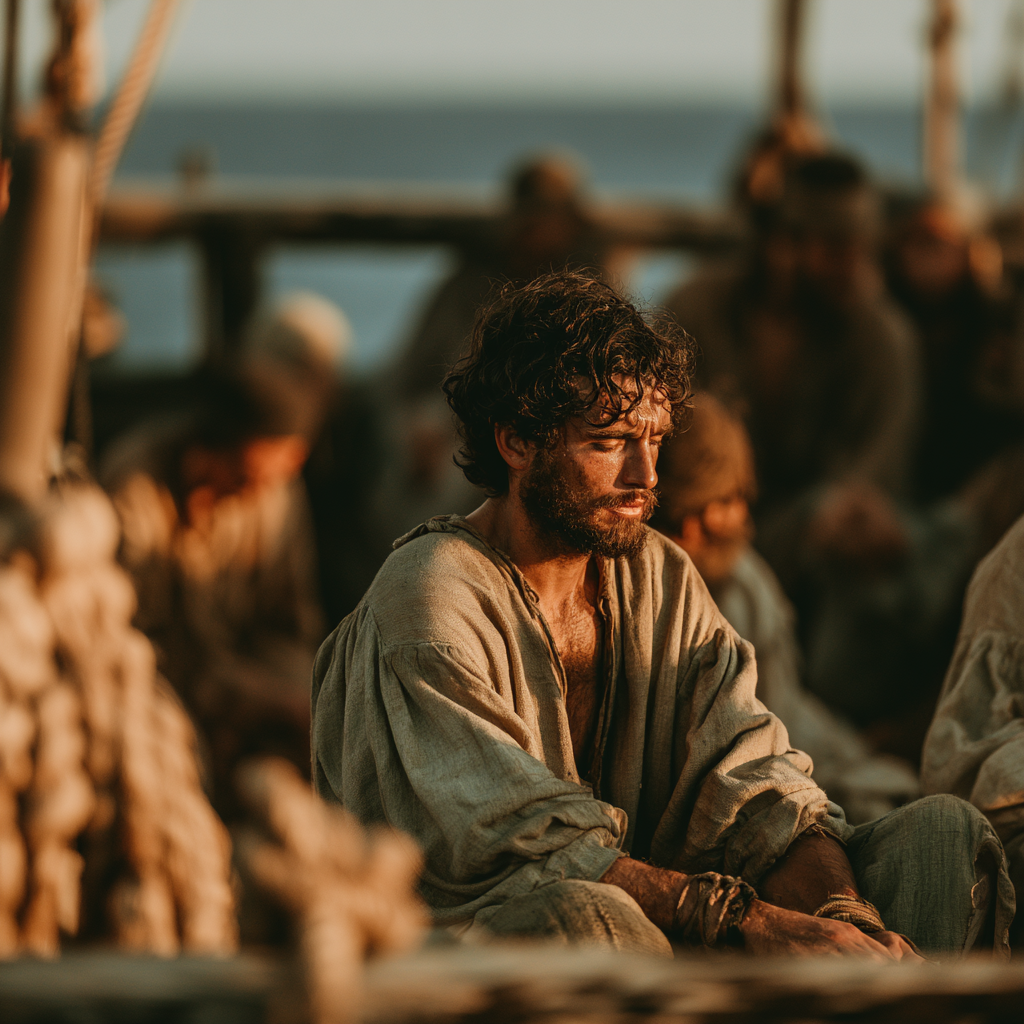
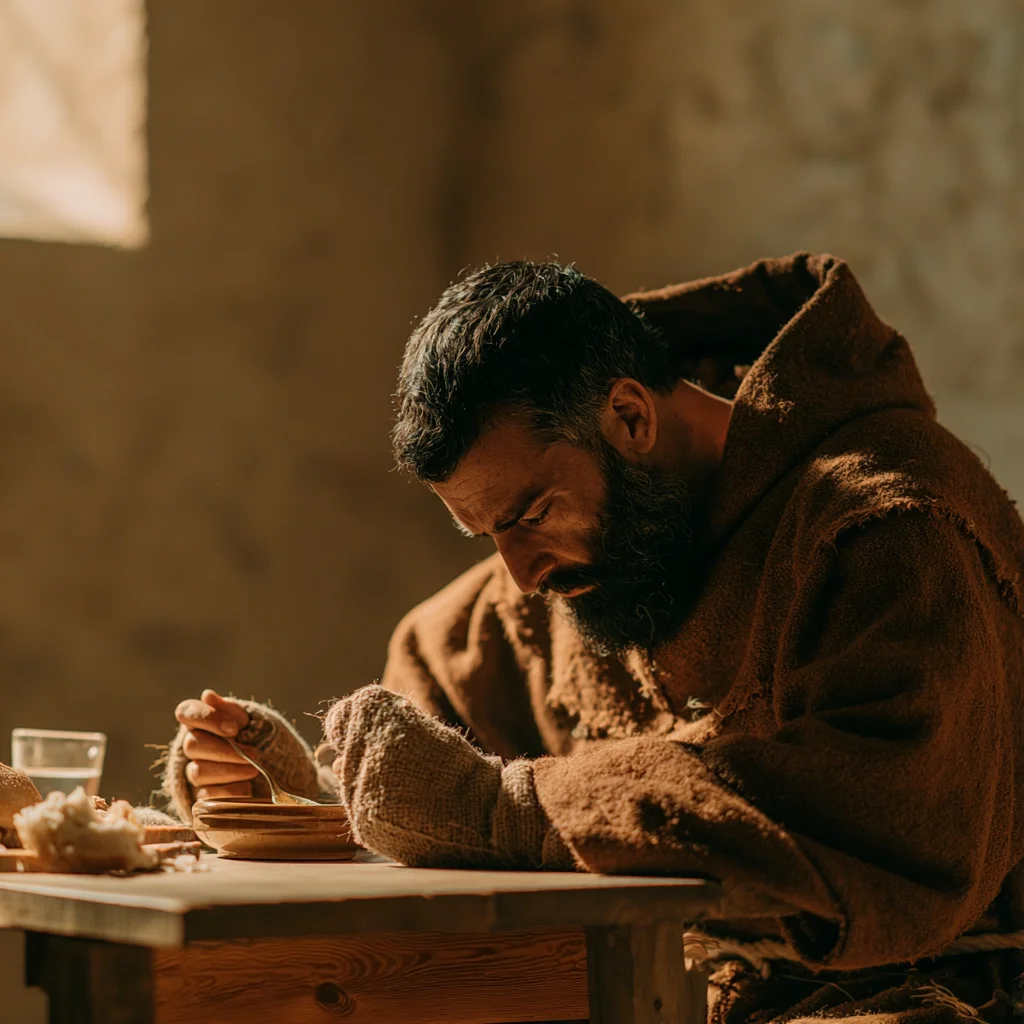
It was there, in captivity, cold and hungry and alone with animals for company, that Patrick's faith became something entirely different from what it had been. He describes praying constantly — up to a hundred times in a day and almost as many at night, he says, in rain and snow and frost, the love of God growing in him the more his circumstances gave him nothing else to hold onto. Six years of enslavement did what a comfortable childhood in a Christian household had not: it made his faith his own.
The Voice of the Irish: Vision of Victoricus and Call to Return
A dream broke the captivity. Patrick describes hearing, in his sleep, that a ship was ready to take him home, and he fled his captor, walking roughly two hundred miles to a coast he had never seen, trusting a vision enough to abandon the only life he had known in Ireland for the uncertain chance of a ship willing to take him. He found one, eventually made it back to Britain, and was reunited with the family that had likely long assumed him dead.
He might have stayed there. Instead, Patrick describes another vision, years later: a man named Victoricus approaching him carrying countless letters, one of which he handed over, titled The Voice of the Irish. As he read it, he heard the voices of the very people living near the wood of Foclut, by the western sea, crying out: we appeal to you, holy servant boy, to come and walk again among us. It was, quite literally in his own account, the voice of the people who had enslaved him, and he heard in it not a demand for revenge but a summons back.
Consecrated for a Second Captivity: Ordination as Bishop and Voluntary Return
What followed was years of preparation — tradition holds Patrick trained for the priesthood on the European continent, though the details of exactly where and under whom remain uncertain and are debated by historians. He was eventually ordained and consecrated a bishop, and sent to Ireland as a missionary, arriving in a land that already had some scattered Christian presence but little organized church structure.
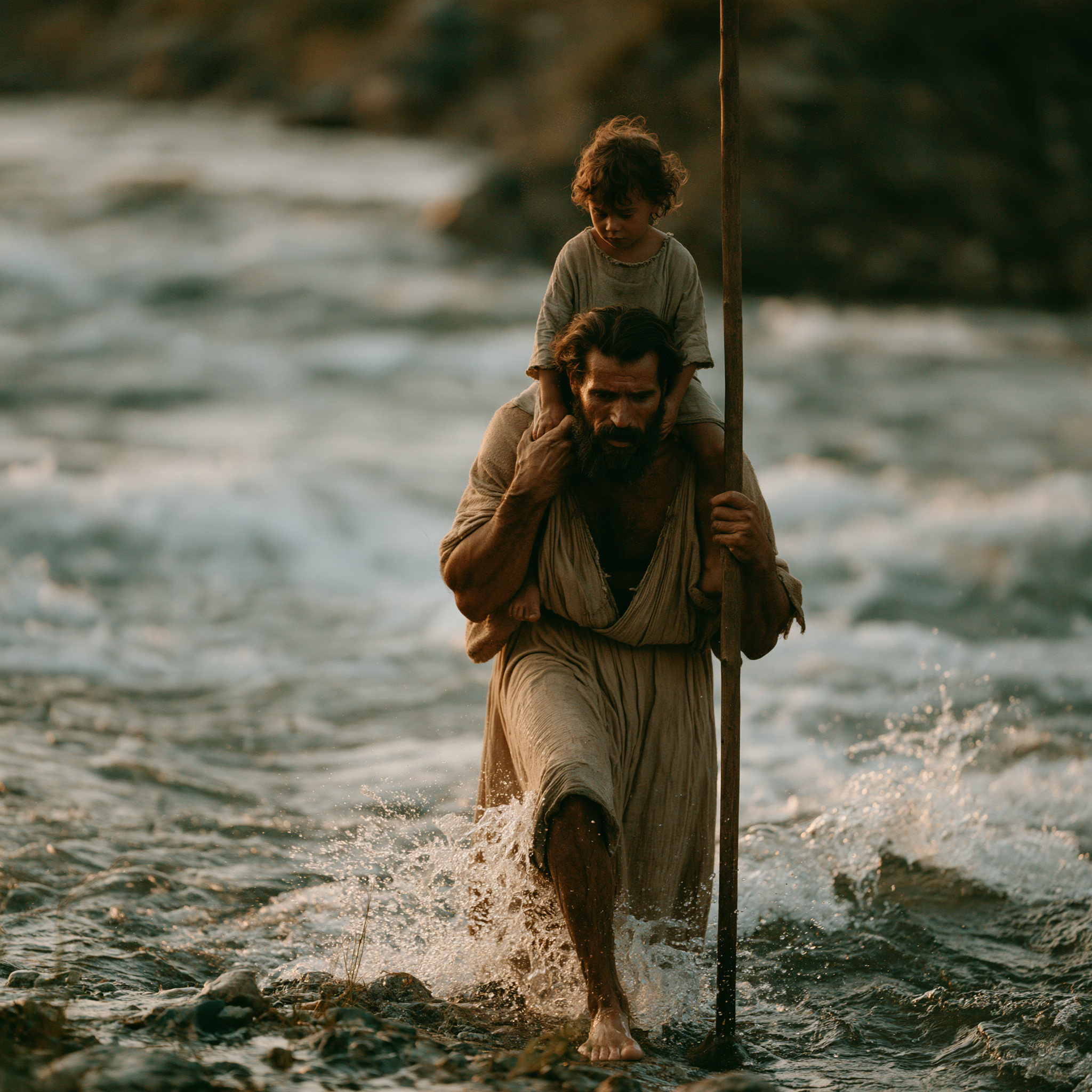
It is worth pausing on the strangeness of his choice. Patrick was not sent back to Ireland against his will a second time. He asked to go. A man who had escaped slavery at enormous personal risk chose, once free, to return voluntarily to the country and in some sense the very people who had enslaved him — not to seek out his former captor, but to spend the rest of his life in service to the wider community his captivity had come from.
Planting the Church in Ireland: Missionary Work and Letter to Coroticus
Patrick's missionary work in Ireland is difficult to reconstruct in precise detail, since his own writings focus far more on his interior spiritual life and his defense of his mission than on a systematic account of where he traveled and what he built. What the broader tradition credits him with is substantial: establishing churches across much of the island, ordaining clergy, converting members of the Irish nobility as well as ordinary people, and confirming a Christian community that would, in the centuries following his death, become one of the most significant centers of learning and monastic life in early medieval Europe.
His surviving Letter to Coroticus shows a different side of this work — not gentle evangelization but righteous fury, written to excommunicate and publicly shame a British warlord whose soldiers had raided a group of Patrick's newly baptized converts, killing some and selling others back into slavery. Patrick's response leaves no ambiguity about where his loyalty now stood: entirely with the Irish Christians he had been sent to serve, against raiders from his own homeland doing to others exactly what had once been done to him.
Legends That Outgrew the Man: Shamrocks, Snakes, and the Paschal Fire
Almost everything popularly associated with Saint Patrick today comes from centuries after his death, layered onto the historical record by later hagiography rather than drawn from his own writings. The story of using a shamrock to explain the Trinity — three leaves, one plant, a visual aid for three persons in one God — appears nowhere in Patrick's own work and is first documented long after his lifetime. The famous claim that he drove all the snakes out of Ireland is almost certainly legend as well; Ireland's post-glacial climate and isolation likely meant it never had native snakes to begin with, and many scholars read the story instead as a symbolic account of Patrick displacing pagan practice.
A third well-known story holds that Patrick lit a Paschal fire on the Hill of Slane in deliberate defiance of a pagan king's decree that no fire should burn before the king's own fire at Tara — a public, visible challenge that reportedly impressed onlookers enough to open the way for his preaching. Like the others, it comes from later tradition rather than Patrick's own account, though it captures something the historical record does support: a missionary willing to make his faith visible and confrontational rather than quiet.
The Catholic Perspective: Saint Patrick’s Confessio and Forgiveness as Vocation
To view Saint Patrick through the lens of Catholic tradition is to encounter a saint who speaks to us in his own unpolished, deeply human voice. In a world where ancient legends often overshadow historical reality, the Church holds fast to his Confessio—a rare, surviving testimony from antiquity that reveals a faith forged not in quiet academies, but in six solitary years of captivity.
-
Very few saints from Patrick's era left behind writing in their own voice, which makes the Confessio unusually valuable — not a polished theological treatise, but a defensive, personal account written by an old man near the end of his life, answering critics and explaining, in plain and sometimes halting Latin, exactly what God had done with an unlikely and unlearned convert. The Church has always valued this kind of firsthand testimony precisely because it cannot be smoothed into legend the way an oral tradition eventually is.
-
Patrick's choice to return to Ireland is one of the clearest examples in the whole communion of saints of forgiveness expressed not as a private feeling but as an entire vocation. He did not simply forgive his captors in his heart and move on with a safer life in Britain. He built the rest of his life around serving the community that had enslaved him, treating that community's spiritual needs as more urgent than his own history of suffering at their hands.
-
Patrick's feast has become one of the most widely celebrated saints' days in the world, inseparable from Irish identity both in Ireland and across its global diaspora. Beneath the parades and the shamrocks lies the far less decorative reality the Confessio actually records: a kidnapped teenager who prayed his way into a faith strong enough to send him back to the people who had taken him.
A man who had escaped slavery at enormous personal risk chose, once free, to return — not for revenge, but to serve.
Why Saint Patrick Still Matters: Faith Beyond Captivity and Legend
Strip away the shamrocks and the snakes, and what remains is a story almost more remarkable than the legend: a kidnapped teenager, alone with livestock in a foreign country, who prayed his way into a faith that could survive anything — and who then made the deliberate, costly choice to spend that faith in service to the very people who had taken his freedom in the first place.
Patrick's own writing has survived for over fifteen centuries specifically because he insisted on defending an unlikely calling: an unlearned former slave, by his own repeated admission no scholar and no polished writer, sent to bring the Gospel to a land that had shown him nothing but cruelty on his first visit to it. He went anyway, and stayed, and the Ireland that emerged from his mission would go on to help preserve Christian learning through some of Europe's darkest centuries. Few saints demonstrate more clearly what can come from refusing to let captivity have the final word.