Saint Catherine of Siena: The Mystic, The Dialogue, and the Voice That Moved a Pope
Feast Day: April 29
Also Known As: Caterina di Giacomo di Benincasa (birth name)
Born / Died: March 25, 1347, Siena, Italy — April 29, 1380, Rome, Italy, at age 33
Doctor of the Church: Declared in 1970 by Pope Paul VI, the same day as Teresa of Ávila — together, the first two women ever given the title
Canonized: June 29, 1461, by Pope Pius II
Patronage: Italy (co-patroness with Francis of Assisi); Europe (co-patroness); nurses; those ridiculed for their piety
Major Work: The Dialogue (Il Dialogo della Divina Provvidenza), dictated during mystical prayer; nearly 400 surviving letters
A pope had moved the entire papacy to France, and it took a laywoman with no formal education and no official standing in the Church to talk him into moving it back.
Catherine of Siena never held any office. She was never ordained, never entered a formal convent, and, by most accounts, could barely read for much of her life, dictating nearly everything she wrote to secretaries who, at times, struggled to keep pace with her. And yet popes listened to her, kings received her letters, and the return of the papacy to Rome after nearly seventy years in Avignon is credited, at least in significant part, to a wool-dyer's daughter from Siena who simply refused to stop insisting that it needed to happen.
Quick Facts: Who Was Saint Catherine of Siena?
Before she was a Doctor of the Church or a diplomat to popes and kings, Catherine of Siena was simply a wool-dyer’s daughter whose radical conviction reshaped fourteenth-century Christendom. Here are the core details of her life, patronage, and enduring legacy at a glance.
-
Catherine of Siena, an Italian laywoman, Dominican tertiary, and mystic
-
A Doctor of the Church whose spiritual authority and political influence were extraordinary for a woman with no formal education or ecclesiastical office
-
Siena, Italy, and later Avignon and Rome, where her diplomatic efforts on behalf of the papacy took her
-
1347–1380
-
Because a woman with no formal standing in the Church became one of the most decisive voices in one of its most significant political crises
Childhood in Siena: A Private Vow in a Crowded Home
Catherine was born in Siena in 1347, one of roughly two dozen children to a wool-dyer, Giacomo Benincasa, and his wife, Lapa — a large family in an era of high infant mortality, and Catherine's own twin sister died shortly after birth. By her own later account and that of her earliest biographers, Catherine's spiritual life began remarkably young: around the age of six or seven, she described a vision of Christ enthroned above a nearby church, and not long after, privately vowed her virginity to God, well before she was old enough to fully understand what that vow would eventually cost her.
Defying the World: The Mantellate and the Call to Radical Consecration
As Catherine grew into her teenage years, her family began the ordinary work of arranging a marriage for her, and Catherine resisted with a determination that alarmed everyone around her — she is said to have cut off her hair to make herself a less attractive prospect, and she held to her private vow against sustained family pressure that included, by some accounts, being assigned menial household work in an effort to break her resolve.
She eventually sought entry into the Mantellate, a lay Dominican community in Siena associated with the church of San Domenico, made up mostly of older widows rather than unmarried teenagers. The group resisted admitting her at first, given her age and unmarried status, but relented, and Catherine became one of the youngest members of a community otherwise defined by a very different stage of life.
Three Years in Solitude: The Mystical Marriage and the Call to the Streets
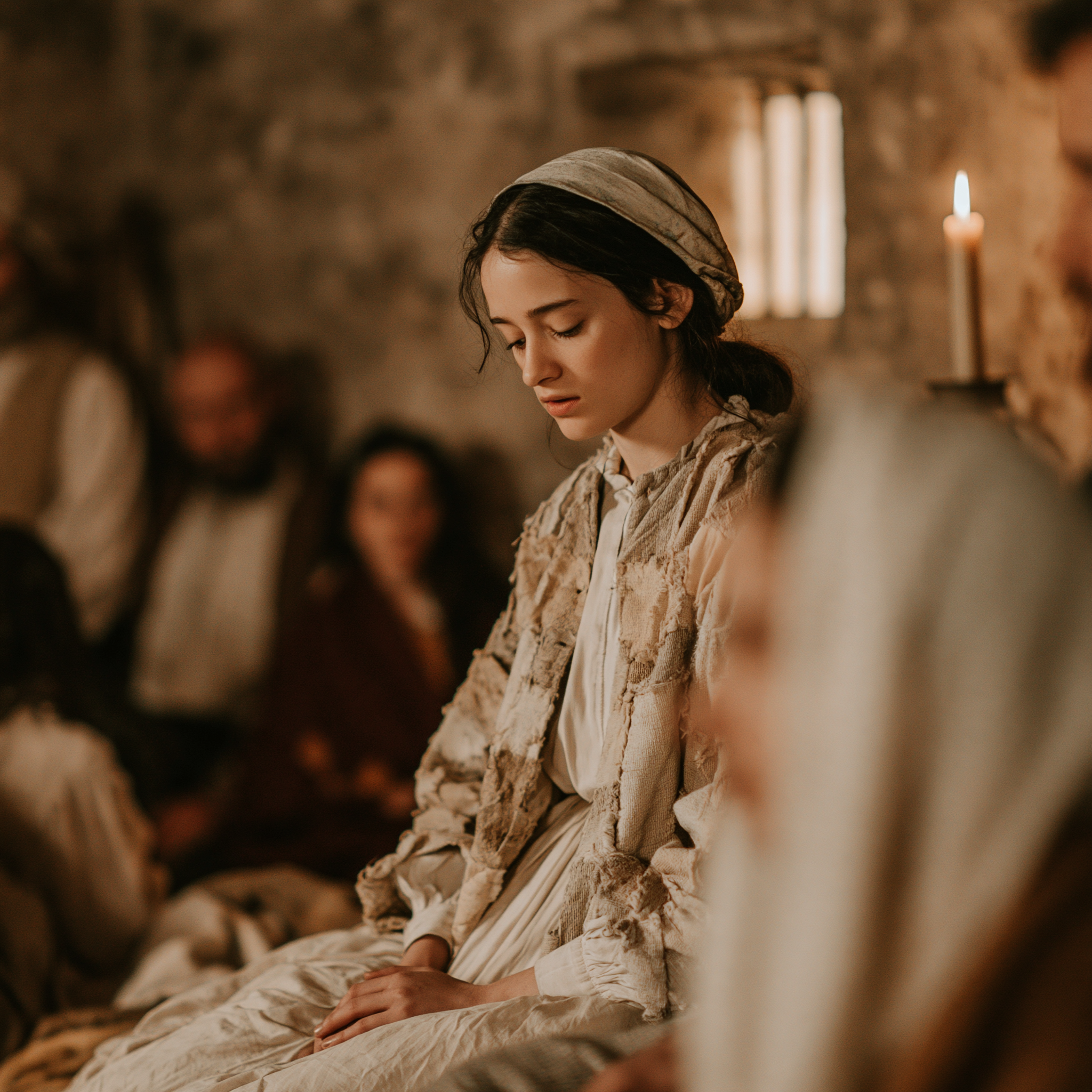
Catherine spent roughly three years afterward in intense seclusion, living an ascetic and largely solitary life of prayer within her own family's house rather than in a convent. It was during this period, traditionally dated to around 1367 or 1368, that she described her most famous mystical experience: a vision in which Christ placed a ring on her finger, invisible to everyone else but reportedly visible to her for the rest of her life, marking what her tradition has called her mystical marriage to Christ.
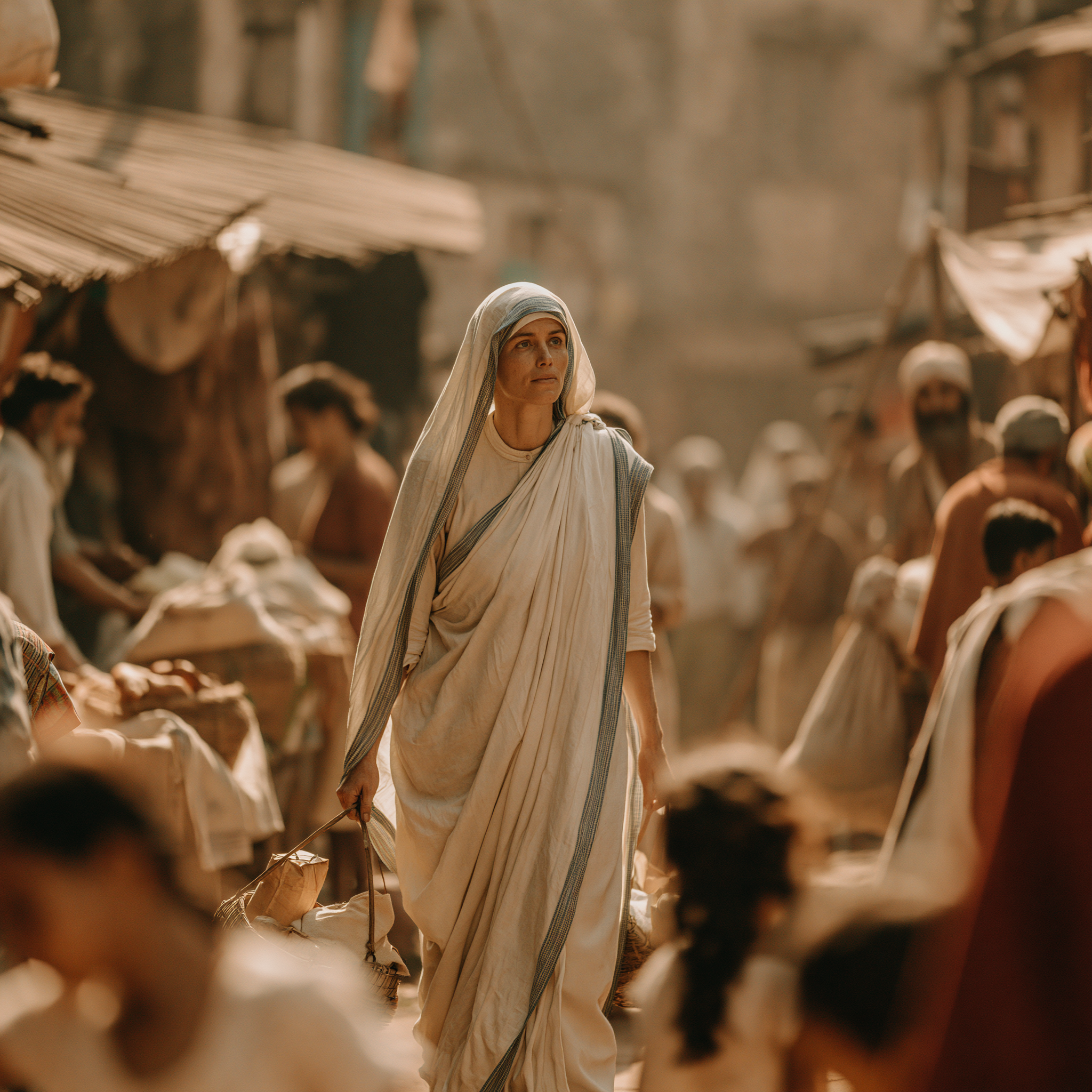
The vision marked the end of her seclusion rather than a retreat further into it. Catherine emerged from those years of solitude and threw herself immediately into public life — tending the sick and the poor, caring for plague victims and others whom the rest of Sienese society avoided, and gathering around her a circle of followers, priests and laypeople alike, who came to be known as the Caterinati.
The Avignon Crisis: How an Uneducated Laywoman Returned the Pope to Rome
Catherine's public ministry quickly extended well beyond charitable work into the highest levels of Church politics. For nearly seventy years, the popes had resided not in Rome but in Avignon, in southern France, a period the Church itself has long referred to as a kind of exile. Catherine wrote urgently and repeatedly to Pope Gregory XI, and in 1376 traveled to Avignon in person to press her case directly, arguing that the pope's proper place was Rome, the see of Peter, regardless of the political complications involved in moving it.
Gregory XI returned the papacy to Rome in January 1377. Historians debate how much weight to give Catherine's influence relative to the many other political and diplomatic pressures bearing on the decision at the same time, but her role was significant enough that it has remained central to how her life is remembered ever since — a young laywoman with no formal authority, taken seriously enough by a pope to help move the entire government of the Church back across a continent.
Holding the Church Together: Navigating the Fire of the Western Schism
Gregory XI died the following year, and the disputed election that followed produced the Western Schism — rival claimants to the papacy, one in Rome and one back in Avignon, dividing the loyalty of the Church for decades to come. Catherine threw her support firmly behind the Roman pope, Urban VI, despite his notoriously difficult temperament, writing letter after letter urging bishops, cardinals, and heads of state to recognize his legitimacy and preserve the unity of the Church.
She did not live to see the Schism resolved; it would continue for decades after her death. But her tireless correspondence during its opening years stands as one of the clearest examples in Church history of a layperson taking direct, sustained responsibility for a crisis that was, on paper, entirely outside her authority to address.
The Dialogue: Mystical Dictations and the Doctrine of the Bridge
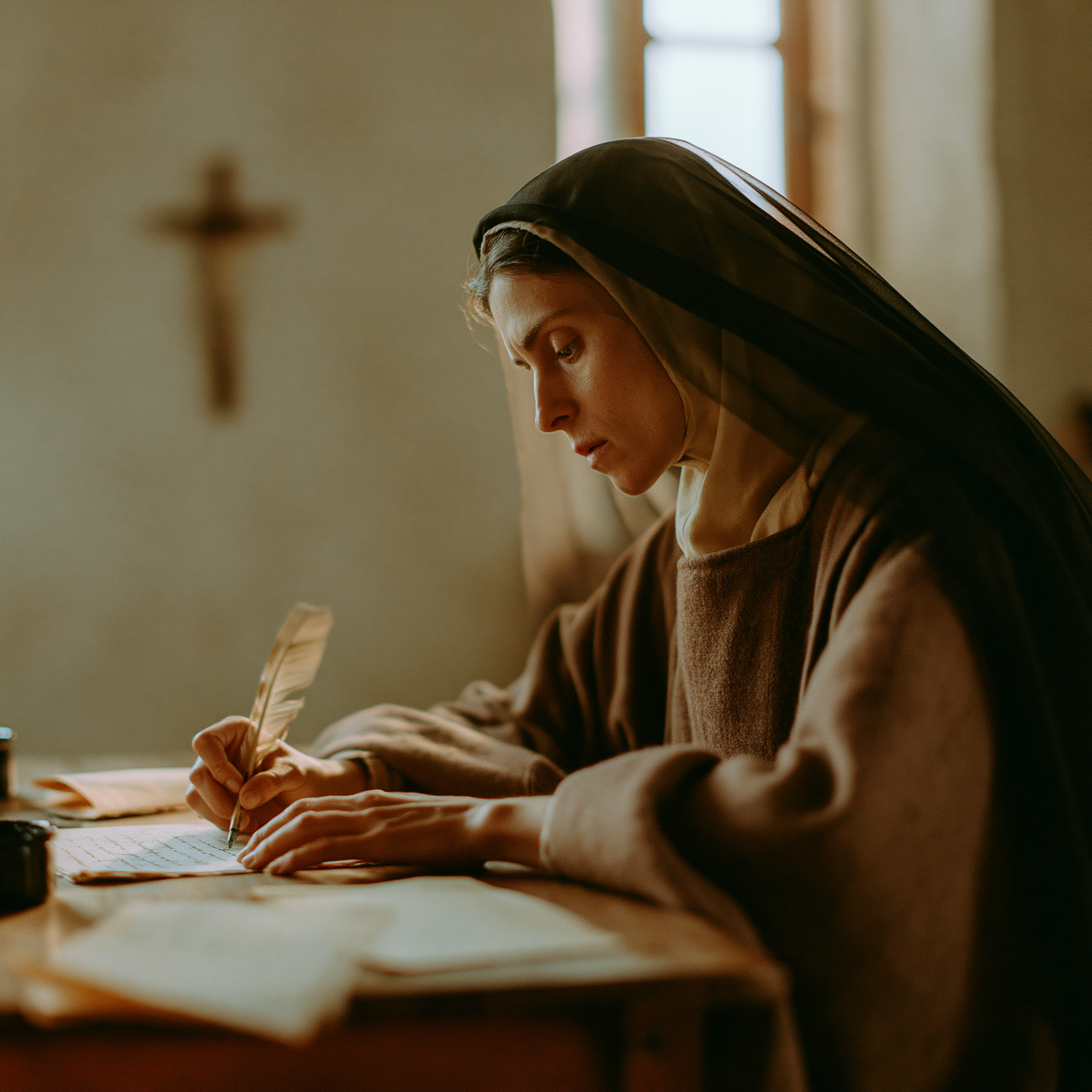
Catherine's major written work, known as The Dialogue, was dictated over several days in 1378 during a state of mystical prayer, structured as an extended conversation between a soul — Catherine herself — and God the Father, addressing themes of discernment, obedience, divine providence, and the image of Christ as a bridge spanning the gap between heaven and earth. It stands alongside her nearly four hundred surviving letters as an extraordinary body of theological and spiritual writing from a woman with little formal education who dictated most of her work rather than writing it herself.
The Catholic Perspective: Spiritual Authority Beyond Official Office
Catherine of Siena holds a unique place in Catholic tradition: a laywoman who exercised immense spiritual authority without ever holding institutional office. Understanding her legacy means looking not only at her historical impact, but at the theological and spiritual questions her life continues to raise for the Church today.
-
In 1970, Pope Paul VI declared Catherine a Doctor of the Church on the same day as Teresa of Ávila — the first time in the Church's history that a woman had received the title, and remarkably, two women received it simultaneously. The pairing recognized two very different paths to the same rare honor: Teresa's systematic writing on contemplative prayer from inside an enclosed convent, and Catherine's urgent, occasional letters and dictated dialogue, produced in the middle of an extraordinarily active public life.
-
Catherine's influence is remarkable precisely because it came with no institutional backing whatsoever — no ordination, no formal theological training, no official Church office. The Church has long pointed to her as evidence that spiritual authority, rightly discerned, does not depend on ecclesiastical rank, and that a layperson's voice, when it speaks with sufficient clarity and holiness, can carry weight all the way to the papacy itself.
-
Catherine's asceticism, including prolonged and severe fasting, concerned even those closest to her during her lifetime, and her health declined sharply in her final years. Modern historians and some medical scholars have discussed her practices in terms that raise real questions about their effect on her body, questions the Church itself has not avoided in reassessing her story with the benefit of modern medical understanding. It complicates any simply triumphant account of her short life, and it is worth naming honestly rather than passing over — sanctity, in her case, came bound up with a level of self-denial that leaves real and difficult questions in its wake.
A young laywoman with no formal authority, taken seriously enough by a pope to help move the entire government of the Church back across a continent.
Doctor of the Church: Saint Catherine’s Enduring Legacy in Western History
Catherine died in Rome in 1380 at only thirty-three, having spent barely fifteen years in active public life between her seclusion and her death, and in that short span she helped end a papal exile, defended a fractured Church through the opening of one of its worst crises, and produced a body of mystical writing still read and studied nearly seven centuries later.
She did all of it without ever holding a title the institutional Church would have recognized as authoritative on its own terms — no habit beyond a lay tertiary's, no ordination, no formal education to speak from. What she had instead was an unusual, undeniable clarity of conviction, and popes and cardinals who, however reluctantly at times, found they could not simply dismiss it. Few saints demonstrate more clearly that the Church's most consequential voices have not always come from its most obviously powerful positions.